What the West Hollywood Condo Market Is Actually Telling You Right Now
By Filippo Peisino | Founding Partner, The Condo Experts West Hollywood Division | DRE #02440449
West Hollywood is 1.9 square miles of concentrated LA personality, and its condo market is one of the most interesting — and most misunderstood — in the city right now. I've been working WeHo condos long enough to watch the cycle turn, and what I'm seeing today is a genuine opportunity for smart buyers who know what to look for. Let me break down what that actually means here.
The broader LA condo market has been correcting for the past year, and WeHo is no exception. Depending on the building, values are off anywhere from 2% to 15% from their peaks. [Roberto: please verify this range against current MLS data before publishing.] That range is not random — it's almost entirely a function of building quality. The units sitting on the market longest, the ones with repeated price cuts, are almost always in buildings with underfunded reserves, deferred maintenance, or HOA financials that haven't kept pace with rising insurance and operating costs. Meanwhile, the well-run buildings along Norma Triangle, the quieter streets off Hancock, and the newer construction near the Design District on Melrose and Robertson are holding their value because buyers who do their homework keep choosing them. The correction is real, but it's not uniform. That distinction is where opportunity lives.
Here's the thing about WeHo's condo inventory that catches buyers off guard: a significant portion of it was built in the 1960s and 1970s. These buildings can be genuinely appealing — larger floor plans, plaster walls, vintage character — but they're also entering the age range where roofs, plumbing stacks, balconies, and elevators need to be either repaired or replaced. California's SB-326 now requires HOAs with wood-framed exterior elevated elements to complete structural inspections and fold the findings into their reserve study. The first inspection cycle closed out January 1, 2025. Some buildings in WeHo handled this proactively. Others didn't, and those are the ones where surprise assessments are going to hit owners in the next few years. Before you fall in love with a unit on Kings Road or Larrabee, I want to see the reserve study and the last two years of HOA financials. That paperwork tells you more about your future ownership costs than anything else.
On the pricing side, WeHo condos today are running roughly $650,000 to $850,000 for a solid one-bedroom in an older building, and $900,000 to $1.4 million or more for two-bedroom units in newer or well-located buildings — particularly anything on the Sunset Strip side or with views. Townhomes with private entries, which trade at a premium in WeHo because they feel closer to single-family ownership, are regularly clearing $1.2 million and up in the right locations. HOA dues typically land between $400 and $750 a month for most mid-rise buildings, though amenity-heavy or high-rise buildings can run higher. Those dues aren't a number to minimize — they're a signal. A building charging $350 a month when comparable buildings are charging $600 isn't running lean; it's running behind.
One thing I always check in WeHo specifically is parking. In most of LA, parking is an afterthought. In WeHo, it's a resale variable. Older buildings sometimes provide only one deeded space even for a two-bedroom unit, and the difference between deeded and assigned parking matters — assigned can be reallocated by the HOA, deeded cannot. Walk Score matters too, and WeHo genuinely delivers on it. But buyers relocating here who think they'll get by without a car still want their second parking space to have value when they sell.
The buyers winning in this market are the ones who stopped letting the monthly payment be their only filter. I'd be cautious about buying on the assumption you'll refinance at a lower rate later — what matters is whether the total cost of ownership works today: mortgage, HOA, insurance, and a realistic estimate of future assessments. When those numbers work on a building that's financially healthy, you're not just getting into WeHo at a relative discount. You're buying something that will hold its value as the market stabilizes, because the buildings that are well-run in a correction are the same ones that lead the recovery.
If you're looking at condos or townhomes in West Hollywood and want a second set of eyes on a building's financials before you write an offer, reach out. I pull reserve studies and HOA financials before my clients go into contract — not after — and that's the difference between buying into a building positioned for value and one that's quietly becoming a liability.
Call (310) 997-0193 or visit condosalesexperts.com/contact.
FREQUENTLY ASKED — BUYING A CONDO IN WEST HOLLYWOOD
It depends on the building. WeHo values have corrected 2–15% from their peaks, but that range is almost entirely a function of building health — not neighborhood weakness. Well-run buildings are holding value. Buildings with underfunded reserves or deferred maintenance are where the discounts are, and not all of those discounts are opportunities. Knowing the difference requires looking at the financials, not just the unit.
Most mid-rise buildings in WeHo run between $400 and $750 a month. Amenity-heavy or high-rise buildings can run higher. A dues number that looks low relative to comparable buildings isn't a selling point — it's often a sign the building is underfunding reserves, which shows up later as a special assessment.
Start with the reserve study and the last two years of HOA financials. A lot of WeHo's inventory was built in the 1960s and 1970s, which means roofs, plumbing stacks, balconies, and elevators are at or approaching replacement age. California's SB-326 required structural inspections of wood-framed elevated elements — buildings that handled this proactively are in a different position than those that didn't.
More than most buyers expect. Older buildings sometimes only provide one deeded space even for a two-bedroom unit. The difference between deeded and assigned parking also matters — assigned parking can be reallocated by the HOA, deeded cannot. It's a resale variable worth confirming before you go into contract.
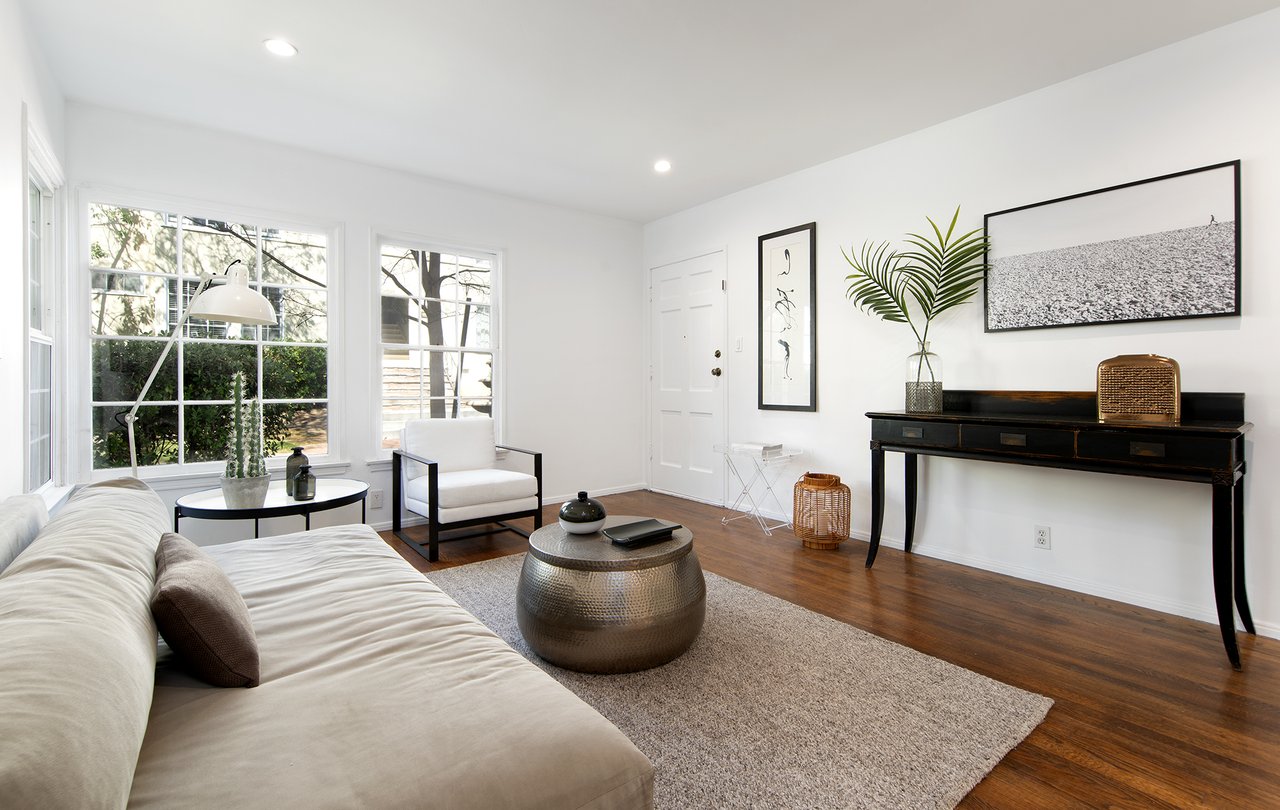
Why getting bank underwriting before listing protects LA condo values under Fannie Mae’s 2027 reserve and lending rules.
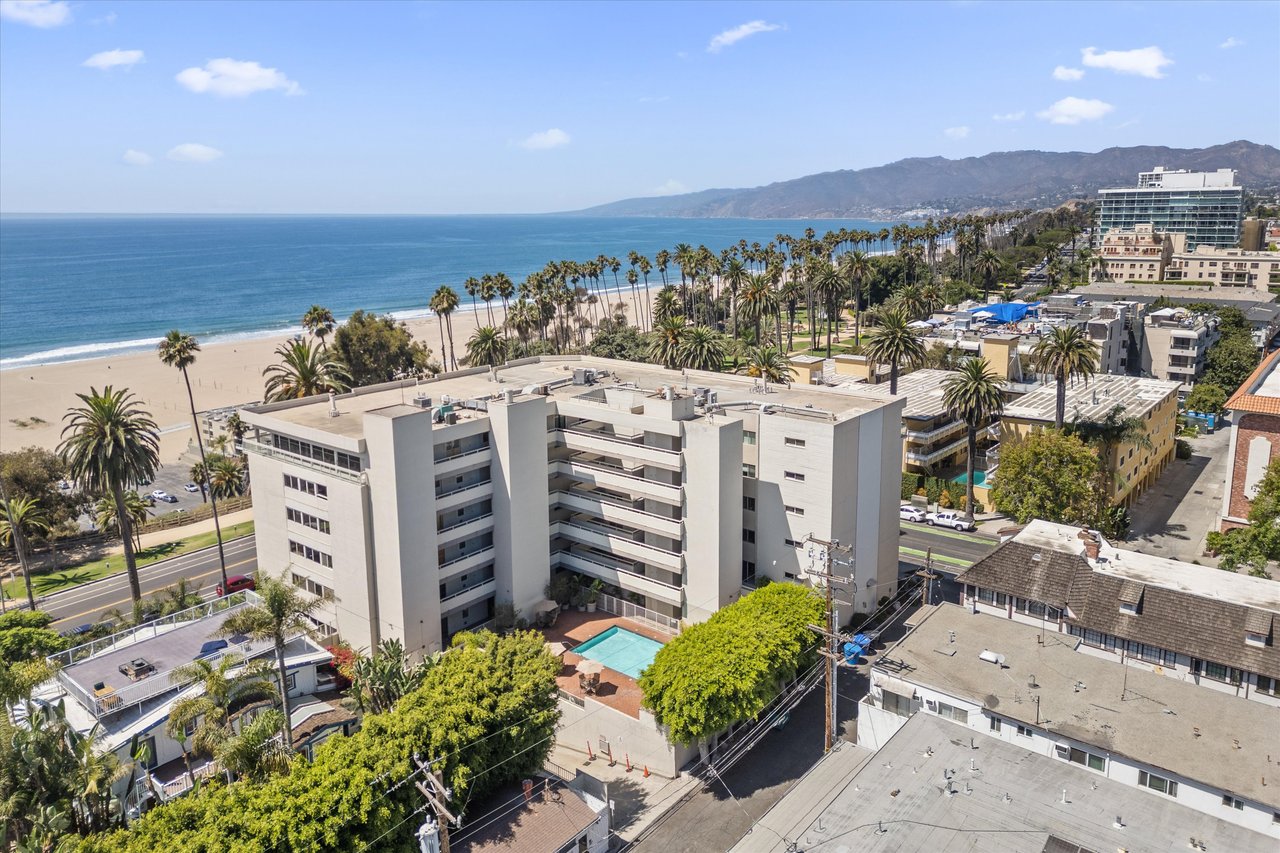
With Fannie Mae retiring Limited Review and raising HOA reserve rules to 15% in 2027, broker Brian Maser outlines why buildings must be vetted and standardized before … Read more
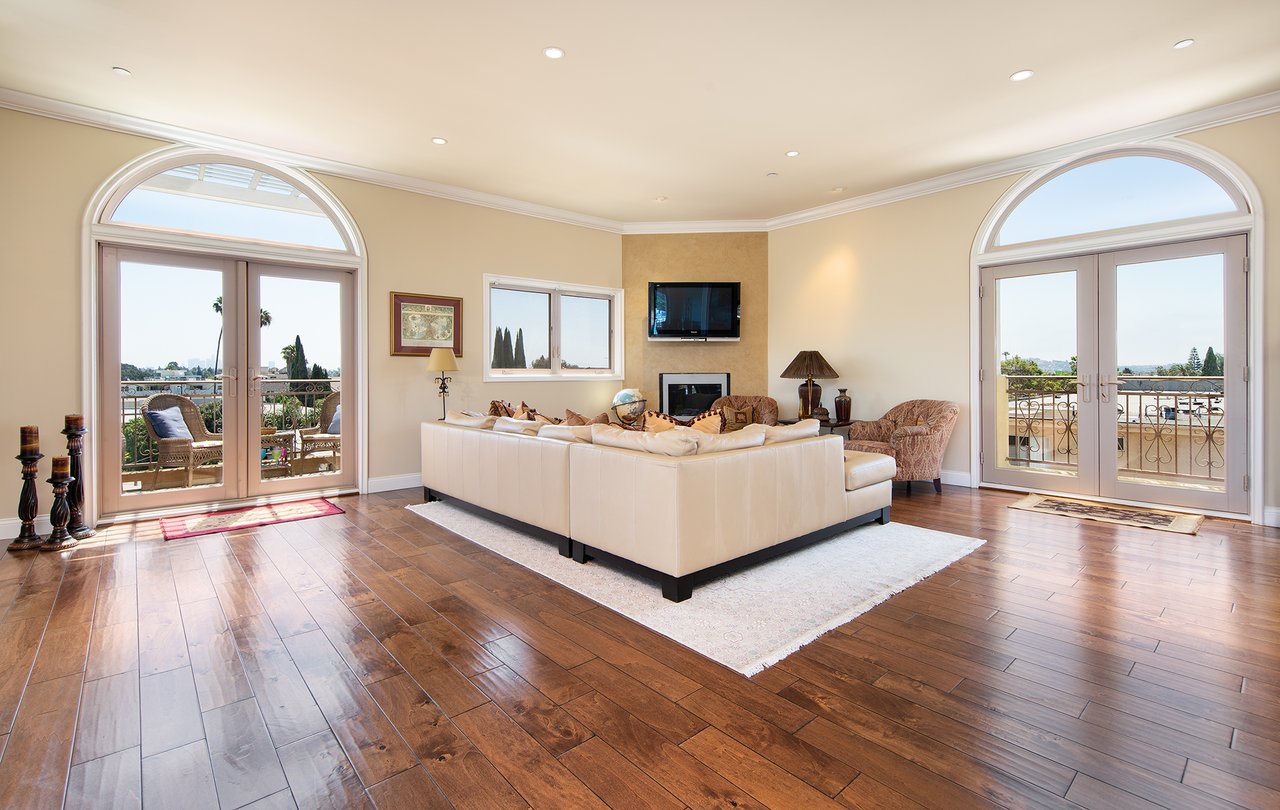
Use this step-by-step cash flow formula to compare selling, renting, and holding your Los Angeles condo—and see why HOA lending rules dictate your true market value.
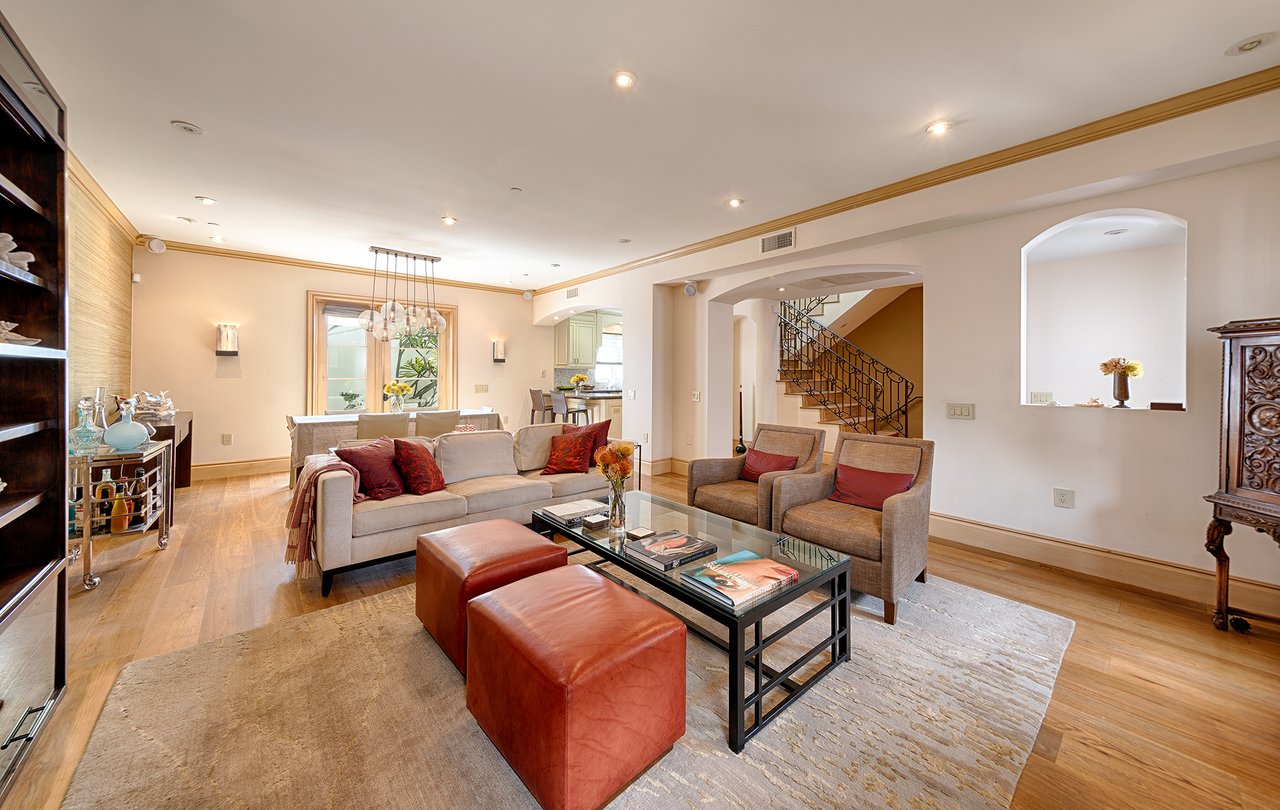
How to verify warrantability under new Fannie Mae and Freddie Mac rules before escrow falls apart.
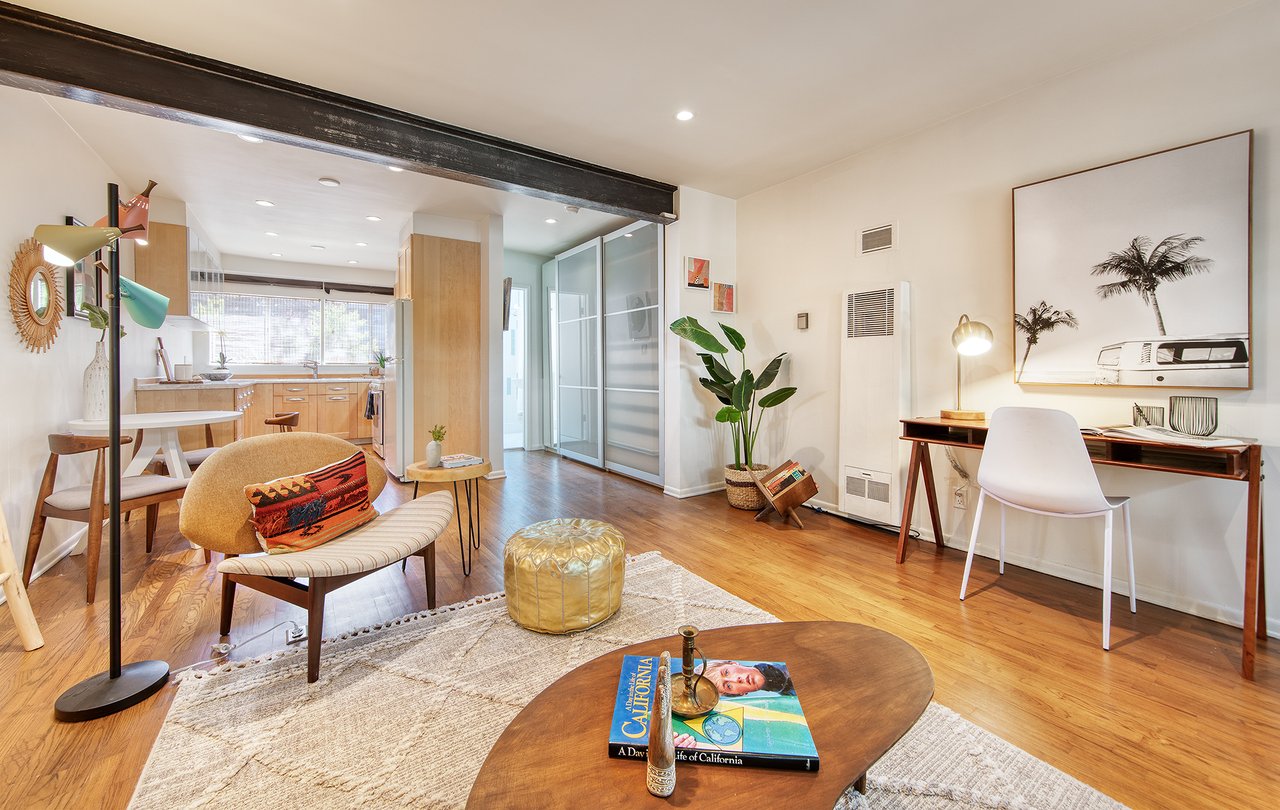
How deep HOA expertise, proactive underwriting, and sheer persistence rescued a Redondo Beach condo sale from cancellation.
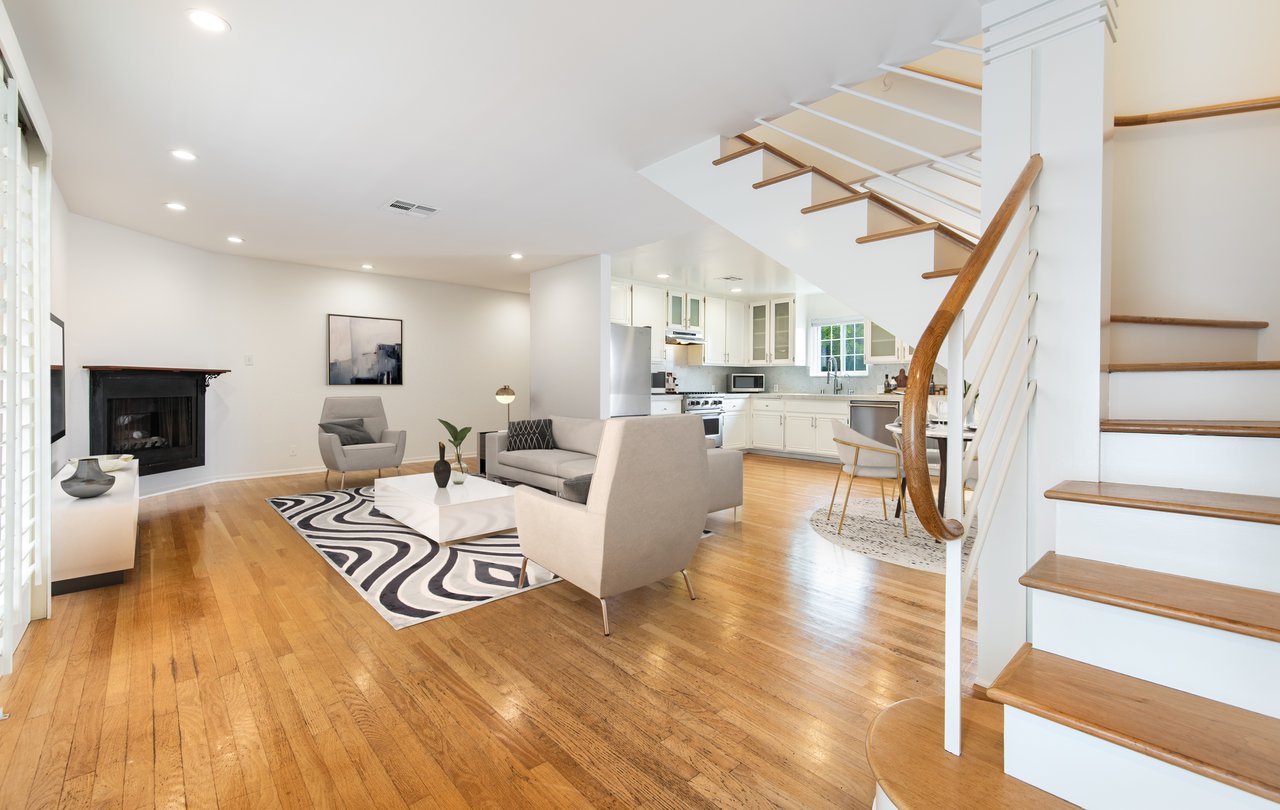
Fannie Mae's new 15% HOA reserve requirement applies by loan application date, not closing date. What condo and townhome owners need to know in the next ten weeks.
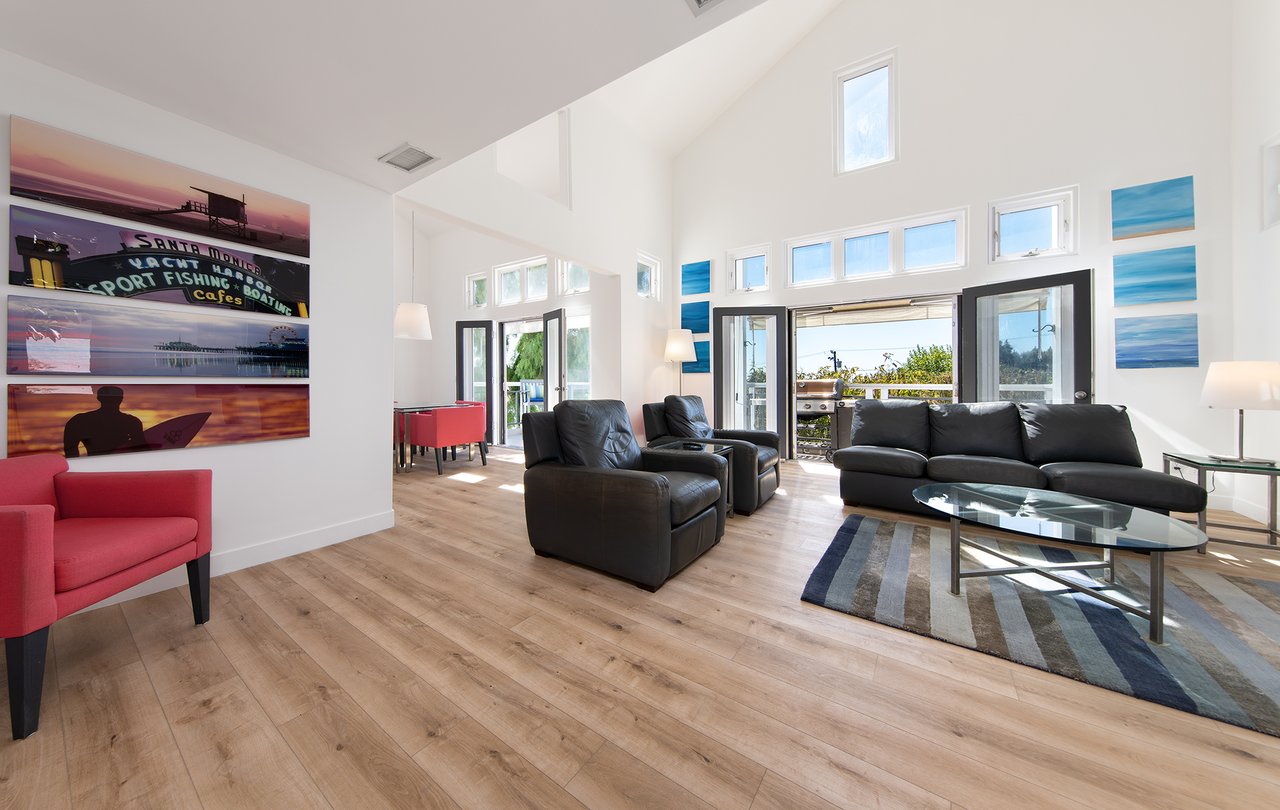
Evaluating cash flow, assessment risks, and lender guidelines to make the right move in the Los Angeles condo market.
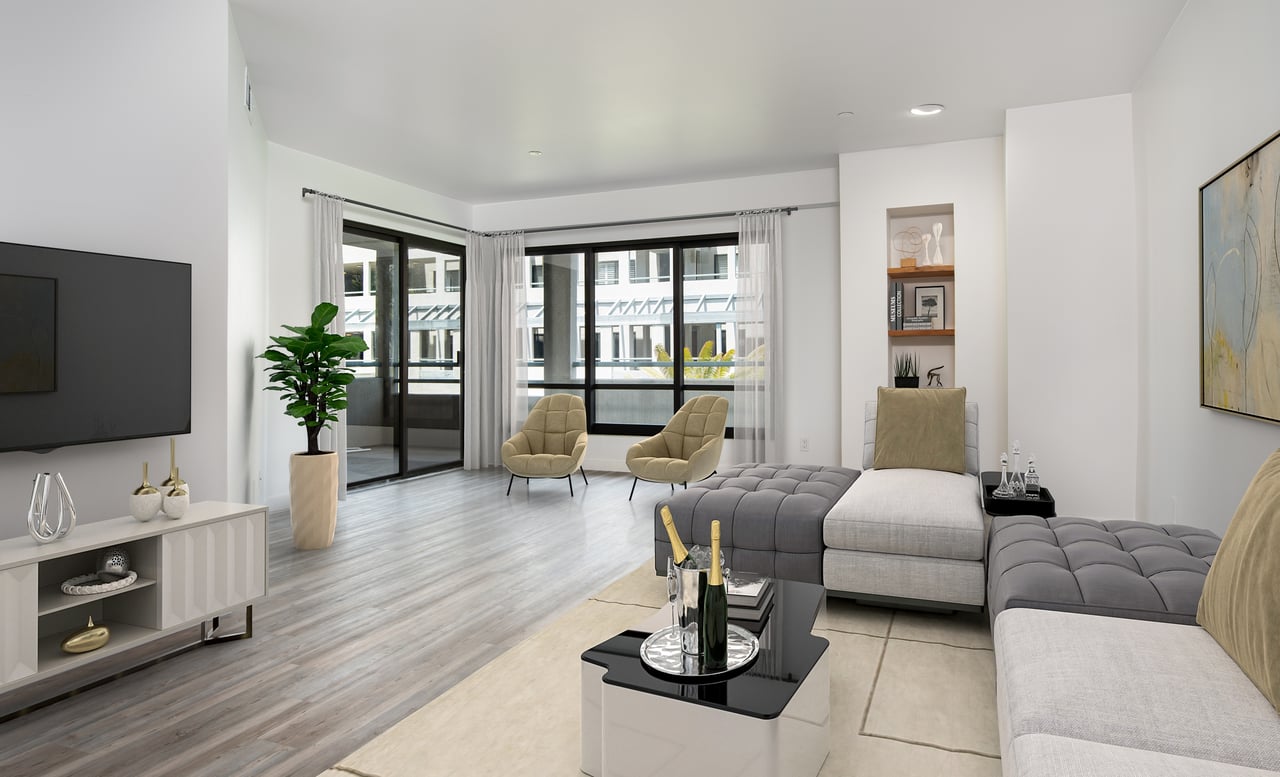
Lender tightening, non-warrantable risks, and reserve rules—what Los Angeles condo owners must do now to protect property values.
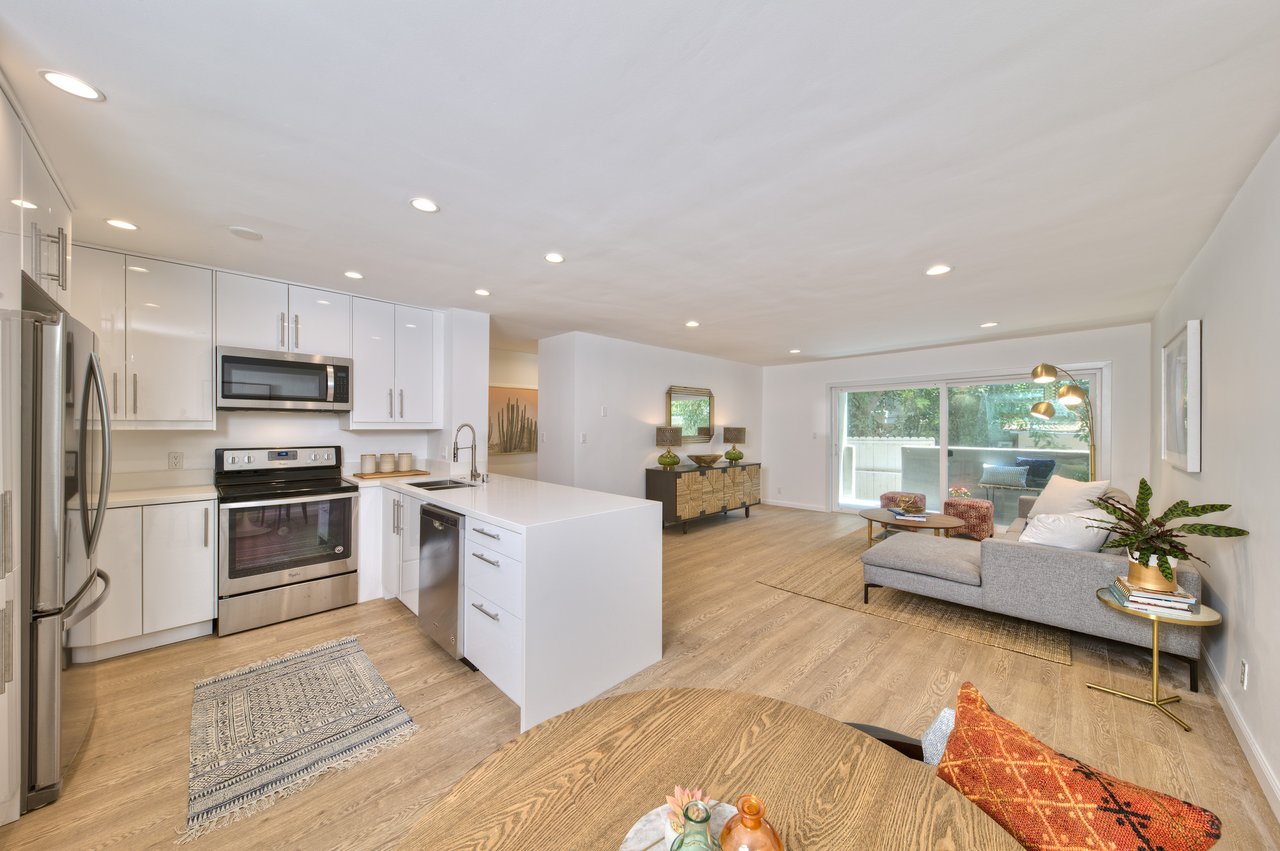
Exceptional condos are setting records. Good condos are getting cut. The difference is how much the buyer knows.
You’ve got questions and we can’t wait to answer them.
Get in Touch With Our Team
The Condo Experts
[email protected]
(310) 494-2979
Brian Maser | CA DRE# 1340306
2525 Main St #106
Santa Monica CA 90405