Reactive Is Finding Out During A Sale. Proactive Is Knowing Now.

This month, owners in a 499-unit Torrance condo complex found out what a neglected building actually costs: a special assessment of more than $49,000 per unit. Homeowners have filed a lawsuit against their own board and are pushing a recall. Stories like this are becoming a pattern across Los Angeles, not an exception, and we expect more of them as lending standards keep tightening. We've been tracking this in our own markets since August 3.
There are two ways to find out where your building actually stands. The reactive way is finding out during a sale, when a buyer's lender flags something and the deal slows down or falls apart. Or during a refinance, when an owner suddenly can't close because the building itself doesn't qualify, through no fault of their own. Either way, you find out at the worst possible time, on someone else's timeline. The proactive way is knowing in advance, on your own terms, before it costs anyone anything.
Here's what being proactive actually looks like, whether you own one unit or sit on your board:
Review your operating budget and identify room to direct more toward reserves, rather than finding out later that reserves were never the priority.
Make sure the people in your building actually understand how these changes affect their value. Not just the board. Everyone. Confusion is what turns a fixable problem into a lawsuit.
Identify which local, city, and state regulations your building may not currently meet. Compliance isn't just a lending question — it's a legal one too.
Review your latest reserve study, or get a new one if yours is out of date, and pay close attention to what's due in the next five years specifically. That's the window that actually matters for lending eligibility and for planning.
Use a tool like Condo NAV to see whether your building would pass Fannie Mae's requirements today, before a unit ever comes up for sale. Through condonav.com, you can upload your building's documents and get a clear baseline read against those requirements — the bare minimum every building needs to meet so owners can sell my condo or refinance without issues. For the full breakdown of what Fannie Mae now requires by building size, our complete lending rules guide is here.
Here's the part worth paying attention to. In the deals we're seeing right now across Westside Los Angeles and the South Bay, buildings that are compliant and well-funded are commanding a real premium over the ones that aren't — in some cases 15% to 30%. That gap is only going to get more visible as more stories like Torrance hit the news and more buyers start asking the question before they ever write an offer.
Ready to know where your building stands? Get your baseline read at CondoNav.
The good news is that being proactive doesn't require guesswork anymore. There's a clear, guided way to find out exactly where you stand, and exactly what to do next if you don't like the answer. Reactive owners find out when they go to sell a condo. Proactive owners already know.
Get your building's baseline read at condonav.com · See how we prepare sellers. · Or call (310) 494-2979.
— Brian Maser, The Condo Experts
Location and finishes used to dictate condo value. In today’s market, buyer financing, HOA health, and pre-packaged preparation control the sale.
Why Traditional Real Estate Strategy Fails Condo Sellers—and How The Pre-Packaged Condo Sale™ Keeps You in Control.
For most real estate agents and brokerages across Los Angeles, condos are a side business, a handful of deals a year, alongside single-family homes, land, and everythi… Read more

From hidden HOA costs and reserve funds to neighborhood micro-markets, here is what out-of-town buyers need to know before making an offer in WeHo.
Don't wait for a sale or refinance to discover your building is non-compliant—how proactive condo boards and owners prevent surprise $49K assessments.
Lending shifts, rate pressures, and real market strategy—how 25 years of expertise and pre-lending reviews help your Los Angeles condo succeed.
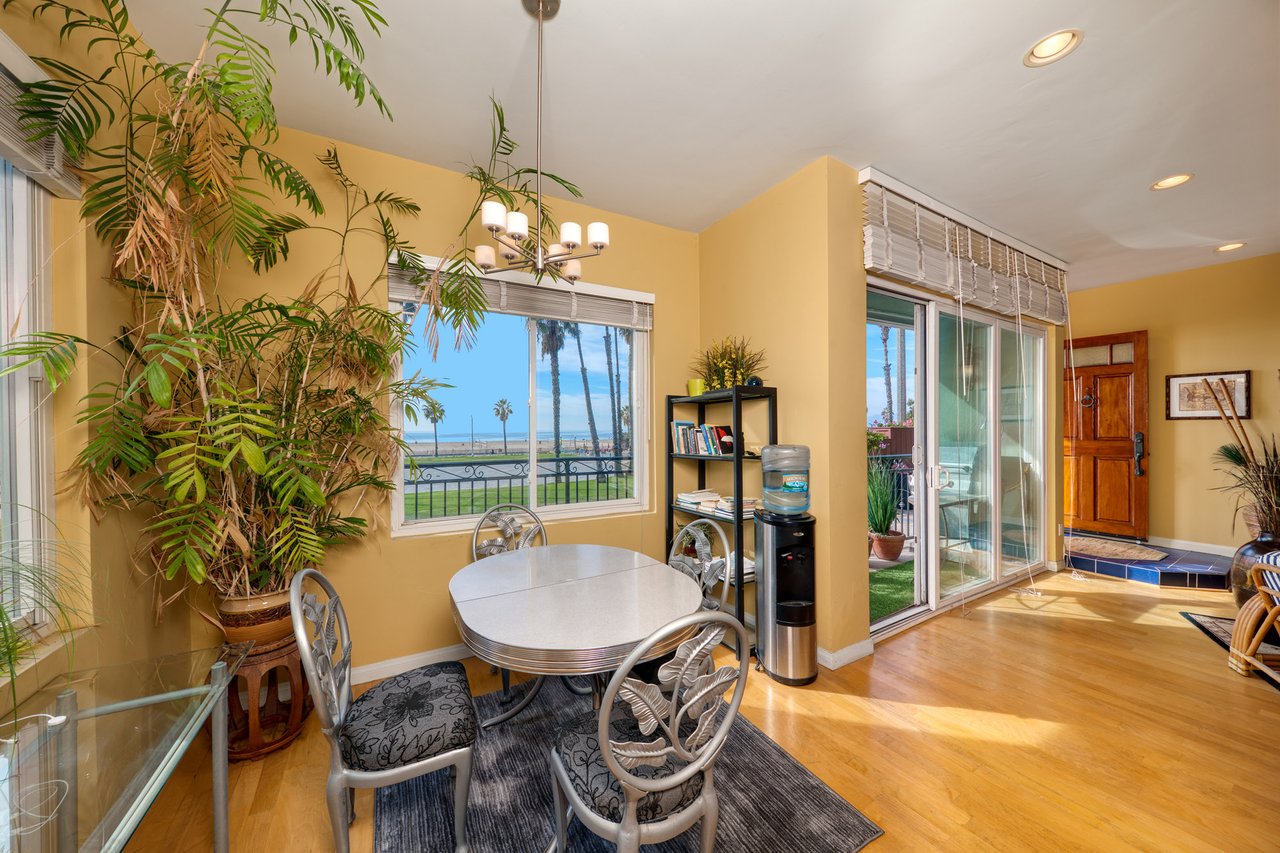
One week later, condo owners and HOA boards are seeing the new lending rules play out in real time — and the impact on financing, sales, and property values is becomin… Read more
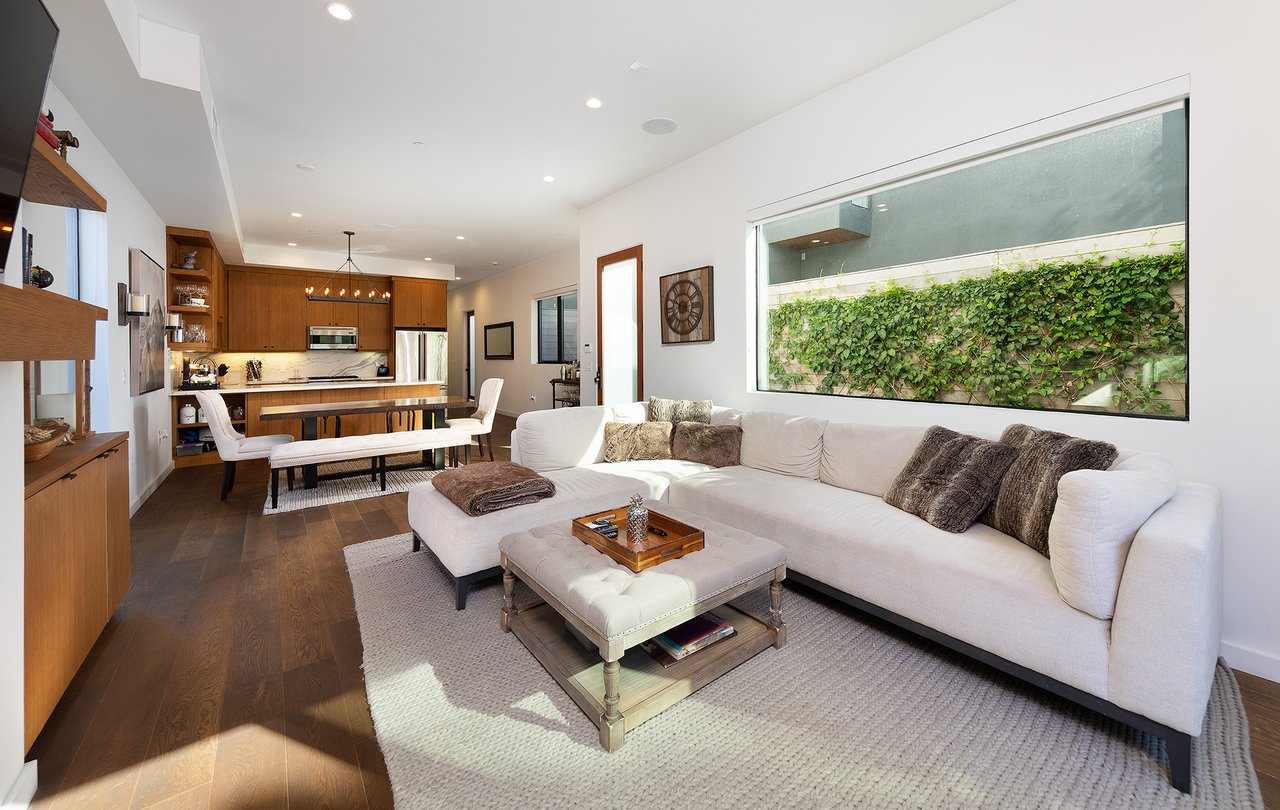
How new condo lending standards impact your property value—and how to check your building's warrantability before listing

West Hollywood packs an outsized amount of personality into 1.9 square miles. If you're relocating here, chances are a condo is on your shortlist. It's one of the most… Read more
You’ve got questions and we can’t wait to answer them.
Get in Touch With Our Team

The Condo Experts
[email protected]
(310) 494-2979
Brian Maser | CA DRE# 1340306
2525 Main St #106
Santa Monica CA 90405