The 2026 Condo Lending Rules, Explained: A Complete Guide for Buildings Over and Under 10 Units
For months, we've been telling condo and townhome owners a major change in how condos get financed was coming. As of August 3, 2026, it's no longer coming. It's here. We're not saying that to say "we told you so." We're saying it because there's a lot of confusion right now, most of the coverage is incomplete, and almost no one is explaining what these rules actually mean for smaller buildings. So this is the plain-English guide we wish existed. Read the part that fits your building.
WHAT CHANGED, AND WHEN?
On March 18, 2026, Fannie Mae and Freddie Mac — the government-backed entities that buy most conventional mortgages — issued matching rule changes for condominiums. Two dates matter:
August 3, 2026 (now in effect): the "Limited Review" shortcut was eliminated for larger condo buildings. Most condo purchases now require a "Full Review" of the building itself before a buyer's loan can close.
January 4, 2027 (coming): the minimum reserve funding requirement rises from 10% to 15% of a building's annual operating budget — with an important exception explained below.
WHY DO THESE RULES AFFECT MY BUILDING IF I'M NOT THE ONE BUYING?
This is the single most important thing to understand, and it applies to everyone. When someone applies for a conventional loan to buy a condo, the lender doesn't just evaluate the buyer. They evaluate the building. The association's finances, reserves, insurance, and paperwork all get judged. If the building meets the standards, it's called "warrantable," and buyers can get normal financing. If it fails, it's "non-warrantable," and buyers there can't use standard conventional loans. They're pushed to cash, or to portfolio loans with higher rates and bigger down payments.
Here's why that matters to you as an owner even if you never plan to move: when your building becomes hard to finance, the pool of people who can buy any unit in it shrinks. Fewer eligible buyers means less competition, and less competition eventually pressures value. That's not a doomsday prediction. It's simple arithmetic. The health of your building is now directly tied to what your unit is worth.
WHAT IS "WARRANTABLE" VS "NON-WARRANTABLE"?
Warrantable means the building meets Fannie Mae and Freddie Mac standards, so buyers can get conventional financing. Non-warrantable means it doesn't, so conventional financing isn't available in that building. A building can become non-warrantable for things like inadequate reserves, an insurance gap, too many units owned by one entity, significant deferred maintenance, or ongoing litigation. The frustrating part for owners: a building can fail on a single criterion, and that's enough to affect financing for everyone in it.
FOR BUILDINGS WITH MORE THAN 10 UNITS
DOES THE FULL REVIEW APPLY TO ME?
Yes. If your building has more than 10 units, the August 3 change hits you directly. The Limited Review shortcut is gone, so every buyer's lender now conducts a Full Review of your association: its budget, reserves, insurance coverage, delinquency rates, any litigation, and its governing documents. This means more paperwork, longer timelines, and more chances for a problem to surface mid-escrow.
DO I HAVE TO FUND RESERVES AT 15%?
Starting January 4, 2027, yes — buildings going through Full Review must generally show reserve funding of at least 15% of the annual budget, up from the old 10% floor. There is one important exception: if your association has a reserve study completed within the last three years and your budget funds reserves to the level that study recommends, you can satisfy the requirement that way instead. Note that "baseline funding" alone no longer counts. The old shortcut of simply setting aside 10% and stopping is going away.
WHAT HAPPENS IF MY BUILDING FALLS SHORT?
If a Full Review turns up a disqualifying problem — thin reserves, an insurance deficiency, an unresolved structural issue — the building can be classified non-warrantable, and standard conventional financing dries up for every owner trying to sell, refinance, or take out a home equity loan. For a mid-rise or larger complex, this is the moment to know precisely where you stand, because fixing these things takes time you want to have before a buyer's lender forces the issue.
FOR BUILDINGS WITH 10 UNITS OR FEWER
AM I EXEMPT FROM ALL THIS BECAUSE MY BUILDING IS SMALL?
Partly — and this is the part almost no one explains correctly. Buildings with 10 or fewer units may qualify for a "Waiver of Project Review," which lets a lender skip the deep, document-heavy Full Review. For a genuinely small, standalone building, that's a real advantage — and it describes a large share of the boutique condo and townhome buildings across Santa Monica, Venice, the beach cities, and much of the South Bay and Westside. If you're in a small building with its own single HOA, one building, and no shared amenities tying you to a bigger community, you're very likely in this simpler category.
WHAT COULD DISQUALIFY MY SMALL BUILDING FROM THE WAIVER?
One main thing to confirm: that your building truly stands on its own. If your 5-to-10 unit building is actually part of a master association that governs multiple buildings, or is one phase of a larger development, then the rules look at that bigger entity. The small-building waiver doesn't apply. In plain terms: if your little building shares a master HOA, a pool, gates, or common areas with a larger community, or was built as "Phase 2" of something bigger, you may not get the break. If it's a single standalone association, you're on solid ground. This is a document question, not something you can eyeball. It lives in your CC&Rs and recorded condo plan.
IF I QUALIFY FOR THE WAIVER, DO I STILL NEED 15% RESERVES?
Generally, the 15% reserve test lives inside the Full Review — so if your building qualifies for the waiver and the lender skips that review, you're typically not measured against the 15% threshold the way a larger building is. But don't read that as "reserves don't matter." A building with visibly weak reserves or obvious deferred maintenance can still get flagged, and a lender can always decline the streamlined path and look closer. The waiver may spare you the formal test; it doesn't spare you from needing a financially sound building.
DO THE INSURANCE RULES STILL APPLY TO MY SMALL BUILDING?
Yes. Insurance requirements are largely a separate track from the project-review shortcut, so they still apply regardless of building size. Your master policy still needs adequate replacement-cost coverage, acceptable deductibles, and the right liability and — where applicable — flood coverage. A small, waiver-eligible building can still have a loan fall apart over an insurance gap. This is the piece small-building owners most often overlook.
WHAT APPLIES TO EVERYONE, REGARDLESS OF SIZE?
A few things cut across both groups. Insurance adequacy matters for every building. A lender can always choose to dig deeper than the minimum, applying their own stricter overlays. The retirement of the old 50%-investor-concentration cap (as of March 18, 2026) helps some buildings, though a single entity still can't own more than 20% of units in a project of 21 or more. And in all cases, the earlier you understand your building's standing, the more options you have — because nearly every one of these issues is fixable with enough lead time, and nearly impossible to fix once a deal is already on the table.
WHAT ABOUT HERE IN LOS ANGELES SPECIFICALLY?
Nationally, the strain is real: according to ATTOM data reported by the Wall Street Journal, HOA foreclosure filings rose nearly 40% in early 2026, and according to data from Benutech and Association Reserves, roughly three in four associations don't hold enough in reserves to cover their own repairs. California has more guardrails than most states — reserve requirements, balcony and structural inspection laws (SB 326 and SB 721), and a cap limiting how much an association can specially assess in a single year without a member vote — so we are not seeing the extreme, six-figure assessment situations that have hit places like Florida. But the lending changes are federal, so they apply here in full, and the direction is clear. These rules are trickling in, not slamming down all at once, and the system will take years to fully settle. That long tail is exactly why getting ahead of it beats reacting to it.
WHAT SHOULD I DO NOW?
Find out where your building actually stands — before a buyer's lender does it for you.
Find out where your building stands before a buyer's lender does. Let's talk.
Here's the honest reason we're publishing this and reaching out: we're not just reporting this change, we're building the response to it. We're working with community and national lenders, with insurance carriers, with HOA boards, and with management companies to get ahead of this process and create real solutions for the owners and buildings caught in it.
And we want to hear from you. If you're an owner, a board member, or a buyer with concerns about what this means for you, tell us. The more we understand what the market is genuinely worried about, the better we can build the help that's actually needed — and the sooner we can tell you exactly where your building stands.
Tell us your concerns, or find out where your building stands.
Or call us directly: (310) 494-2979
This guide is published by Brian Maser and The Condo Experts — 25 years, $1B+ sold, specialists in condos and townhomes only. It's general information, not legal or lending advice; your lender partner's review of your specific building is what confirms its status. condosalesexperts.com
Exceptional condos are setting records. Good condos are getting cut. The difference is how much the buyer knows.
How stricter lending standards, reserve rules, and building warrantability are impacting Los Angeles condo sales and property values.
From SB-326 compliance to HOA reserve health—why building quality dictates condo values across West Hollywood right now.
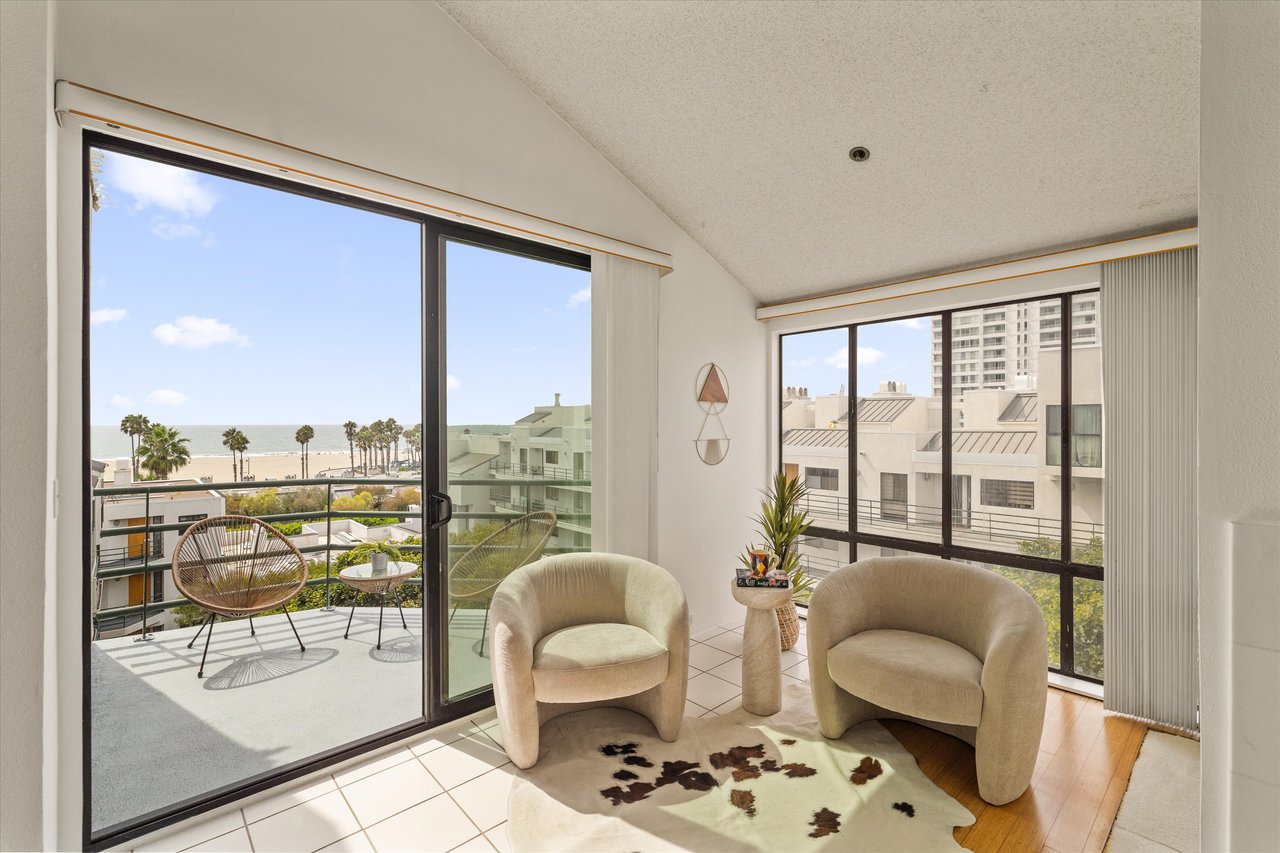
Location and finishes used to dictate condo value. In today’s market, buyer financing, HOA health, and pre-packaged preparation control the sale.

Why Traditional Real Estate Strategy Fails Condo Sellers—and How The Pre-Packaged Condo Sale™ Keeps You in Control.
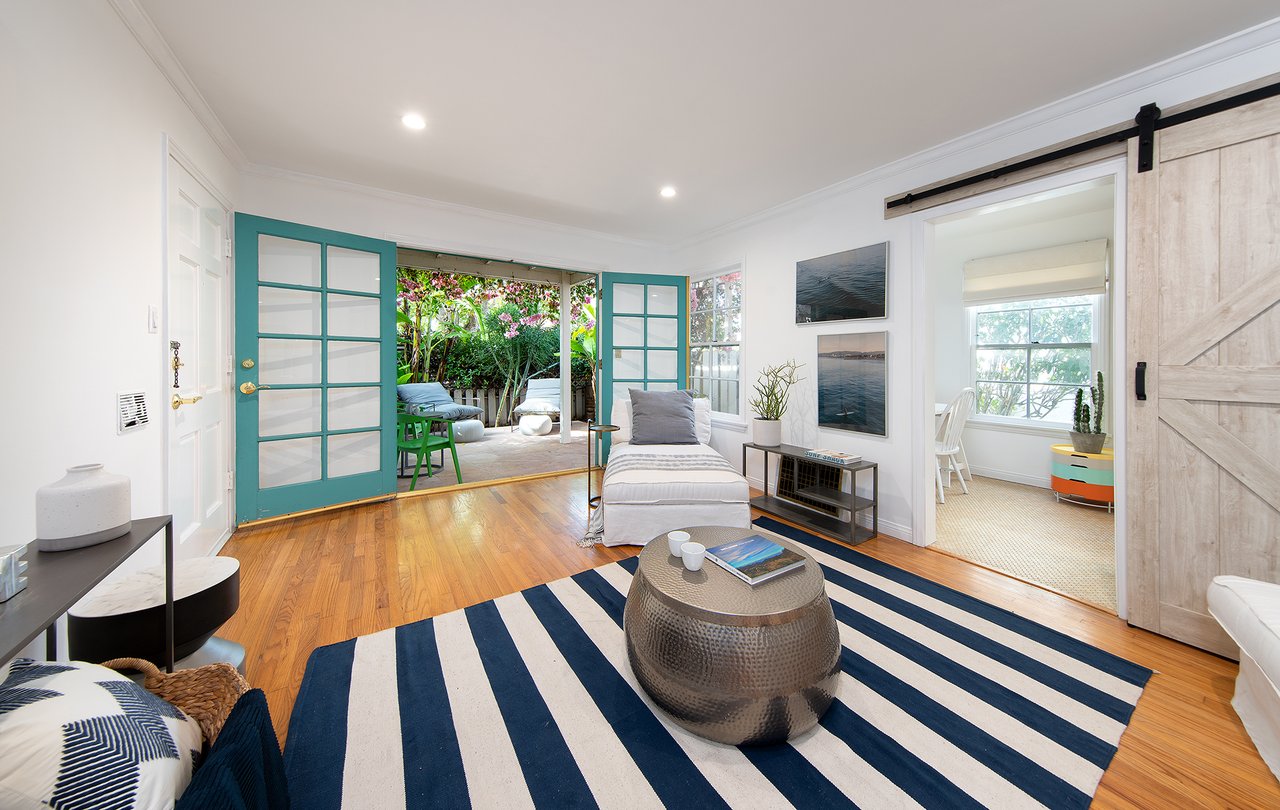
For most real estate agents and brokerages across Los Angeles, condos are a side business, a handful of deals a year, alongside single-family homes, land, and everythi… Read more

From hidden HOA costs and reserve funds to neighborhood micro-markets, here is what out-of-town buyers need to know before making an offer in WeHo.

Don't wait for a sale or refinance to discover your building is non-compliant—how proactive condo boards and owners prevent surprise $49K assessments.
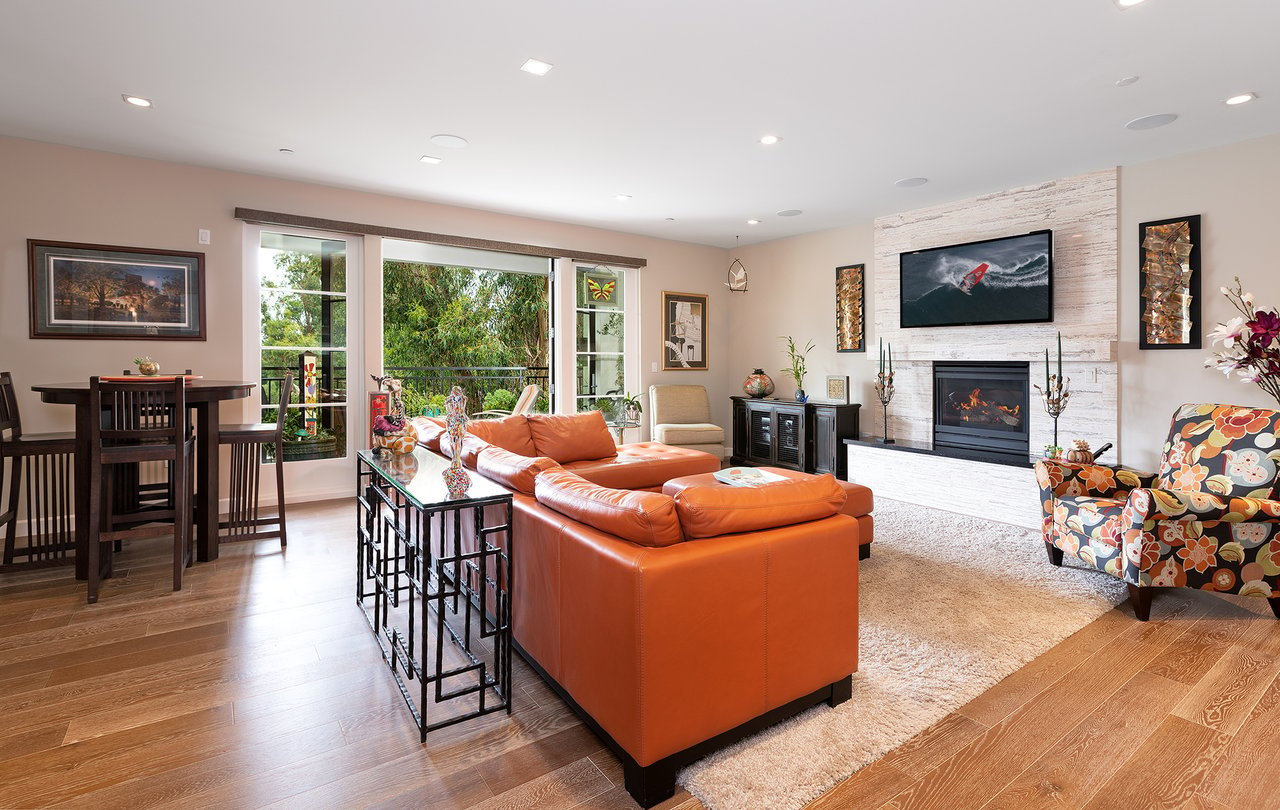
Lending shifts, rate pressures, and real market strategy—how 25 years of expertise and pre-lending reviews help your Los Angeles condo succeed.
You’ve got questions and we can’t wait to answer them.
Get in Touch With Our Team

The Condo Experts
[email protected]
(310) 494-2979
Brian Maser | CA DRE# 1340306
2525 Main St #106
Santa Monica CA 90405