Rates Just Crossed 7%. We've Done This Before.
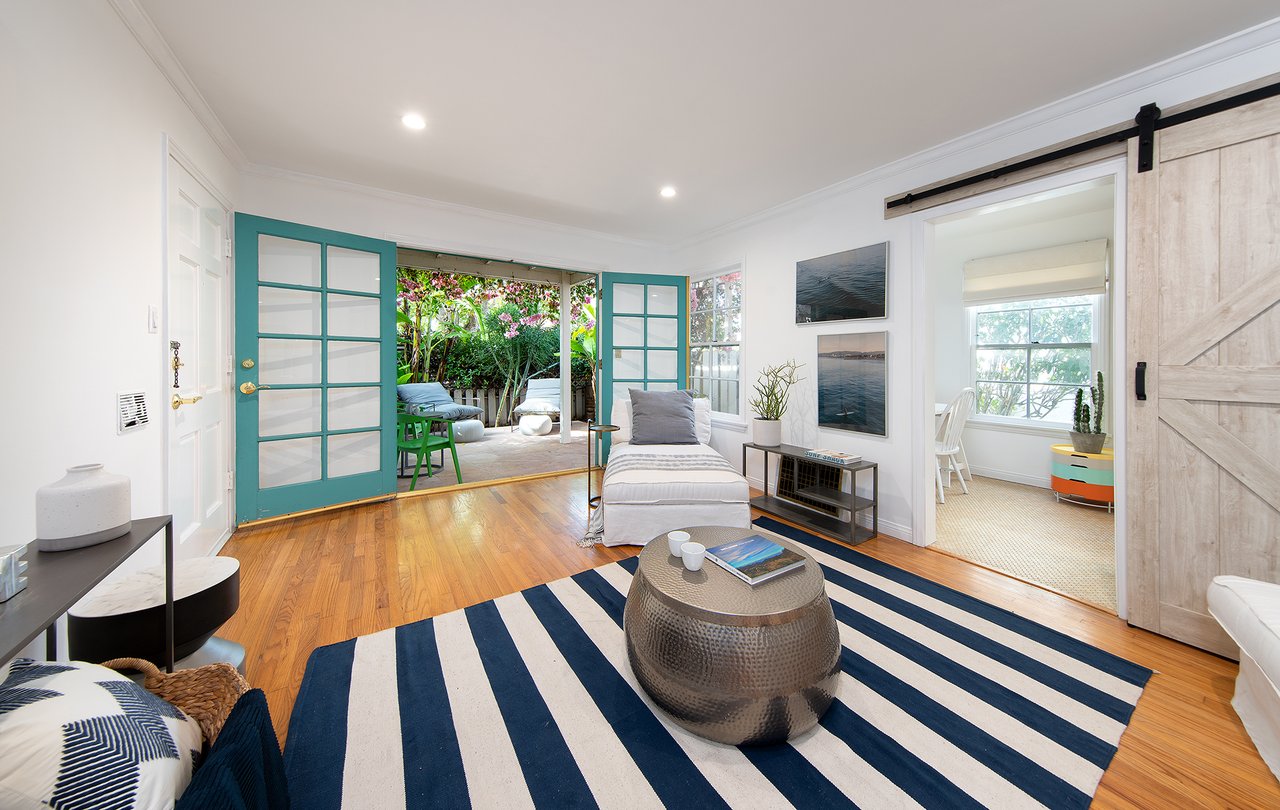
For most real estate agents and brokerages across Los Angeles, condos are a side business, a handful of deals a year, alongside single-family homes, land, and everything else. For us, condos are the whole business. We live in this market, every building, every HOA, every lending change, all day, every day. That's not a marketing line. It's the reason we saw this year's shift coming before almost anyone else did.
The first two quarters of 2026 were some of the strongest we've had. Sales were up roughly 70% year over year. Nearly every listing moved. Rates were drifting down into the low 6s, and buyers were active.
Then came July and August, and the market stalled out almost completely on the buyer side. Escalating geopolitical tension, growing concern about government debt, and broader macro pressure pushed rates back up, first into the mid-6s, then into the high-6s. Listings that were priced fairly, some even priced at a premium for genuinely exceptional properties, got no offers at all, or offers well below where they should have landed. We guided our clients through it directly, telling them plainly to take the offers in front of them rather than hold out for numbers from a market that had already moved on. Not everyone wanted to hear it. A lot of sellers were still anchored to what the first two quarters had shown them.
We'd already flagged this trend publicly before it hit: both the rate pressure and the new condo lending rules we knew were coming in August. We also watched something else stall in July and August: the calls from people wanting to sell in the first place, which is partly seasonal, but this year it was more than that.
This week, that pressure kept building. Several major lenders are now quoting 30-year conventional rates above 7.1%, and daily rate trackers have crossed 7% outright for the first time this cycle. We've been talking about the nation's debt, inflation, and where interest rates were realistically headed for a long time now. This is exactly what we've been pointing to.
Now, something has changed again. Our phones are ringing more than they were in the first two quarters, and we're going on more listing appointments than we were at the start of the year. We expect a real wave of new inventory, and we think what we're seeing in our own pipeline right now is a leading indicator for the broader condo and townhome market, not an isolated pattern.
The difference this time is that this new group of sellers isn't relying on our predictions anymore. They're watching the facts play out — other listings sitting, inventory building, deals falling out of escrow — and drawing their own conclusions.
Here's what that means practically, and it's easier to explain with a real example of how it plays out. In a market like this, historically, pricing 2.5 to 5 percent below your condo's last comparable sale is typically what gets real attention — and for sellers who want to move fast, going more aggressive, up to 10 percent below, can help guarantee it. Here's how that worked for us during the 2008 downturn, what most people now call the Great Recession. Say your neighbor's identical condo sold for $1,000,000. We'd price yours at $950,000 to $975,000, roughly 2.5 to 5 percent under that last comp. The rest of the market still thought a million dollars was a fair deal for that building, so a unit priced meaningfully below it looked like an even better one. That's what drove multiple offers, and it's why those units routinely closed back up around $1,025,000, roughly 2.5 percent above the prior sale, while the broader market kept falling around them.
Even on the units where that aggressive pricing didn't produce multiple offers right away, and we had to adjust the price down again, our sellers still came out ahead. Why? Because everyone else in the building was still priced so much higher than we were. By the time those other condo owners finally sold, often well below where they'd started, our sellers had already closed. Looking only at the price relative to the last comp, ours might have looked lower. Looking at what actually closed across the building over the following months, our sellers were 5 to 25 percent ahead of what the market eventually paid. Getting ahead of the market is what won, every time.
We're seeing the same pattern start again right now. Price a bit below the market and, more often than not, it gets rewarded with multiple offers and bidding that climbs back up past where you started. When that doesn't happen, it usually just means the market is moving even faster than the pricing accounted for, which means you have to stay ahead of it, not behind it. This isn't a theory we came up with. It's a well-documented pricing pattern. Read anything credible on pricing strategy in a declining or uncertain market and you'll find the same conclusion. People get nervous about pricing below what they think something's worth. We understand why. But it's exactly what it takes to get real attention right now, because rates remain elevated and the new lending rules are actively in effect, which means more deals are falling apart in escrow than we've seen in years.
Ready to get ahead of this market? Let's talk.
There's another piece to why this works that's easy to overlook. Our Pre-Packaged Condo Sale™ process (condosalesexperts.com/prepackaged) typically saves our clients 1 to 4 percent inside the deal itself, because we already know everything about the condo before it's ever listed, including a full seller-side inspection, so the transaction moves smoothly from the start. Here's why that matters so much: when a buyer already knows exactly what they're getting, and we've validated that in writing before they ever make an offer, they don't have much room left to renegotiate once they're in contract. That transparency is what keeps a condo deal together while the market is moving underneath everyone's feet. And nobody wants to spend money starting a lending process that's going to fail — not the buyer, not the seller. If a deal falls apart because the condo or the building wasn't actually ready, and you have to go back on the market, that can cost a seller 10 to 15 percent in lost time and lost leverage. Avoiding that means having everything ready before a buyer ever walks in, so that once they do, the deal moves fast, often closing within 7 days instead of spending 21 to 25 days just finding out whether it's going to make it through underwriting at all.
"This is what we've done for 25 years," says Brian Maser, founder of The Condo Experts. "We don't just understand the concept of a condo transaction. We know how to solve the problems before they start, because we've already seen them. That's the difference between an agent who understands condos and one who lives inside this process every single day."
Our Pre-Packaged Condo Sale™ process (condosalesexperts.com/prepackaged) is finally getting the attention it deserves. Lenders are now actively recommending that listing agents review a building's HOA documents before a property goes to market, and send them to a lender for review before ever taking the listing. We've been doing exactly this for 25 years. Most of the industry ignored it. It's simply taken this long for the rest of the market to catch up. That's why we built CondoNAV (condonav.com) directly into the process — any seller, owner, agent, or lender can drop in the required documents, guided step by step on exactly what's needed, and get a clear score on a building's likelihood of qualifying under today's standards.
We're also fielding more calls than we can count from HOA boards dealing with lending and refinance problems firsthand — deals falling through, owners losing refinances, because their buildings aren't in compliance with the new rules. We've been warning about exactly this for months. The buildings that engaged with us early are the ones with the best chance of staying solvent through this. Even we don't know the full picture on any given building until it goes through the full process — that's exactly why the process exists.
Our expectation is that inventory keeps climbing through the end of the year, and that most of what sells will sell at reduced prices, unless it's genuinely renovated and the building is in full compliance. That distinction matters. We just closed two renovated units — one in Marina del Rey, one in Century City — both at record values for their buildings. The demand for fully prepared, fully compliant product hasn't gone anywhere. It's the unprepared product that's losing ground.
The sequence matters. Do the preparation work first — know your building's real standing before you set a number. Then price more aggressively than the rest of the market to actually get attention, and let go of what you thought your unit was worth a year ago. Focus instead on your net return. For most owners, even with today's pricing reality, the return relative to ten years ago is still substantial.
We think this is a genuine reset, and it's creating a real opportunity. Buildings that are non-warrantable right now — poor reserves, deferred maintenance, the issues banks are now flagging — are trading at a real discount to the rest of the market, often somewhere in the range of 15 to 30 percent. Buying into one usually means cash or a non-warrantable loan product. The real skill is figuring out what it would actually cost to bring that building into compliance, and whether the HOA is realistically going to do it. If that cost comes in well under the discount you're buying at, that's a real value opportunity, not a gamble.
Want us to run the numbers on a specific building? Talk to a specialist.
We're actively using CondoNAV (condonav.com) and our banking partners to track that exact spread — the gap between what a building is worth once it's warrantable and what it's worth while it isn't. We're also building out a growing list of non-warrantable lenders who can actually close these deals, and some of them are starting to offer far more competitive rates than they used to. That matters more than people realize: the 15 to 30 percent drop happens when buyers don't have financing options. If non-warrantable lenders can compete closer to conventional rates, that gap narrows, which helps protect value for sellers in buildings that aren't mortgageable yet. It's a real opportunity on both sides — sellers can sell now and redeploy that capital, and buyers can get in today at a good basis, then refinance once the building corrects and values move back up.
We think this is the market genuinely resetting. Banks are telling buildings plainly: get into compliance, complete your deferred maintenance, and be strong, safe places to live for years to come. Low HOA dues used to be treated like a badge of honor. That's over. The real badge of excellence now is a building in excellent condition, backed by a financially strong HOA — or a board that's actively getting there.
We're advising HOA boards directly on how to do this: bring reserves up toward the 15 percent of gross income threshold regulators now expect, listen to what banks actually require in terms of capital on hand, and complete necessary projects within a real 3 to 6 month window rather than letting them drag. Buildings that do this will hold their value. We built this firm around understanding exactly how to get people through it, and how to communicate it clearly to owners and boards alike. This is what we do, full time, every day — most firms simply aren't built to do it at this depth.
In an easy market, the agent you choose to sell my condo probably doesn't matter as much. Most agents can get a unit sold when buyers are plentiful and financing is simple. This isn't that kind of market. Right now, the agent you choose determines whether your deal survives underwriting, whether your pricing actually gets you multiple offers instead of silence, and whether you're the seller who gets ahead of the market or the one still catching up to it months later. Plenty of agents understand the concept of what's happening. Very few have actually lived inside this process long enough to guide a condo owner through it in real time. That's the gap we've spent 25 years closing.
How do I get my building into compliance with the new condo lending rules?
Start with a current reserve study and compare it against today's standards — most lenders now expect HOA reserves at or near 15% of gross income, a current inspection with no unresolved critical repairs, and clean insurance coverage. A tool like CondoNAV (condonav.com) can give your board a clear score on where you stand and exactly which documents are missing before you take it to a lender.
What changed with condo lending in 2026, and how does it affect me?
As of August 3, 2026, Fannie Mae and Freddie Mac retired their streamlined condo loan reviews. Nearly every condo loan now requires a full project-level review of the building itself — reserves, insurance, inspections, litigation — not just the buyer's qualifications. That means a fully qualified buyer can still lose financing if the building doesn't pass, which is already causing deals to fall out of escrow and refinances to be denied.
Where are the best opportunities to buy a condo right now, and how do I find them?
The strongest opportunities are non-warrantable buildings — ones with reserve, maintenance, or compliance issues banks are currently flagging — which are often trading 15 to 30 percent below comparable compliant buildings. Buying usually requires cash or a non-warrantable loan product. The real work is estimating what it would cost to bring the building into compliance and whether the HOA will realistically follow through; if that cost is meaningfully less than the discount, there's real upside.
How do I pick the right agent to sell my condo in a tough market?
In a strong, easy market, almost any agent can get a condo sold, so the choice matters less. In a market like this one, it matters enormously. Look for an agent who specializes specifically in condos and townhomes, not one who treats them as a side business, and ask directly how they price in a declining or uncertain market, how they handle HOA compliance and lending review before a listing goes live, and whether they can show a real track record of outperforming the broader market in a downturn, not just in a good year. The right agent in this kind of market is often the difference between a deal that closes in days and one that falls apart in escrow.
If you're thinking about selling or buying in this market, let's talk. Contact us here or call The Condo Experts at (310) 494-2979, or start with a baseline read at condonav.com.
— Brian Maser, The Condo Experts

Evaluating cash flow, assessment risks, and lender guidelines to make the right move in the Los Angeles condo market.

Lender tightening, non-warrantable risks, and reserve rules—what Los Angeles condo owners must do now to protect property values.
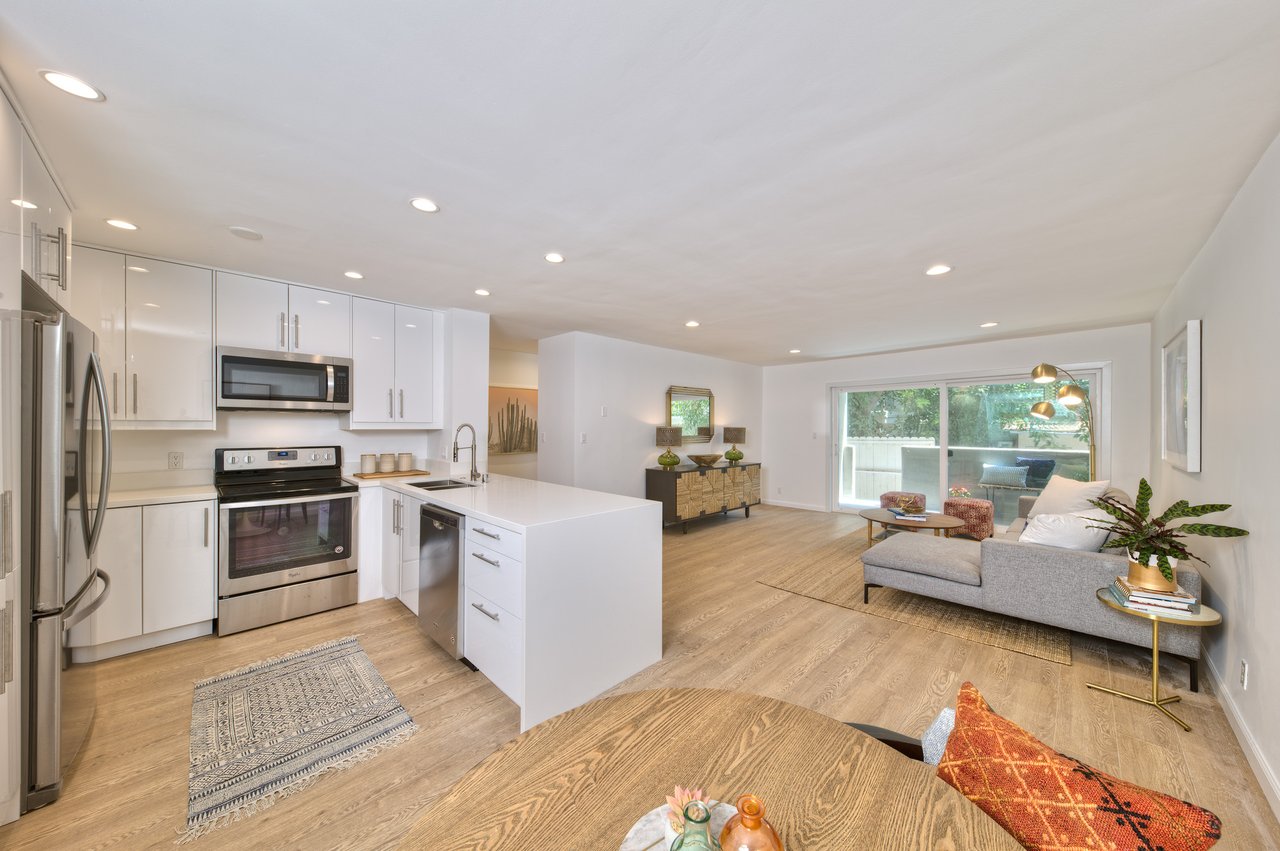
Exceptional condos are setting records. Good condos are getting cut. The difference is how much the buyer knows.
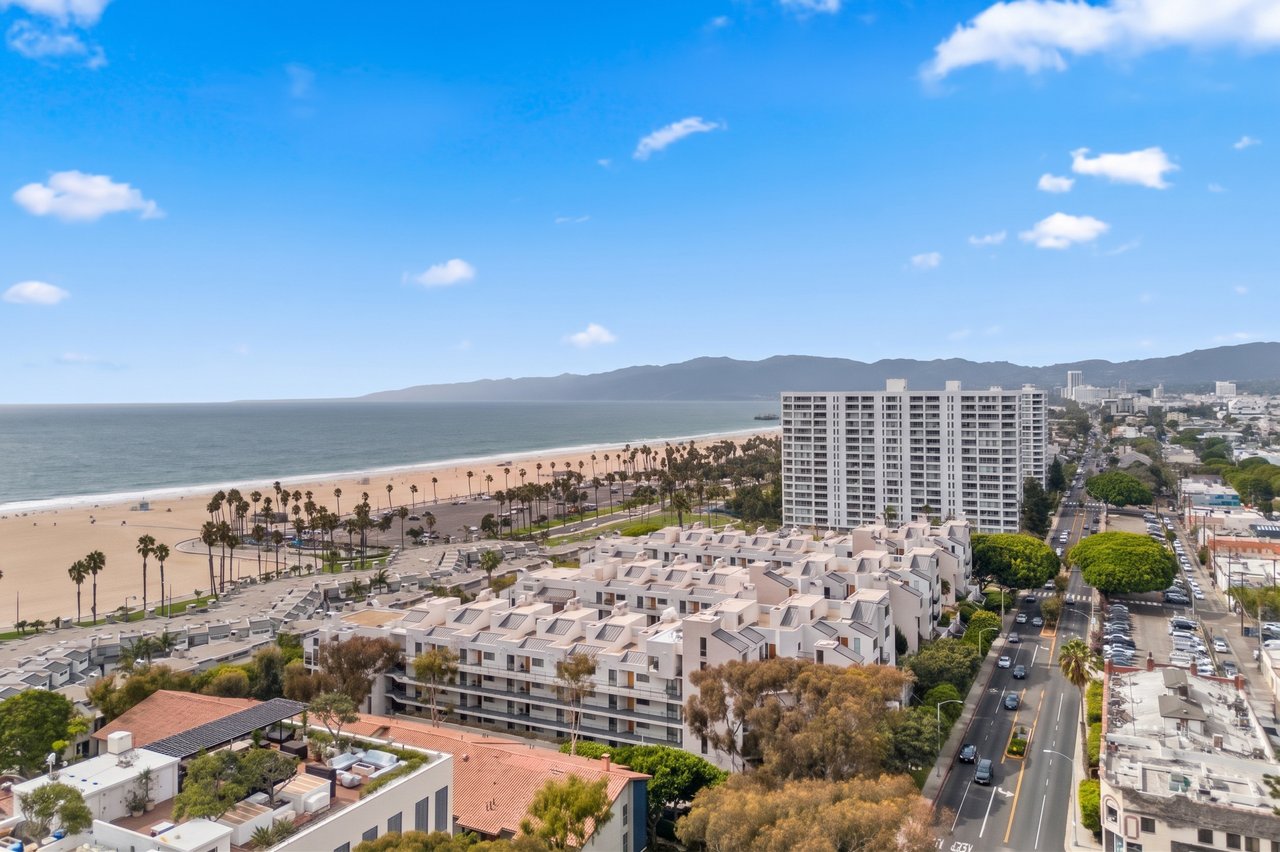
How stricter lending standards, reserve rules, and building warrantability are impacting Los Angeles condo sales and property values.
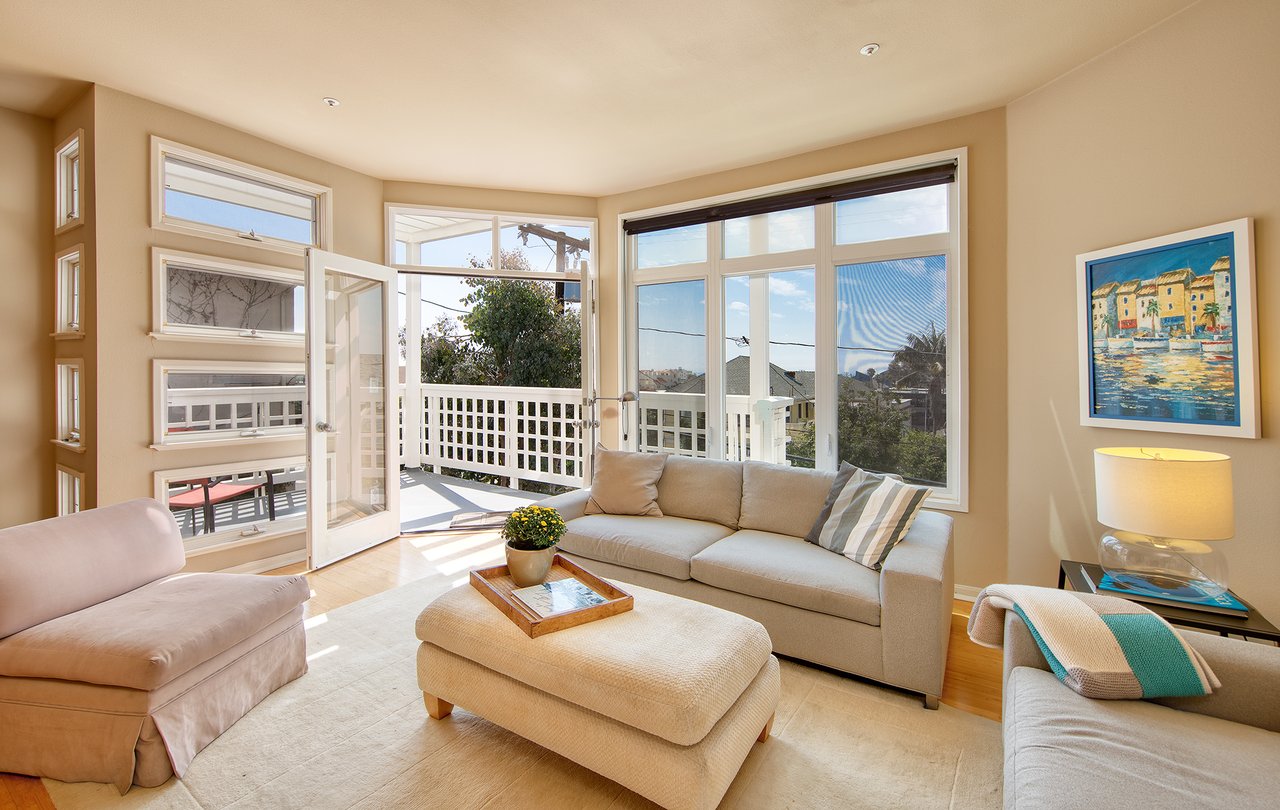
From SB-326 compliance to HOA reserve health—why building quality dictates condo values across West Hollywood right now.
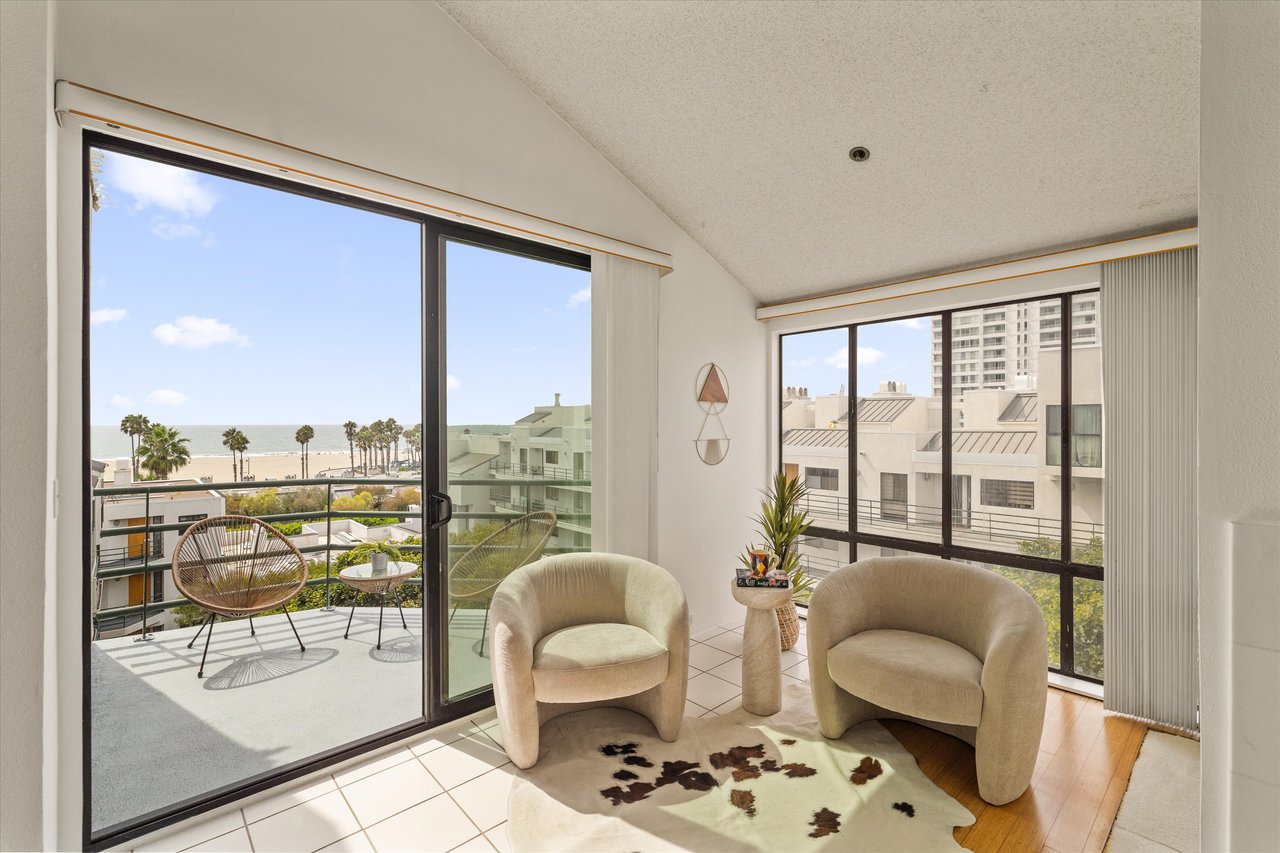
Location and finishes used to dictate condo value. In today’s market, buyer financing, HOA health, and pre-packaged preparation control the sale.

Why Traditional Real Estate Strategy Fails Condo Sellers—and How The Pre-Packaged Condo Sale™ Keeps You in Control.
For most real estate agents and brokerages across Los Angeles, condos are a side business, a handful of deals a year, alongside single-family homes, land, and everythi… Read more

From hidden HOA costs and reserve funds to neighborhood micro-markets, here is what out-of-town buyers need to know before making an offer in WeHo.
You’ve got questions and we can’t wait to answer them.
Get in Touch With Our Team

The Condo Experts
[email protected]
(310) 494-2979
Brian Maser | CA DRE# 1340306
2525 Main St #106
Santa Monica CA 90405