Buying a Condo in West Hollywood: What Relocating Buyers Need to Know

West Hollywood packs an outsized amount of personality into 1.9 square miles — and if you're relocating here, chances are a condo is on your shortlist. It's one of the most walkable pockets of Los Angeles, with a condo stock that ranges from 1960s post-war low-rises to sleek new construction near the Design District. But WeHo condos come with a few quirks that catch out-of-town buyers off guard, especially around HOAs and building health. Here's what actually matters before you make an offer.
West Hollywood is small, but it has distinct micro-markets:
Each has a different mix of building ages, which matters more than people realize — because building age drives almost everything else on this list.
HOA dues in West Hollywood vary widely by building — older elevator buildings and luxury or amenity-heavy towers generally run well above the LA County condo median (which sits in the $350–$450/month range), sometimes into four figures for full-service high-rises. But the monthly dues only tell you what owners are paying today — not whether the building is financially healthy.
The number that actually protects you is the reserve fund. Every HOA is supposed to keep money set aside for major repairs — roofs, plumbing, elevators, waterproofing. A building charging low dues but sitting on a thin reserve is a red flag: it usually means a special assessment (a one-time bill to all owners, sometimes tens of thousands of dollars) is coming.
Before you write an offer, request:
This is standard practice in California condo purchases, and any agent working WeHo should be pulling these documents as part of due diligence — not just handing you a disclosure packet to read alone.
A large share of WeHo's condo inventory was built in the 1960s–1980s. These buildings are often charming — plaster walls, larger floor plans, better bones than newer builds in some cases — but they're also approaching the age where major systems (roofing, plumbing, balconies, elevators) need replacement. Since California's SB-326 balcony and reserve-inspection law took full effect in 2025 (part of a wave of stricter condo safety and funding rules following building-collapse incidents in California and Florida), HOAs in older buildings are increasingly required to fund reserves more aggressively, which can mean dues (or assessments) rising in the next few years even if they've been stable historically.
Newer buildings (2010s+) typically have healthier reserves out of the gate but higher dues and higher HOA-mandated insurance costs, which have risen sharply statewide.
Neither is automatically the "right" answer — it depends on your risk tolerance and how long you plan to hold. But you should know which category a building falls into before you fall in love with the unit.
West Hollywood has one of the strongest rent stabilization ordinances in California, covering a large share of the city's older rental housing stock. Individually-titled condos are generally exempt from it under the state's Costa-Hawkins Act — whether you live in the unit or rent it out — but the ordinance still shapes the broader WeHo housing market you're buying into, including why rental comps in the area can behave differently than in neighboring Beverly Hills or the Sunset Strip corridor.
If you're buying as an investment property, it's still worth confirming your specific building's status with your agent, since exemption rules can turn on how and when a property was subdivided.
WeHo has one of the highest Walk Scores in LA — many residents genuinely don't need a car day-to-day. But parking is still a major value driver in resale:
The condos that turn into headaches almost always had warning signs in the HOA paperwork that got skipped over during a fast escrow. A building with strong reserves, a recently completed reserve study, and no pending assessments is a fundamentally different purchase than one that looks identical on Zillow but is financially fragile underneath.
If you're relocating to West Hollywood and want a second set of eyes on a building's financial health before you commit, that's the exact kind of due diligence worth doing before, not after, you're in contract.
What is a normal HOA fee in West Hollywood? It varies significantly by building — expect dues above the LA County condo median (roughly $350–$450/month) in most WeHo buildings, with luxury or full-service high-rises running well beyond that. The dues amount alone doesn't indicate financial health — always review the reserve study alongside it.
Is West Hollywood a good place to buy a condo? West Hollywood offers high walkability, central location between the Westside and Hollywood, and strong long-term demand. Building selection matters more than neighborhood selection — reserve health and building age should factor heavily into the decision.
Do I need a reserve study before buying a WeHo condo? Yes. A current reserve study shows whether the HOA has adequately funded future repairs, which directly affects your risk of a future special assessment.
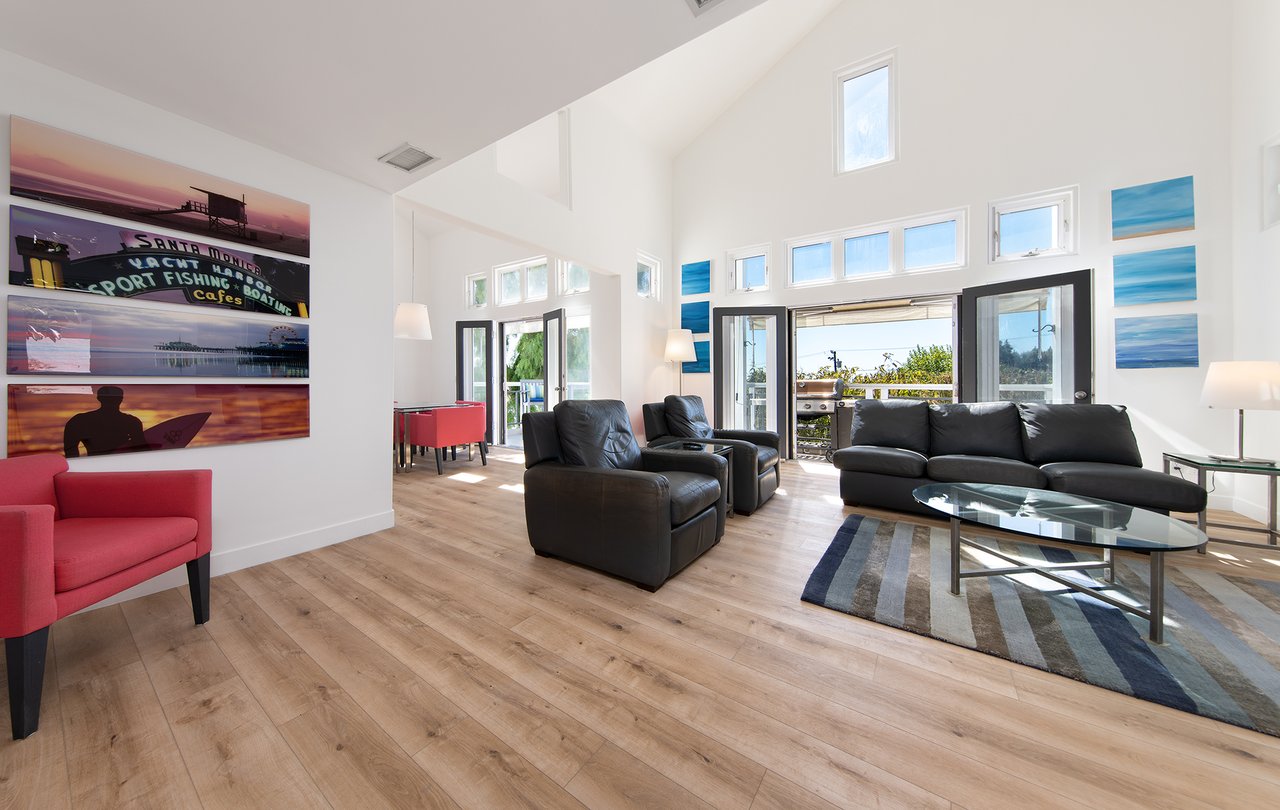
Evaluating cash flow, assessment risks, and lender guidelines to make the right move in the Los Angeles condo market.
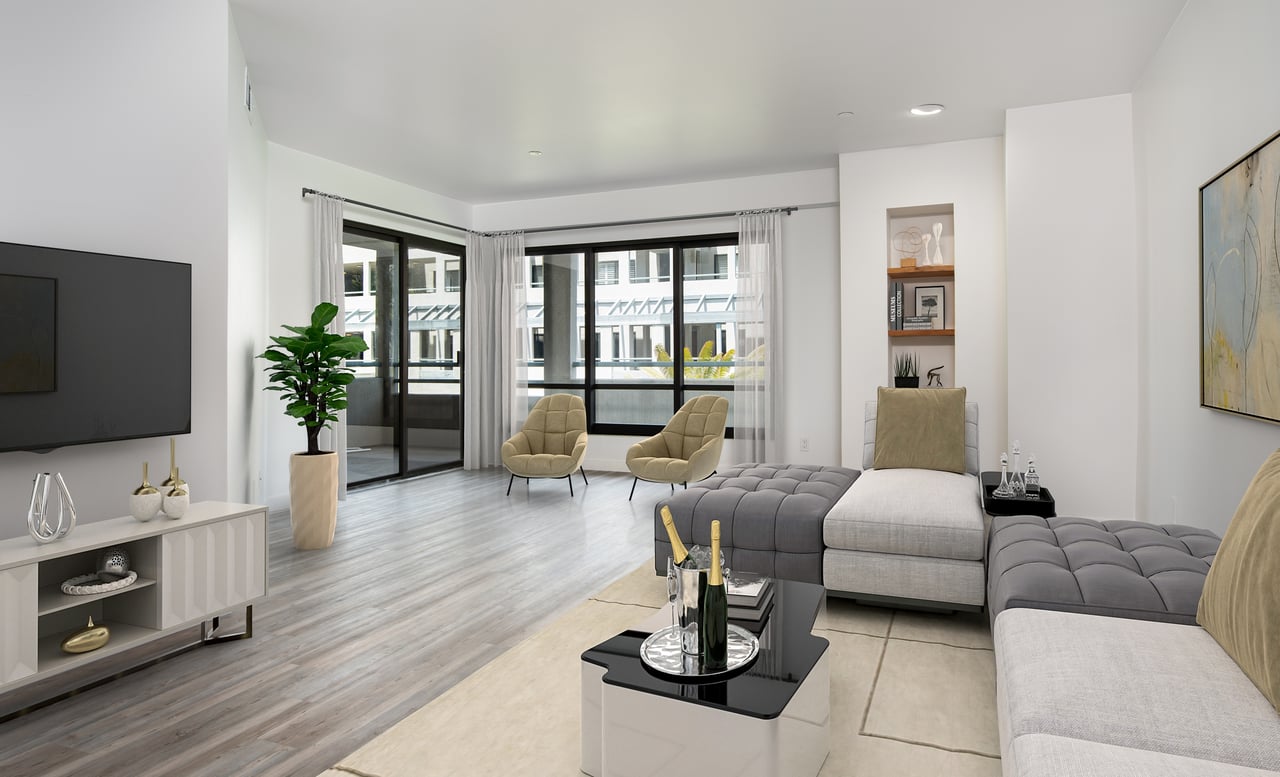
Lender tightening, non-warrantable risks, and reserve rules—what Los Angeles condo owners must do now to protect property values.
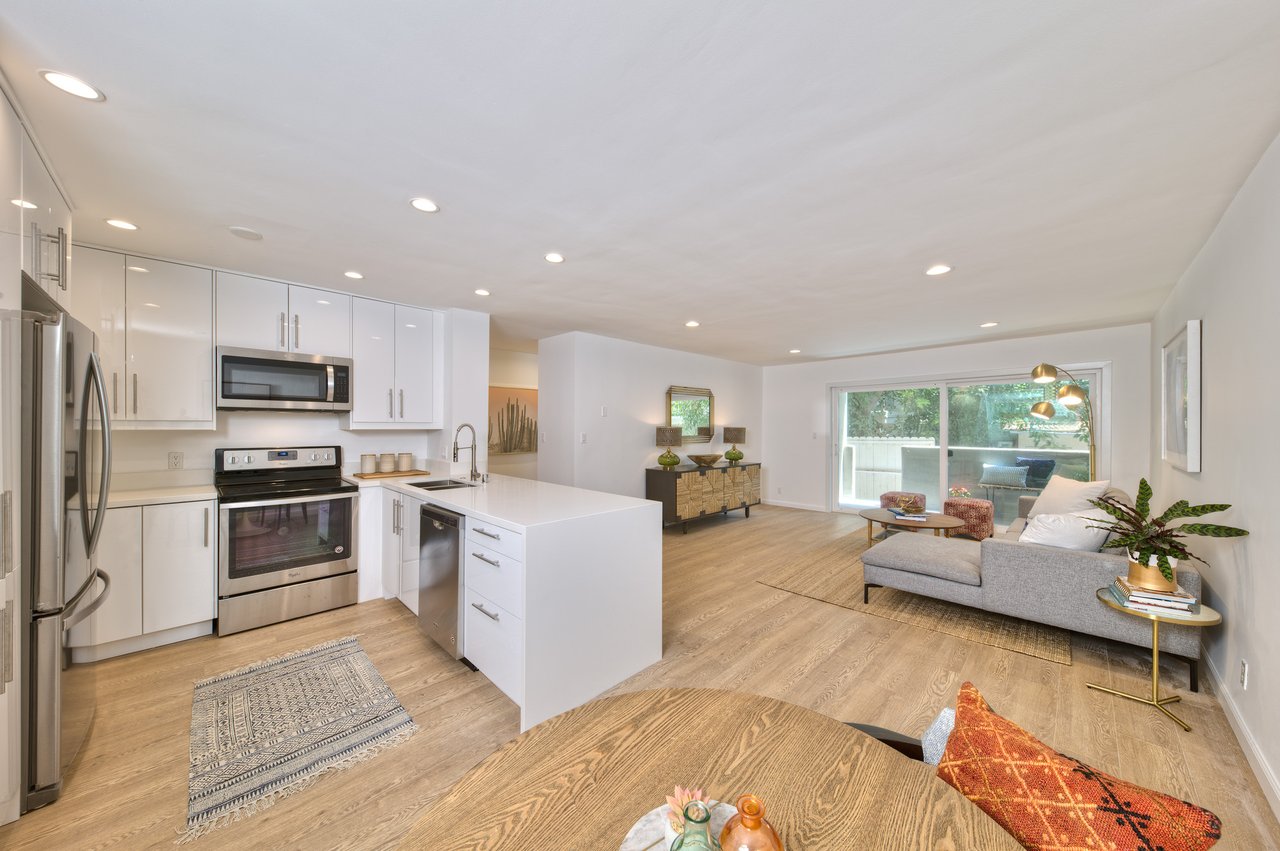
Exceptional condos are setting records. Good condos are getting cut. The difference is how much the buyer knows.
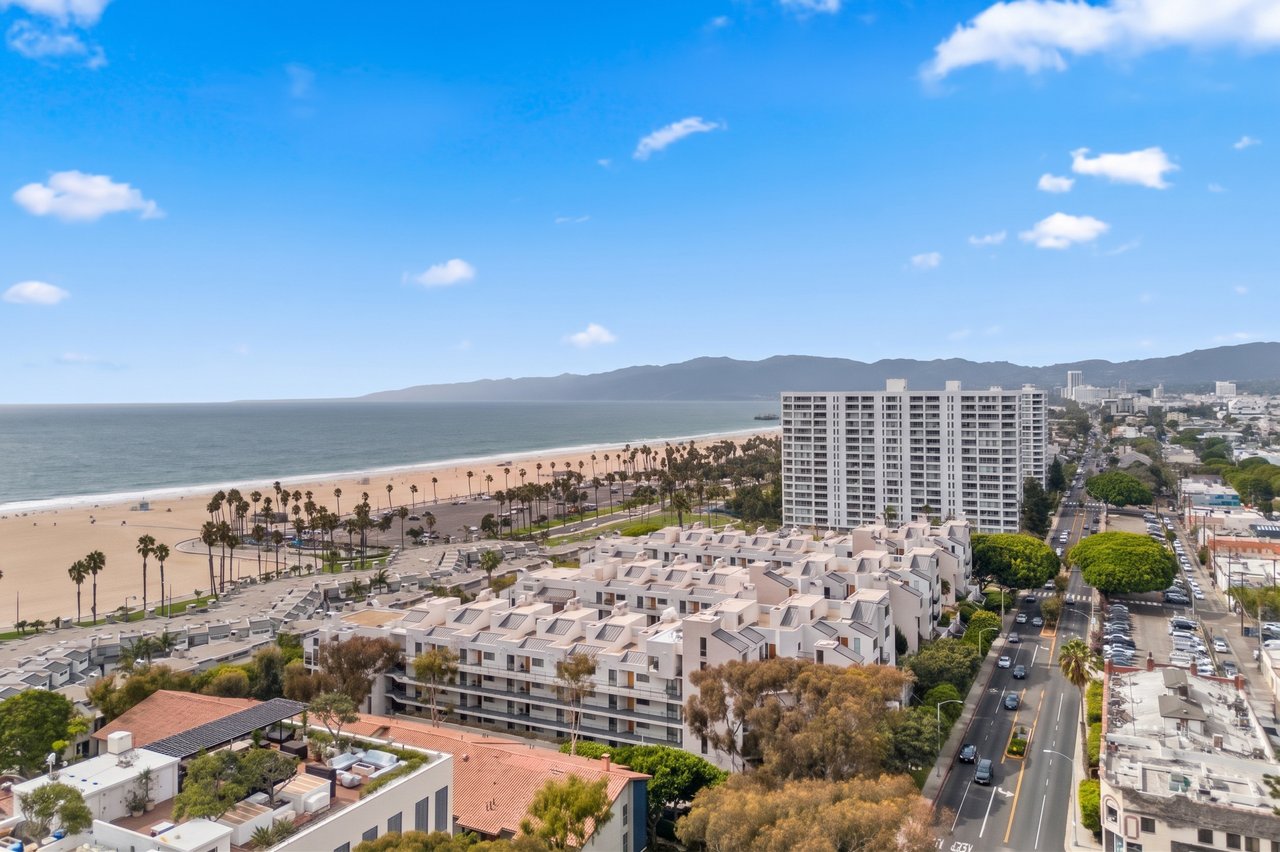
How stricter lending standards, reserve rules, and building warrantability are impacting Los Angeles condo sales and property values.
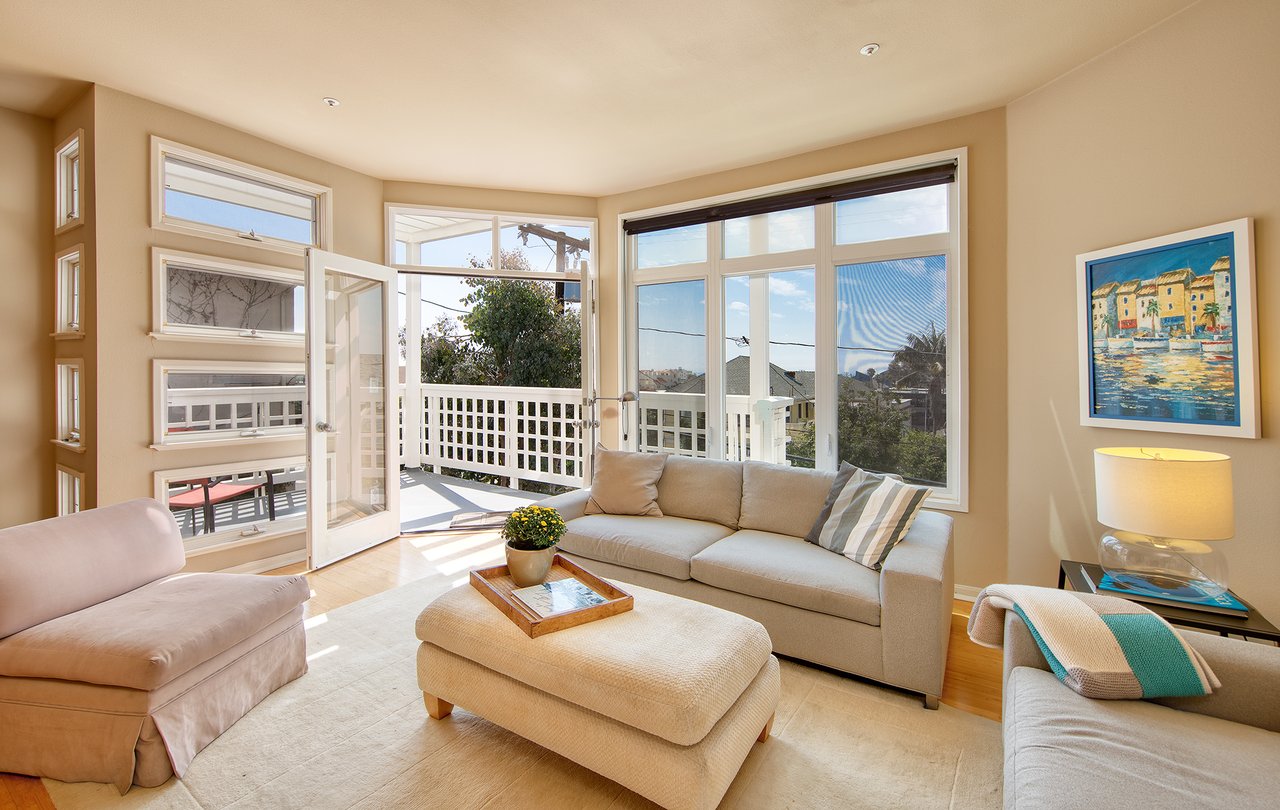
From SB-326 compliance to HOA reserve health—why building quality dictates condo values across West Hollywood right now.
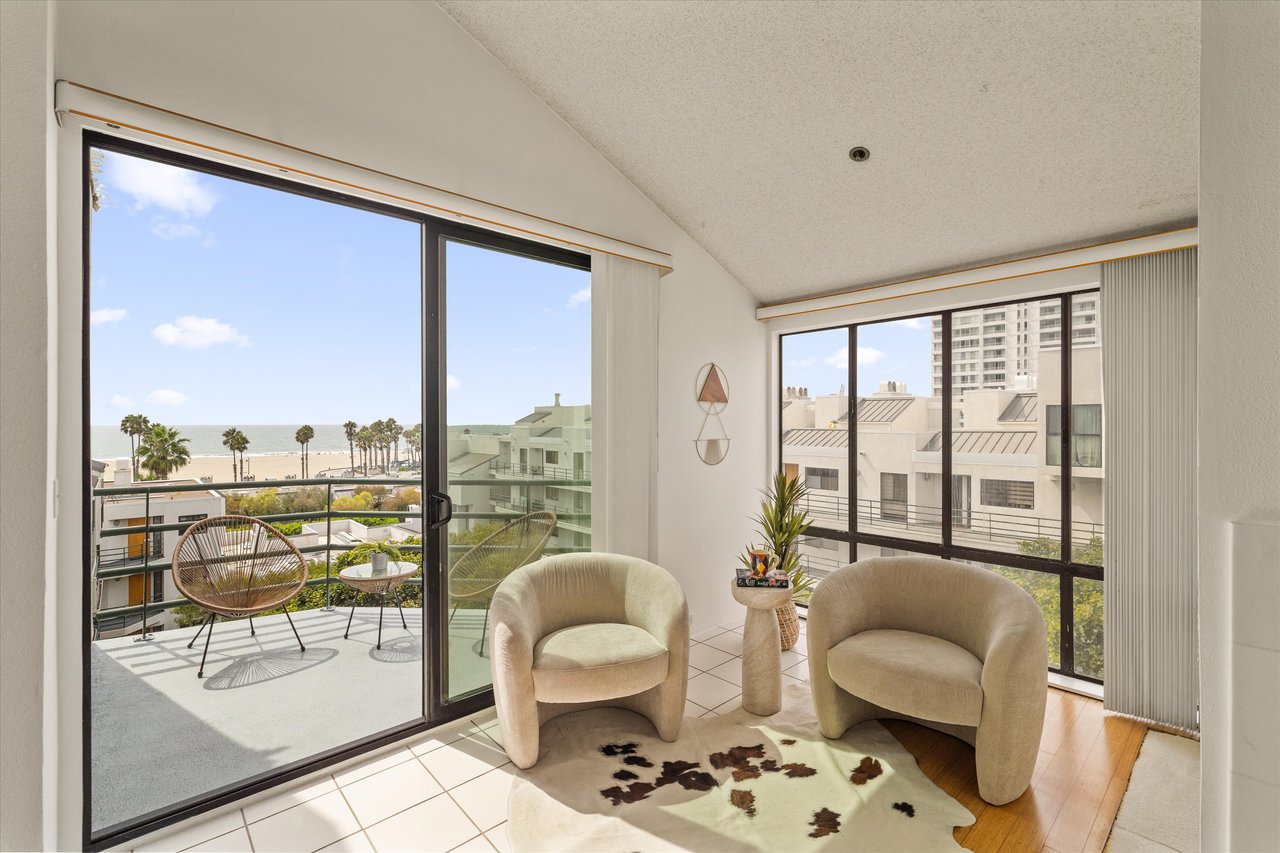
Location and finishes used to dictate condo value. In today’s market, buyer financing, HOA health, and pre-packaged preparation control the sale.
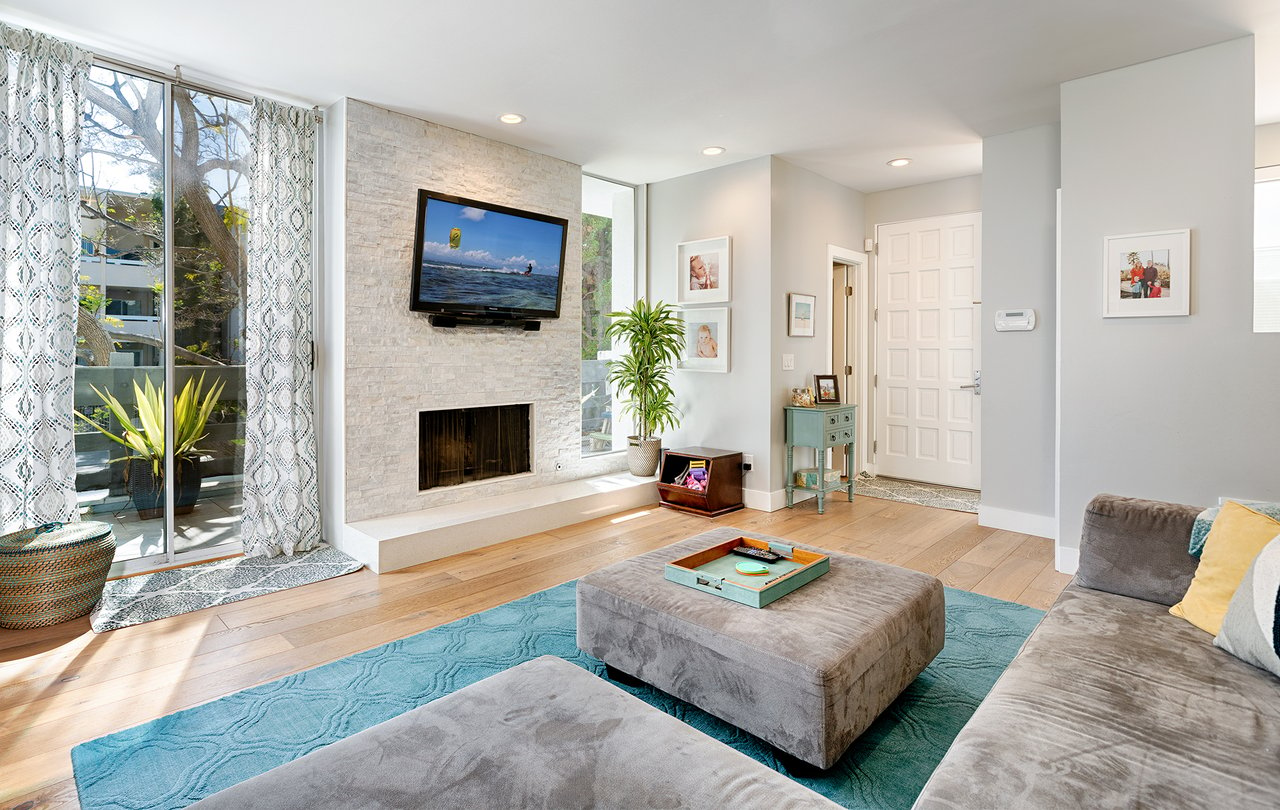
Why Traditional Real Estate Strategy Fails Condo Sellers—and How The Pre-Packaged Condo Sale™ Keeps You in Control.
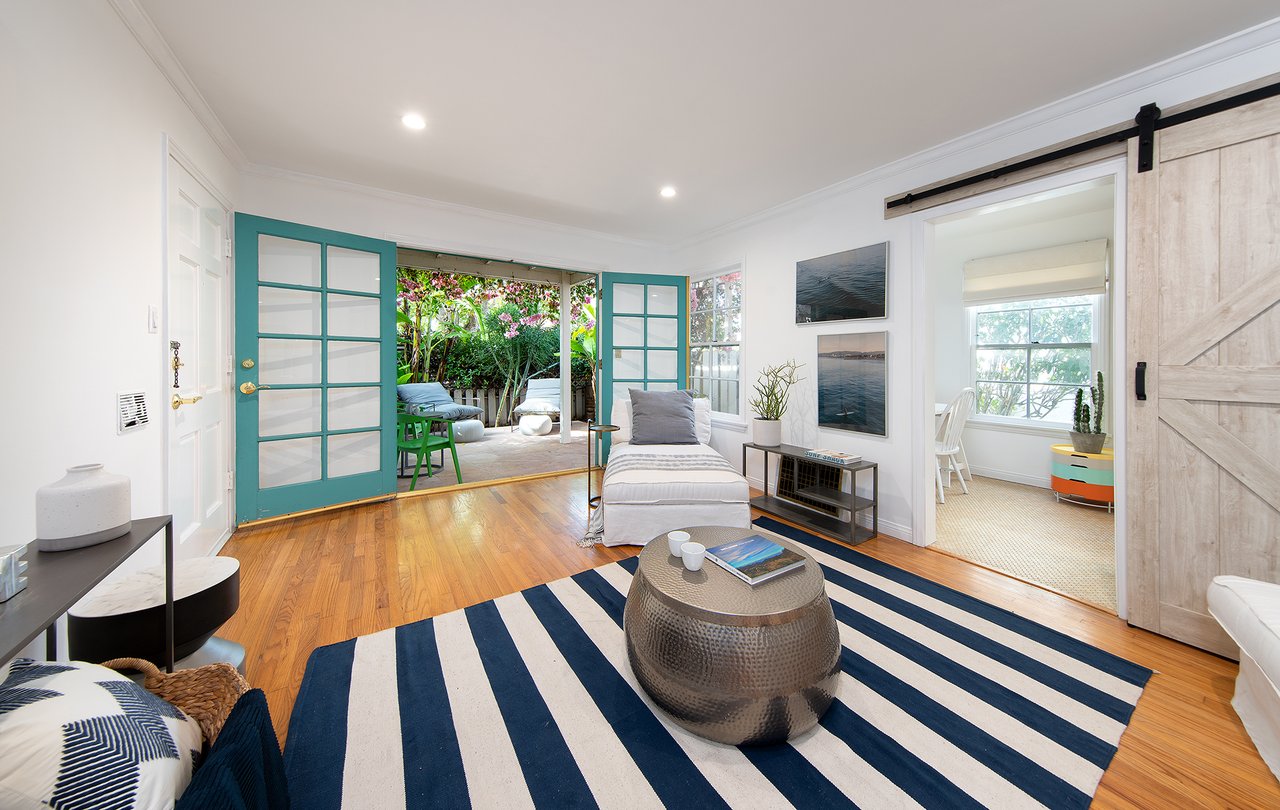
For most real estate agents and brokerages across Los Angeles, condos are a side business, a handful of deals a year, alongside single-family homes, land, and everythi… Read more
From hidden HOA costs and reserve funds to neighborhood micro-markets, here is what out-of-town buyers need to know before making an offer in WeHo.
You’ve got questions and we can’t wait to answer them.
Get in Touch With Our Team
The Condo Experts
[email protected]
(310) 494-2979
Brian Maser | CA DRE# 1340306
2525 Main St #106
Santa Monica CA 90405