WHAT HAPPENS AFTER THE OFFER. (This Is Where Most Condo Transactions Are Won or Lost.)
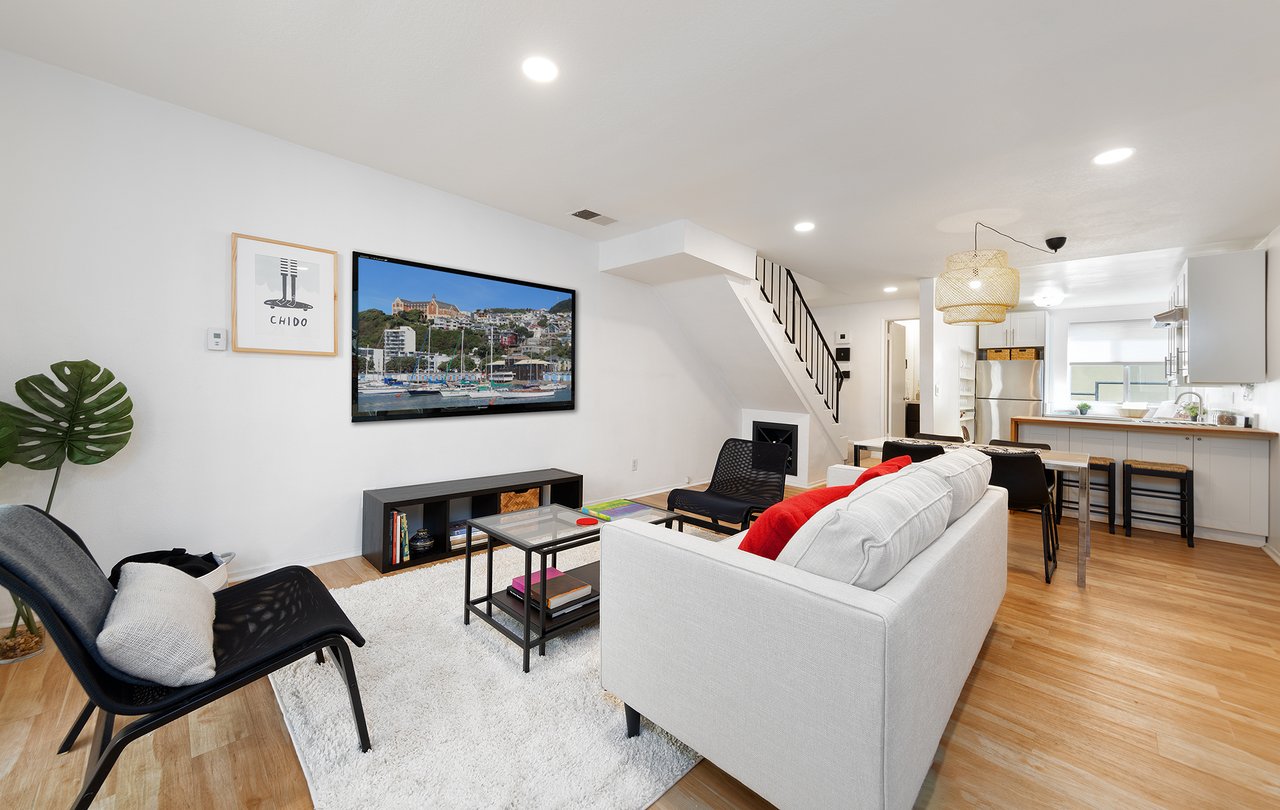
A frank look at what the escrow period actually produces — and why the 30 days after an accepted offer reveal everything about how well the transaction was set up before it started.
Everyone focuses on getting to the accepted offer.
The price negotiation. The competing bids. The back-and-forth over terms. That's the part that feels like the transaction. And in a lot of ways it is — emotionally, at least.
But in a condo sale, the offer acceptance is not the finish line. It's the starting gun on a completely different kind of process. What happens in the 21 to 30 days that follow — the escrow period — determines whether that transaction actually closes, at what price, and with how much pain on both sides.
Over 700 transactions and 25 years of closing condo deals across the Westside and South Bay, the pattern is consistent:
Well-prepared deals close cleanly. The timeline moves. The buyer stays confident. The contingencies come off fast. The seller gets what they negotiated.
Unprepared deals stall, renegotiate, and sometimes fall apart entirely — usually not because of anything that happened after the offer, but because of everything that wasn't done before it.
Here's an honest walkthrough of what escrow actually looks like in both scenarios.
WHAT ESCROW LOOKS LIKE ON A PREPARED CONDO TRANSACTION
Day 1–3: Escrow Opens
The escrow company receives the purchase agreement. Timelines begin. The buyer's lender initiates the loan process. Preliminary title report is ordered. Deposit clears.
On a prepared listing, the seller's disclosure package — including the HOA documents, reserve study, and inspection reports — is already assembled and ready to deliver. The buyer's team receives everything within the first few days. No scrambling. No delays.
Day 3–7: HOA Documents Delivered
This is the moment that defines the escrow on a condo sale.
The HOA document package arrives: reserve study, meeting minutes, financials, CC&Rs, insurance certificate, pending assessments, compliance records.
On a prepared transaction, this package is organized, complete, and clean. The buyer and their agent read through it and find what they expected — or what was already disclosed. No surprises. No alarm. The buyer's confidence holds.
On an unprepared transaction, this is where things quietly start to go wrong. Documents are missing. The reserve study hasn't been updated. The meeting minutes reference a structural issue that nobody disclosed. The insurance certificate shows a carrier change the lender needs to verify. The buyer's agent calls with questions the listing agent can't answer. The buyer starts second-guessing.
Day 7–14: Inspections and Lender Review
Physical inspections happen. The lender's underwriting team reviews the HOA documents and runs the warrantability check — owner-occupancy ratios, delinquency rates, pending litigation, commercial space percentage.
On a prepared transaction: inspections confirm what was already disclosed. The lender moves forward without conditions. The buyer's questions are answered quickly because the information was already organized.
On an unprepared transaction: inspections surface issues that weren't disclosed. The lender adds conditions or flags the building's warrantability. The buyer's agent starts putting together a list. The seller's position, which was strong two weeks ago, is weakening by the day.
Day 14–21: Contingency Removal
This is the deadline by which the buyer must remove their contingencies — inspection, loan, and HOA review — or the deal is at risk.
On a prepared transaction, we regularly see contingencies removed in 7 days. Everything has been reviewed. There's nothing left to discover. The buyer is confident and committed.
On an unprepared transaction, this is typically when the renegotiation begins. Repair requests. Price reductions. Seller credits. Sometimes an extension — or a cancellation.
Day 21–30: Close of Escrow
On a prepared transaction, this is a formality. Loan documents are signed. Final walk-through confirms condition. Funds wire. Keys transfer. The seller nets what they expected.
On an unprepared transaction, if it gets this far, the seller has typically given something back — price, credits, repairs, time. Sometimes all three.
WHY PREPARATION IS THE ONLY LEVERAGE THAT HOLDS
Once a buyer is under contract, their leverage increases with every problem they find. Every unanswered question, every missing document, every undisclosed issue becomes a negotiating point — because they know the seller is motivated to close.
The only time a seller has full leverage is before a buyer is involved.
That's the window. Sellers who use it — by organizing their building's documents, conducting their own inspections, resolving issues proactively, and going to market with everything already known and disclosed — are the ones who close at the price they negotiated.
The sellers who wait? They negotiate twice. Once to get the offer. And again in escrow, over things that didn't have to be surprises.
THE BUYER SIDE: WHAT A SMOOTH ESCROW FEELS LIKE
For buyers, escrow on a prepared listing is fundamentally different.
Instead of spending two weeks chasing documents and trying to get answers, they're confirming information they were already given. Instead of building a list of concerns, they're checking boxes. Instead of second-guessing the purchase, they're planning the move.
That confidence matters. Buyers who feel informed through the process are far less likely to renegotiate, request credits, or walk away. They close — and they close satisfied.
If you're buying a condo on the Westside or in the South Bay, see what's currently available and in escrow.
WHAT WE DO BEFORE EVERY LISTING
The Pre-Packaged Condo Sale™ is built around this reality.
Before a property goes to market — whether in Santa Monica, Venice, Mar Vista, Redondo Beach, or Manhattan Beach — we do the work that most sellers don't do until they're forced to in escrow:
→ Seller inspections completed upfront — findings disclosed, not discovered → HOA documents collected, reviewed, and organized — reserve study, meeting minutes, financials, insurance, CC&Rs → Lender and warrantability flags identified and addressed before any buyer sees the property → Buyer-facing document summary prepared — buyers enter escrow informed, not anxious → SB-326 compliance, insurance adequacy, and outstanding assessments reviewed
The result: contingencies removed early, no surprise repair requests, no mid-escrow renegotiation, sellers who close at or near their accepted offer price.
We built PropertyPortal24.com to support this process — and to make it available to any HOA, any realtor, and any building that wants to get organized before a transaction requires it.
The offer is just the beginning of the work.
What happens after it — in escrow, in the documents, in the conversations between lenders and buyers and inspectors — is where the transaction is actually decided.
If you're selling a condo on the Westside or in the South Bay, let's talk about what your escrow will look like — and what we'd do to make sure it goes the right way. Talk to us before you list.
If you're buying, we'll make sure you understand the building before you make a commitment you'll spend escrow questioning. Learn how we represent buyers.
See the Pre-Packaged Condo Sale™ Process · Organize Your Building with PropertyPortal24.com
— Brian Maser Founder, The Condo Experts | Founder, PropertyPortal24.com CA DRE# 1340306 | (310) 494-2979
Evaluating cash flow, assessment risks, and lender guidelines to make the right move in the Los Angeles condo market.

Lender tightening, non-warrantable risks, and reserve rules—what Los Angeles condo owners must do now to protect property values.
Exceptional condos are setting records. Good condos are getting cut. The difference is how much the buyer knows.
How stricter lending standards, reserve rules, and building warrantability are impacting Los Angeles condo sales and property values.
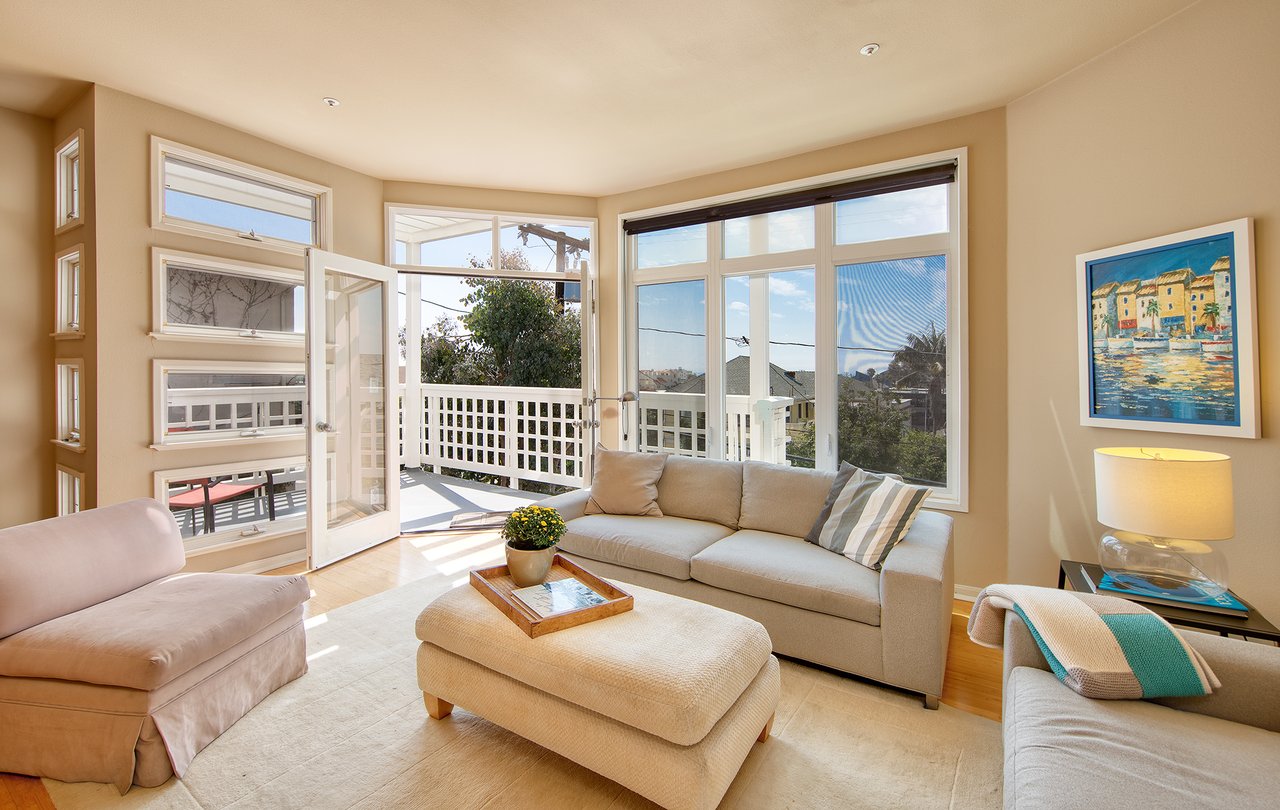
From SB-326 compliance to HOA reserve health—why building quality dictates condo values across West Hollywood right now.
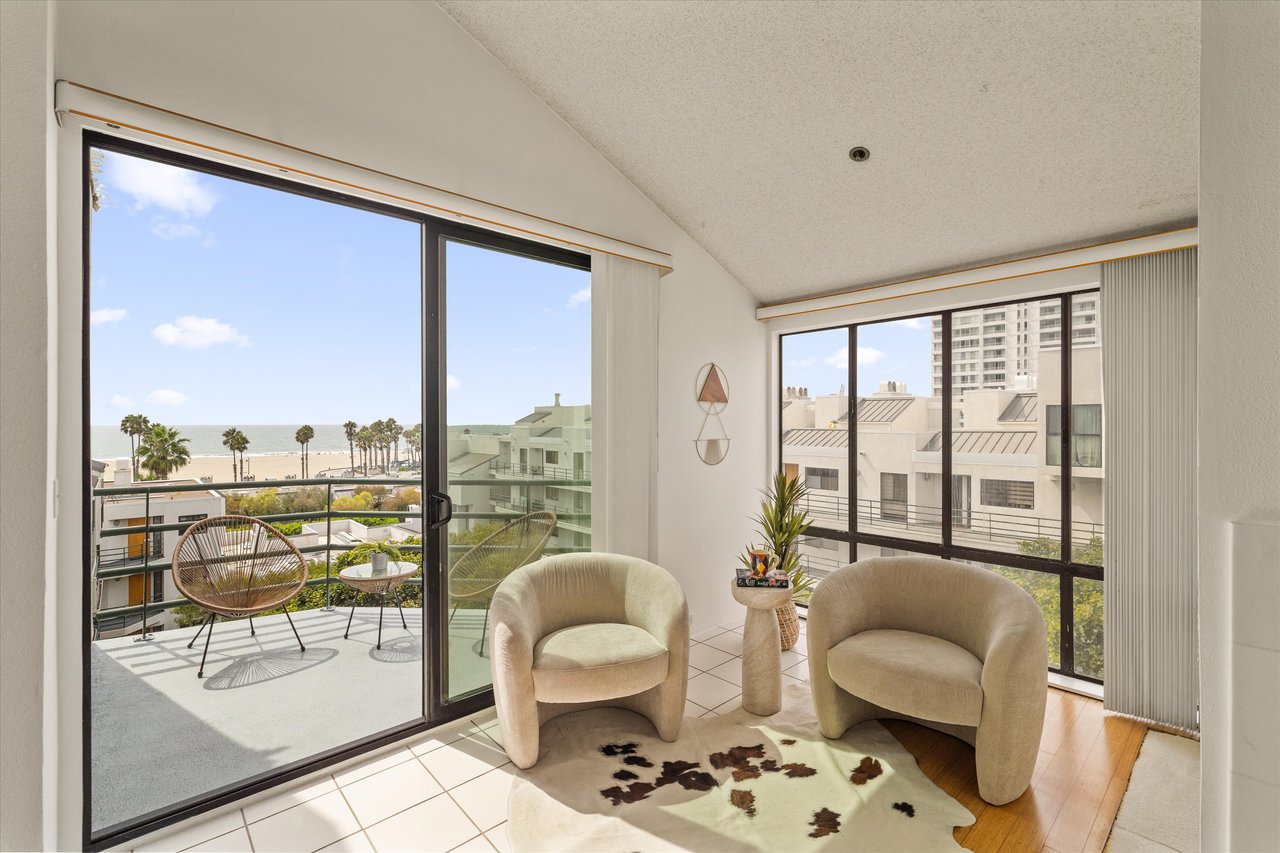
Location and finishes used to dictate condo value. In today’s market, buyer financing, HOA health, and pre-packaged preparation control the sale.
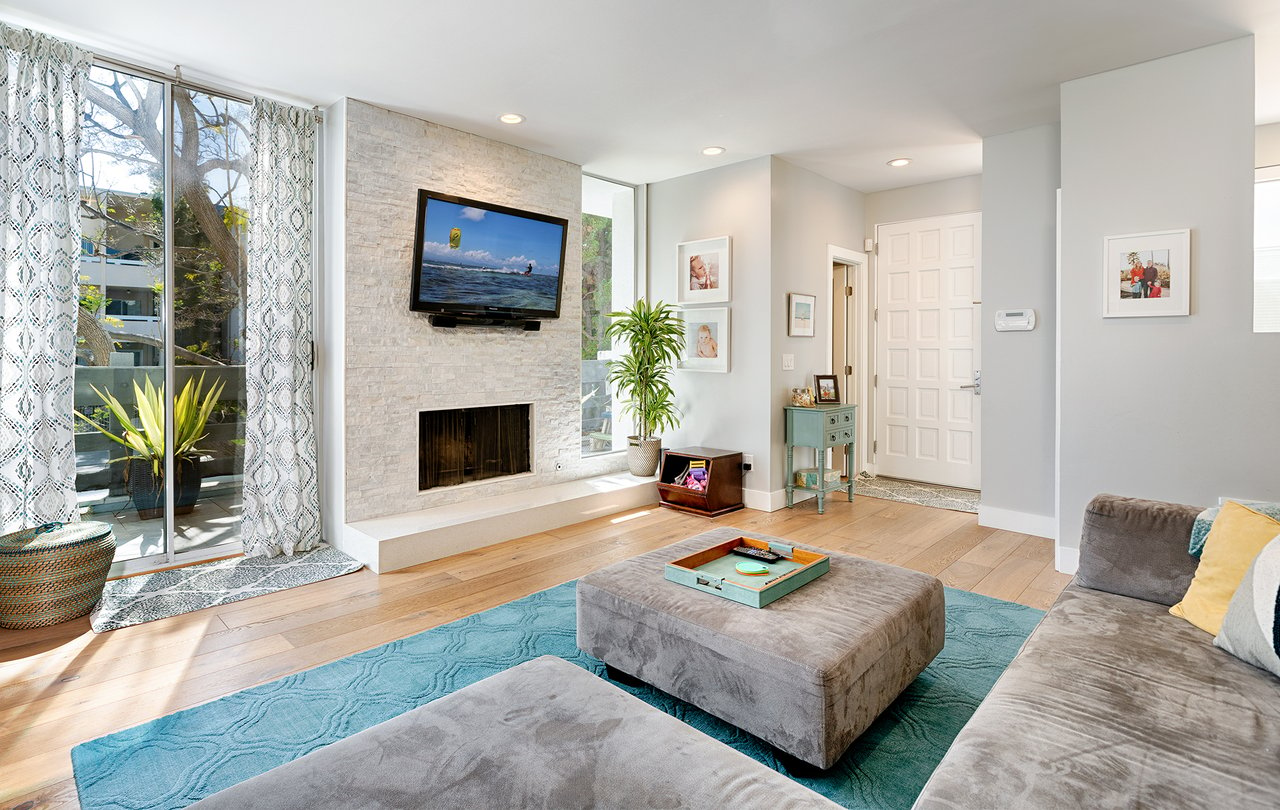
Why Traditional Real Estate Strategy Fails Condo Sellers—and How The Pre-Packaged Condo Sale™ Keeps You in Control.
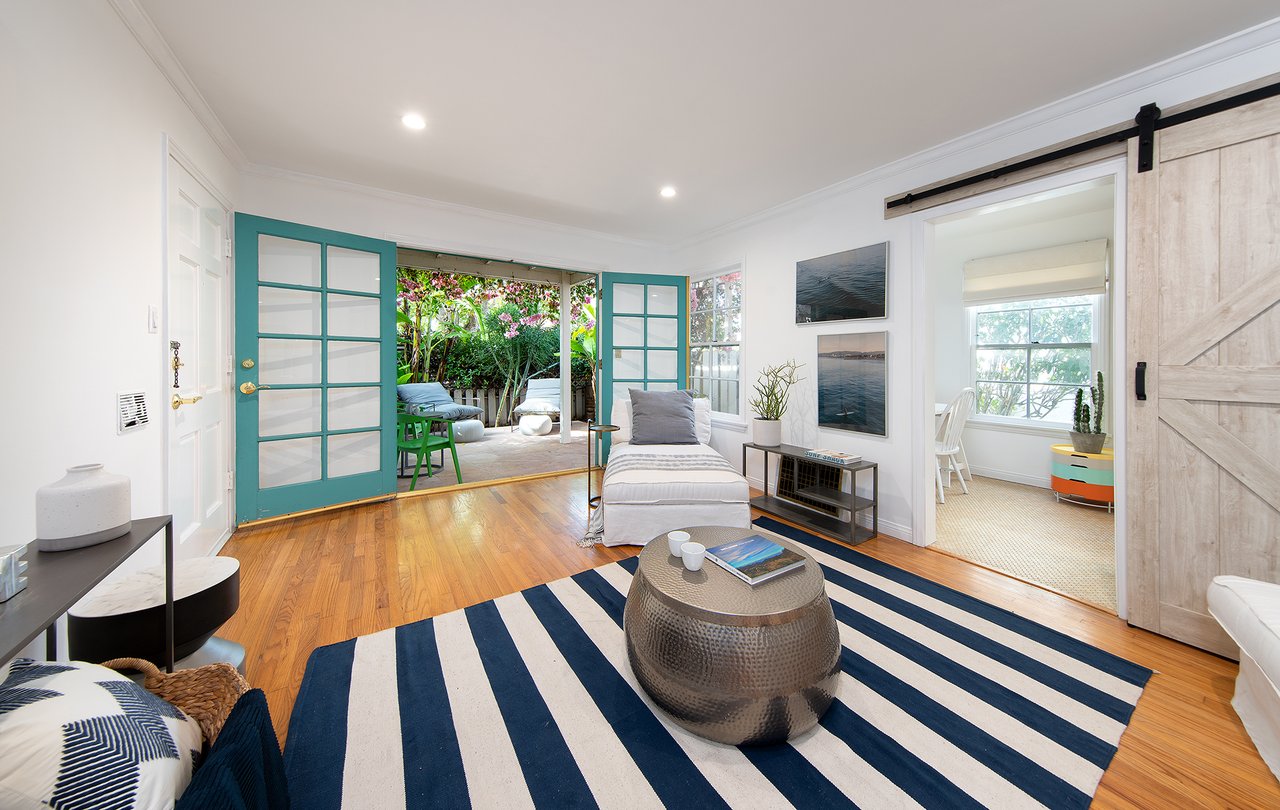
For most real estate agents and brokerages across Los Angeles, condos are a side business, a handful of deals a year, alongside single-family homes, land, and everythi… Read more

From hidden HOA costs and reserve funds to neighborhood micro-markets, here is what out-of-town buyers need to know before making an offer in WeHo.
You’ve got questions and we can’t wait to answer them.
Get in Touch With Our Team

The Condo Experts
[email protected]
(310) 494-2979
Brian Maser | CA DRE# 1340306
2525 Main St #106
Santa Monica CA 90405