How Condo Financing Works Differently — And What South Bay Buyers Should Prepare For

By The Condo Experts | condosalesexperts.com
Buying a condo isn’t the same as buying a single-family home — and the financing reflects that. Lenders underwrite condo loans differently, and the approval process involves a layer of scrutiny that has nothing to do with the buyer’s credit or income. It has to do with the building itself.
For South Bay condo buyers, understanding this early can be the difference between a smooth transaction and a frustrating last-minute complication. Here’s what you need to know.
When you apply for a conventional mortgage on a condo, the lender doesn’t just evaluate you — they evaluate the building. This process is called warrantability, and it determines whether Fannie Mae or Freddie Mac will purchase your loan after closing.
A “warrantable” condo building meets a set of standards around owner-occupancy ratios, HOA financial health, litigation status, and commercial space percentages. If the building meets those standards, you have access to the full range of conventional financing options.
A “non-warrantable” building doesn’t meet those standards — which limits your lender options, often increases your interest rate, and in some cases requires a larger down payment. It doesn’t mean the building is bad. It means the financing path is narrower.
Not sure if a building you’re considering is warrantable? The Condo Experts can help you find out before you’re deep in the process. condosalesexperts.com
A few common factors:
• Too many units are renter-occupied (conventional loans typically require at least 50% owner-occupancy in the building)
• Active litigation involving the HOA
• One entity owns too many units in the building
• The HOA is delinquent on a significant percentage of dues
• Too much commercial space relative to residential space
Some of these are building-level realities that won’t change. Others are temporary — a litigation matter that’s resolved, or an owner-occupancy ratio that shifts over time. Knowing which situation you’re in matters.
As part of the loan approval process, your lender will require a condo questionnaire — a document completed by the HOA or property management company that answers the warrantability questions above. This takes time, often costs a fee, and is sometimes a source of delay in escrow.
The best preparation is to ask about the building’s warrantability status early — before you’re in escrow if possible. A knowledgeable agent can often help you get this information upfront, so it doesn’t become a surprise later.
If you’re financing with an FHA or VA loan, the building itself needs to be FHA or VA approved, respectively. These are separate approval processes from conventional warrantability, and not all buildings qualify.
Approval status can also expire — a building that was previously FHA approved may no longer be. If you’re using one of these loan programs, verify the building’s current approval status before you go deep into the process.
Using an FHA or VA loan? The Condo Experts can verify building approval status before you fall in love with a unit. condosalesexperts.com
Condo loans sometimes require higher down payments than comparable single-family purchases, particularly for non-warrantable buildings or higher-priced units. In the South Bay, where price points for desirable coastal condos can be significant, this is worth factoring into your preparation.
Discuss your specific situation — loan program, building type, price range — with a lender experienced in condo financing before you begin your search. It will help you set realistic expectations and move faster when you find the right unit.
At The Condo Experts, we work exclusively in condos and townhomes. That means we understand the financing nuances — and we work regularly with lenders who specialize in condo transactions. We help buyers get ahead of potential complications, not discover them during escrow.
If you’re preparing to buy a condo in the South Bay, reach out to our team at condosalesexperts.com.

Evaluating cash flow, assessment risks, and lender guidelines to make the right move in the Los Angeles condo market.

Lender tightening, non-warrantable risks, and reserve rules—what Los Angeles condo owners must do now to protect property values.
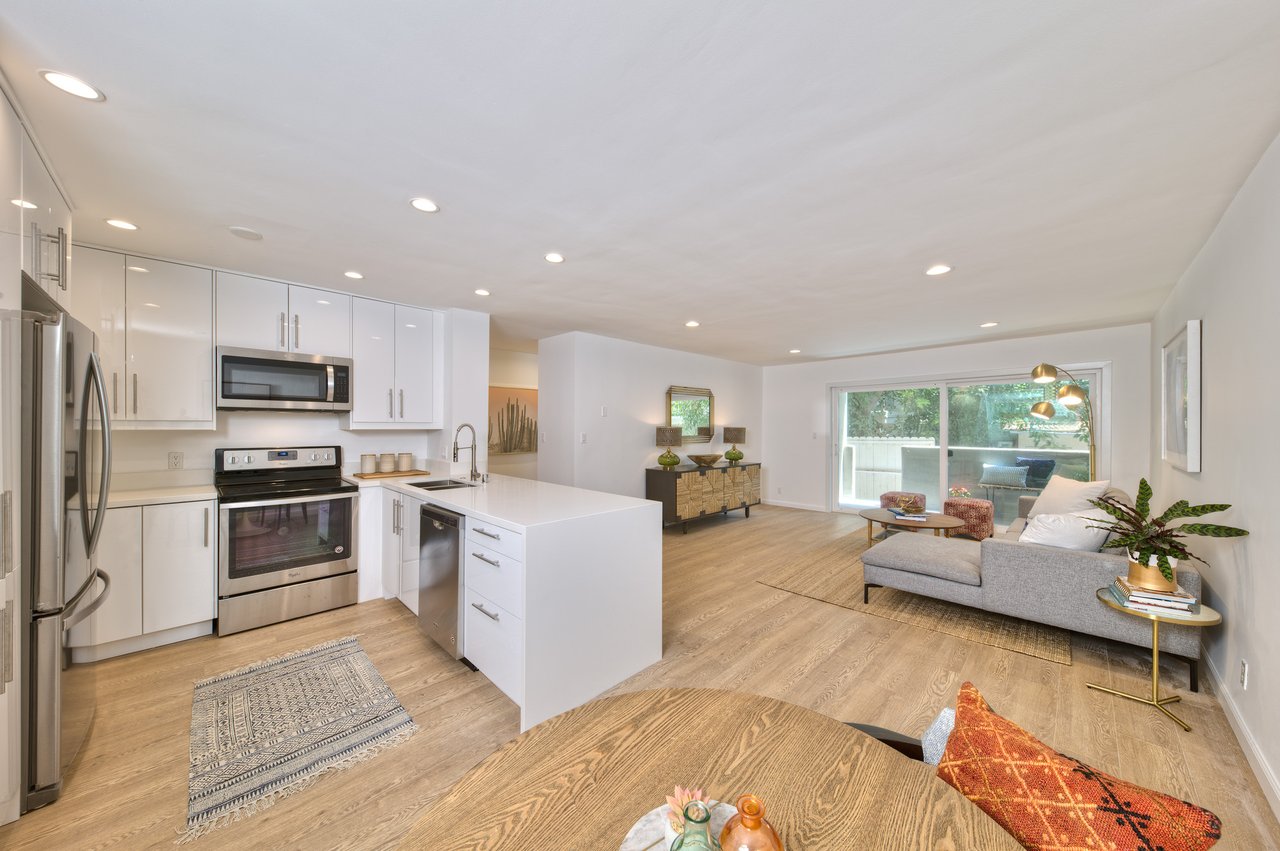
Exceptional condos are setting records. Good condos are getting cut. The difference is how much the buyer knows.
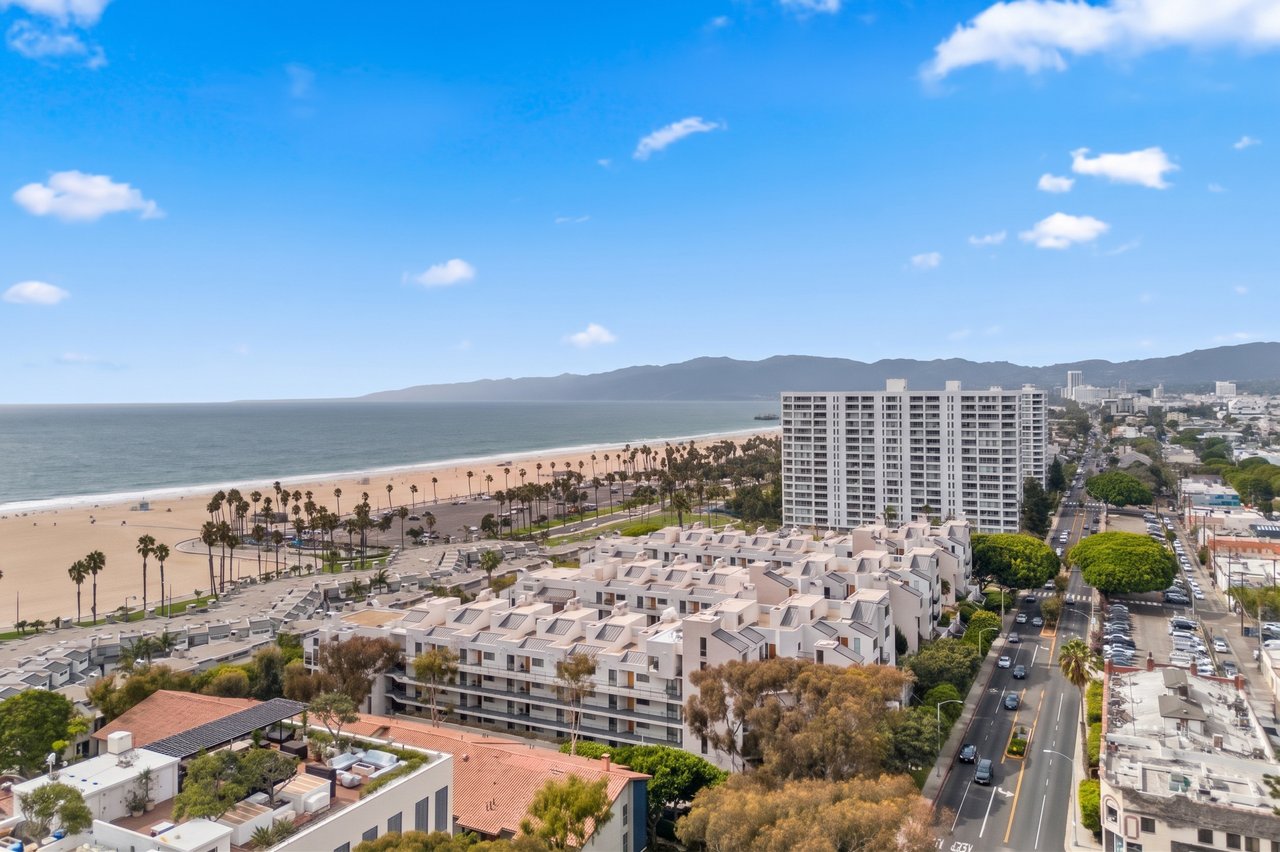
How stricter lending standards, reserve rules, and building warrantability are impacting Los Angeles condo sales and property values.
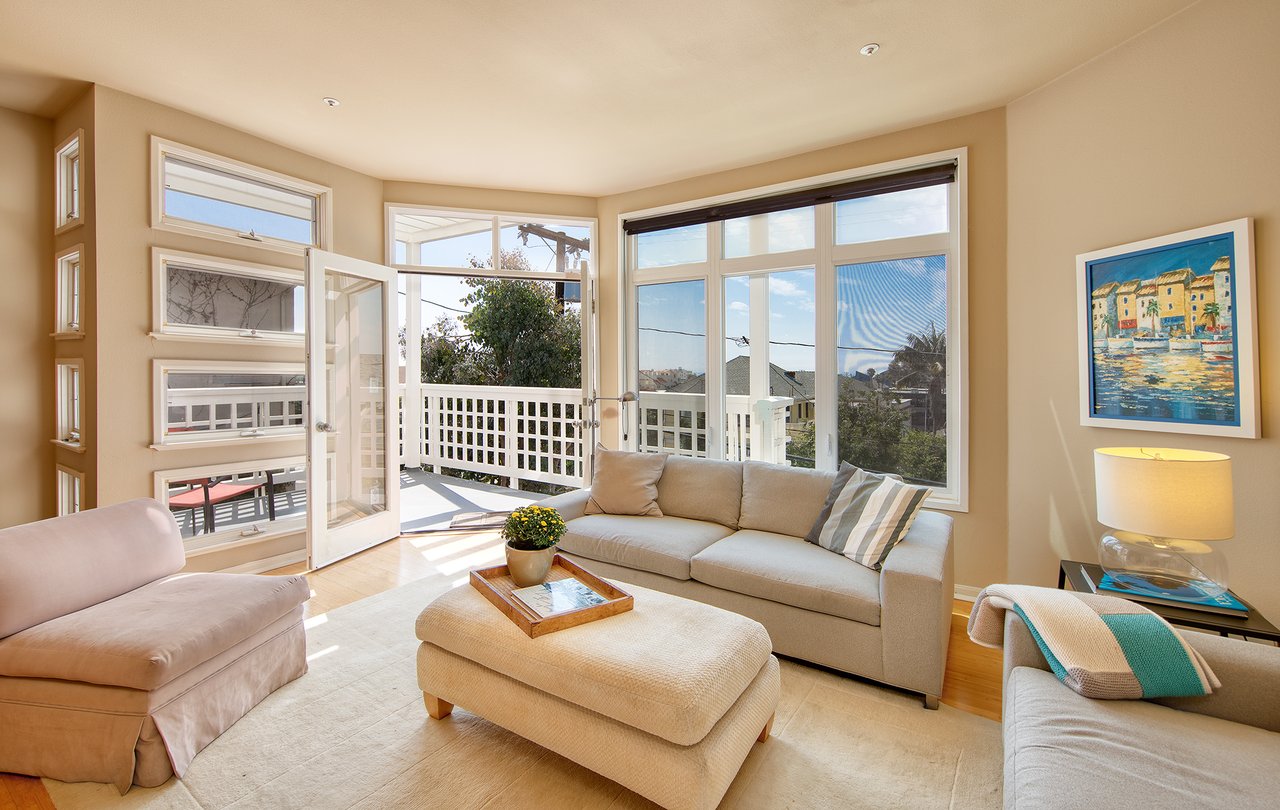
From SB-326 compliance to HOA reserve health—why building quality dictates condo values across West Hollywood right now.
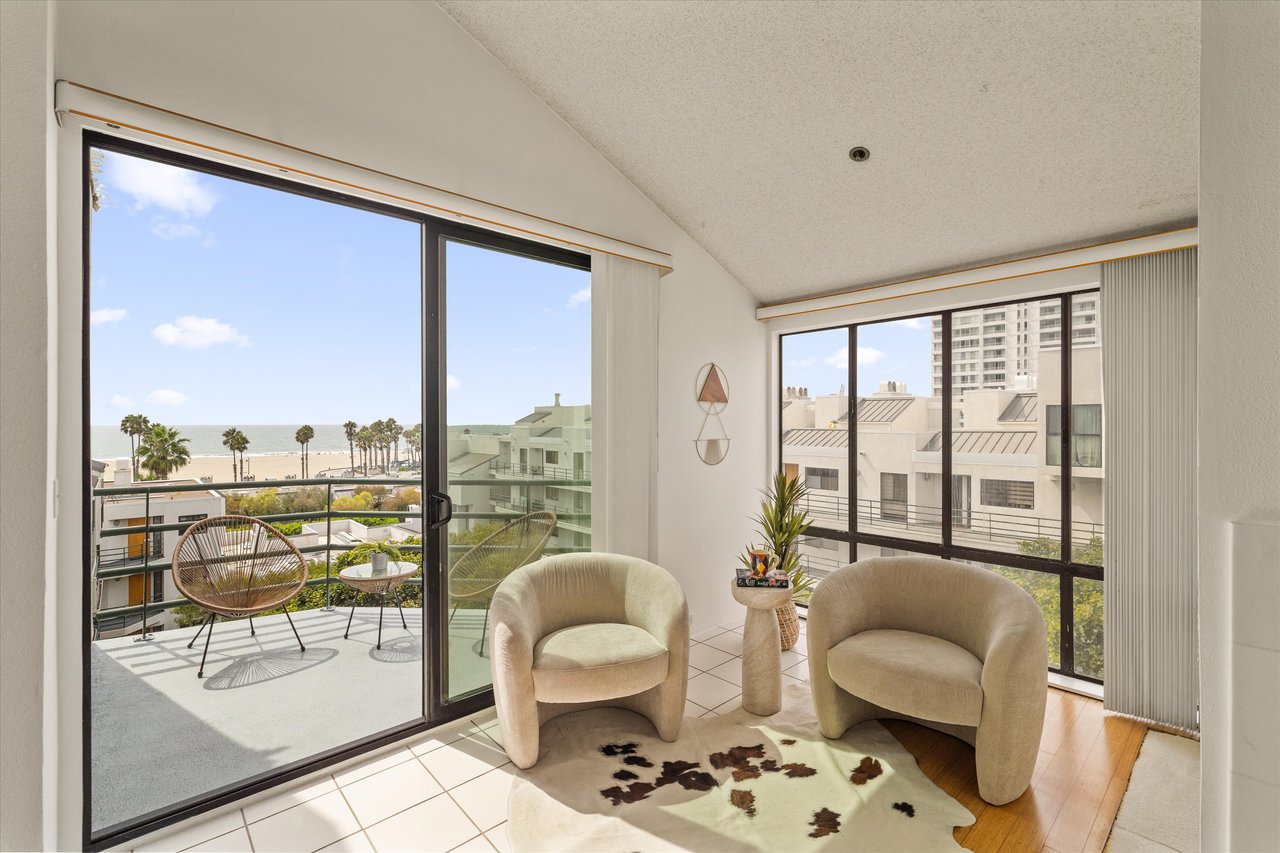
Location and finishes used to dictate condo value. In today’s market, buyer financing, HOA health, and pre-packaged preparation control the sale.

Why Traditional Real Estate Strategy Fails Condo Sellers—and How The Pre-Packaged Condo Sale™ Keeps You in Control.
For most real estate agents and brokerages across Los Angeles, condos are a side business, a handful of deals a year, alongside single-family homes, land, and everythi… Read more

From hidden HOA costs and reserve funds to neighborhood micro-markets, here is what out-of-town buyers need to know before making an offer in WeHo.
You’ve got questions and we can’t wait to answer them.
Get in Touch With Our Team

The Condo Experts
[email protected]
(310) 494-2979
Brian Maser | CA DRE# 1340306
2525 Main St #106
Santa Monica CA 90405