EVERY BUILDING DESERVES A STRATEGY. NOT JUST THE PERFECT ONES.
Why The Condo Experts Work With Distressed, Developing, and Healthy Buildings — and What That Means for You
Here's a sentence I've said more times than I can count — after 700+ transactions, it's still true:
"Most agents only want the easy listings."
I understand why. The easy listing is the one where reserves are funded, documents are current, insurance is clean, and the board has been running meetings properly for years. It goes live. It gets offers. It closes.
But here's what nobody talks about: most buildings aren't that building. Not yet. And many sellers — good people, well-intentioned owners across the Westside and South Bay — are sitting in condos inside buildings that have real issues. Issues that, if they're not addressed before the listing hits the market, will surface in escrow and cost the seller leverage, time, and money.
Most agents see those issues and walk. Or worse — they list the property anyway without telling the seller what's coming.
We don't do either.
THE THREE BUILDINGS WE WORK WITH
After years closing condo transactions from Santa Monica to Manhattan Beach, I've come to see every building through one of three lenses:
PATH A — THE DISTRESSED BUILDING
Low reserves. Outdated CC&Rs. Missing meeting minutes. Insurance gaps. Non-warrantable status. These buildings have real problems — problems that buyers, lenders, and insurers will find. The question isn't whether they'll find them. The question is whether we found them first and built a strategy around them.
For a distressed building, our job is to: → Identify every flag before the listing goes live → Select lenders who work with this building type → Build a price that reflects reality — and attracts the right buyer → Disclose everything clearly so escrow isn't a discovery process → Protect the seller from mid-escrow renegotiations
A distressed building isn't a dead end. It's a transaction that needs a more precise strategy. We build it.
PATH B — THE BUILDING IN PROGRESS
This is the most common building we encounter — from Venice to Redondo Beach. The board is engaged. The community is trying. Reserve funding has improved. But there are still gaps — an overdue inspection, a reserve study that needs updating, a set of meeting minutes with a year's gap — that, if left unaddressed, will become deal friction.
For this building, we come in early. We help close the gaps we can. We build a navigation plan around the ones we can't close in time. And we document the building's progress in a way that communicates to buyers: this community is moving in the right direction.
That narrative adds value. A building trending toward health is more attractive to informed buyers than a building where nobody can explain what's been happening.
PATH C — THE HEALTHY BUILDING
Reserves funded. Documents current. SB-326 compliant. Complete meeting minutes. Professional management. A board that addresses issues and documents resolutions.
This building is transaction-ready before it lists. Our job is to confirm everything, organize it in a format buyers can immediately trust, and position it to command what it's worth.
Buyers in this building confirm information in escrow. They don't discover it. That's a different kind of escrow — calmer, faster, cleaner.
See how we prepare healthy buildings for market.
WHY THIS MATTERS RIGHT NOW
Buyers are more informed than they've ever been. Lenders are more selective. Insurance companies are tightening standards across coastal Los Angeles — and in markets like Santa Monica, Marina del Rey, and the South Bay, some HOAs are finding adequate coverage genuinely difficult to obtain. SB-326 compliance is now a real factor in how buildings are evaluated up and down the Westside and South Bay coast.
This means the gap between a well-organized building and a poorly-organized one is growing — not shrinking. And it means sellers in unprepared buildings are leaving money on the table that better-organized neighbors will capture.
The answer isn't to wait until your building is perfect. The answer is to understand exactly where it is — and build a strategy from that point.
THE INFRASTRUCTURE WE BUILT FOR THIS
PropertyPortal24.com was built specifically to organize building documents, surface material facts, and identify risk — before a transaction forces it into the open. It's available to any HOA board, any realtor, and any seller who wants clarity before they list.
We use it in every engagement. And we've opened it to the broader industry because we believe transparency should be the standard — not a competitive advantage held by one firm.
If you're on an HOA board, it's worth knowing what your building looks like through the document lens before a buyer's agent opens the file in escrow. Start with PropertyPortal24.com.
WHERE DOES YOUR BUILDING LAND?
We're not here to judge buildings. We're here to understand them — completely — and build a strategy from wherever they are.
If you own a condo on the Westside or in the South Bay — whether you're thinking about selling soon, thinking long-term, or just curious what your building's documents actually say — reach out. We'll give you a straight answer.
Tell us where your building is · Learn how PropertyPortal24 works · See our seller process
— Brian Maser The Condo Experts | (310) 494-2979 condosalesexperts.com
For most real estate agents and brokerages across Los Angeles, condos are a side business, a handful of deals a year, alongside single-family homes, land, and everythi… Read more

From hidden HOA costs and reserve funds to neighborhood micro-markets, here is what out-of-town buyers need to know before making an offer in WeHo.

Don't wait for a sale or refinance to discover your building is non-compliant—how proactive condo boards and owners prevent surprise $49K assessments.
Lending shifts, rate pressures, and real market strategy—how 25 years of expertise and pre-lending reviews help your Los Angeles condo succeed.
One week later, condo owners and HOA boards are seeing the new lending rules play out in real time — and the impact on financing, sales, and property values is becomin… Read more
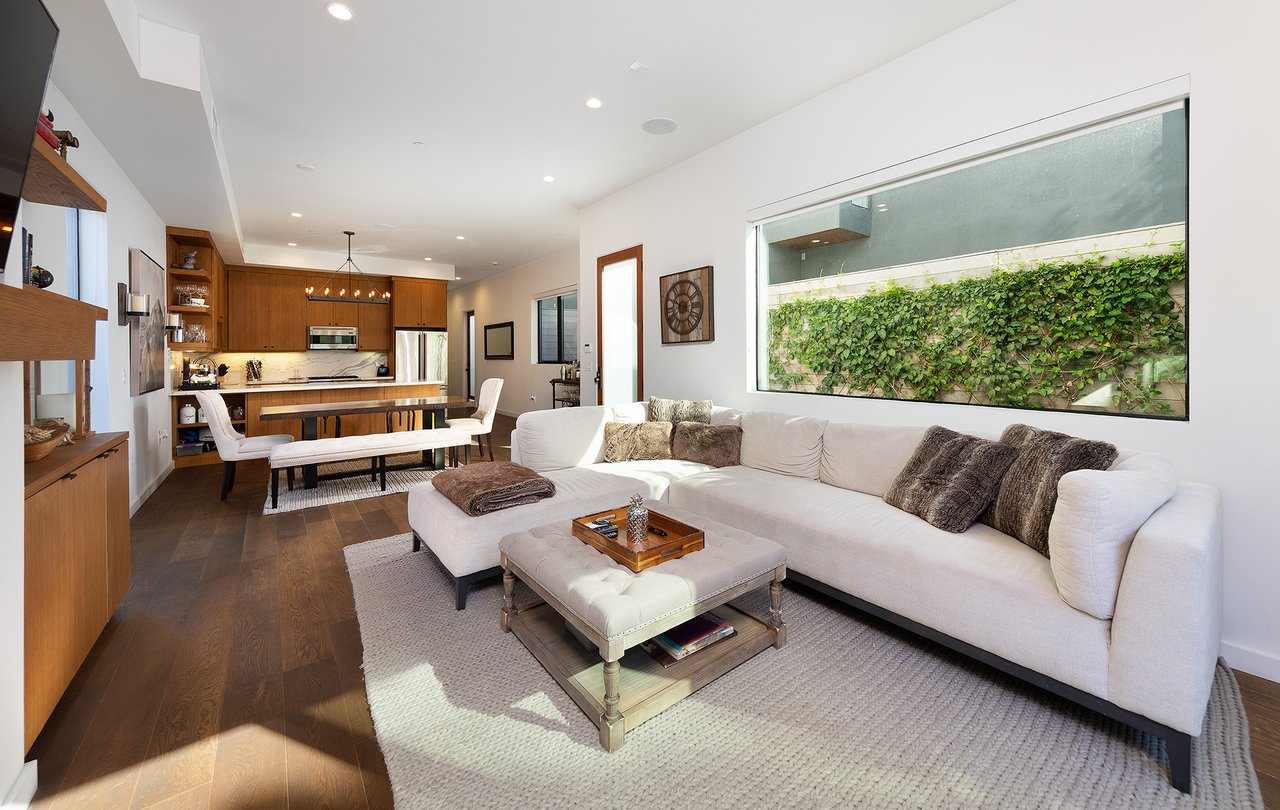
How new condo lending standards impact your property value—and how to check your building's warrantability before listing
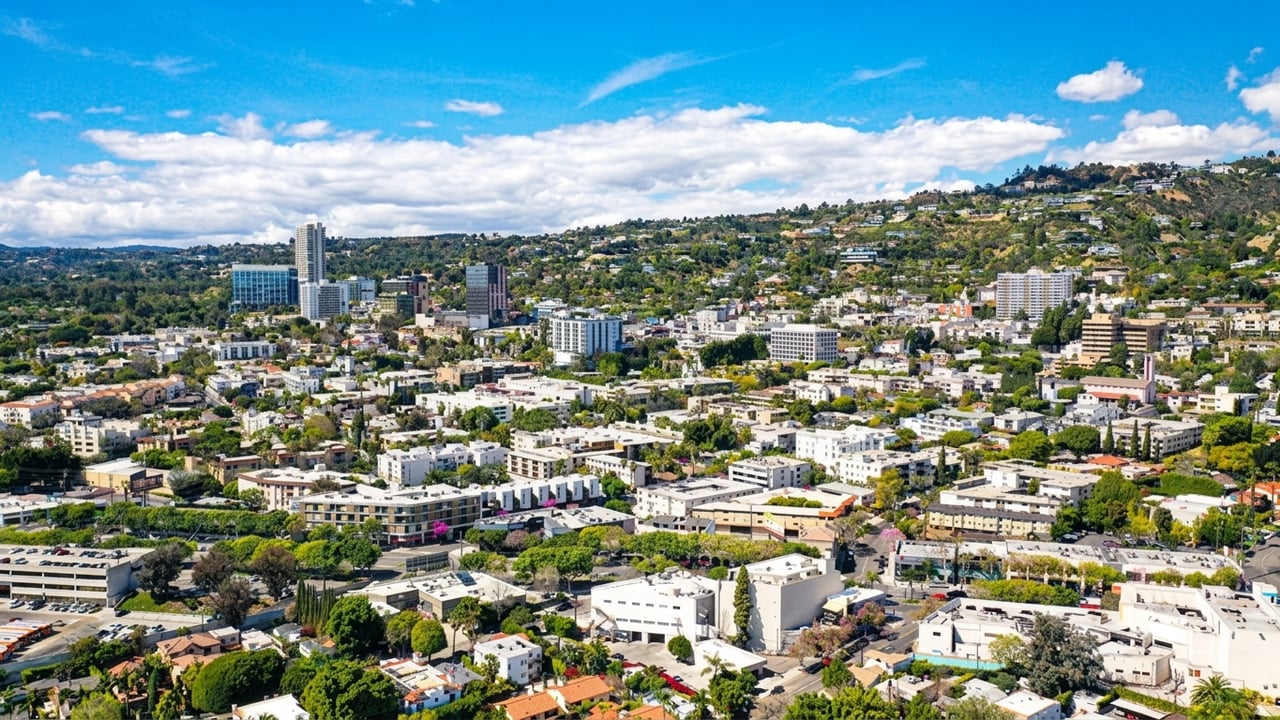
West Hollywood packs an outsized amount of personality into 1.9 square miles. If you're relocating here, chances are a condo is on your shortlist. It's one of the most… Read more
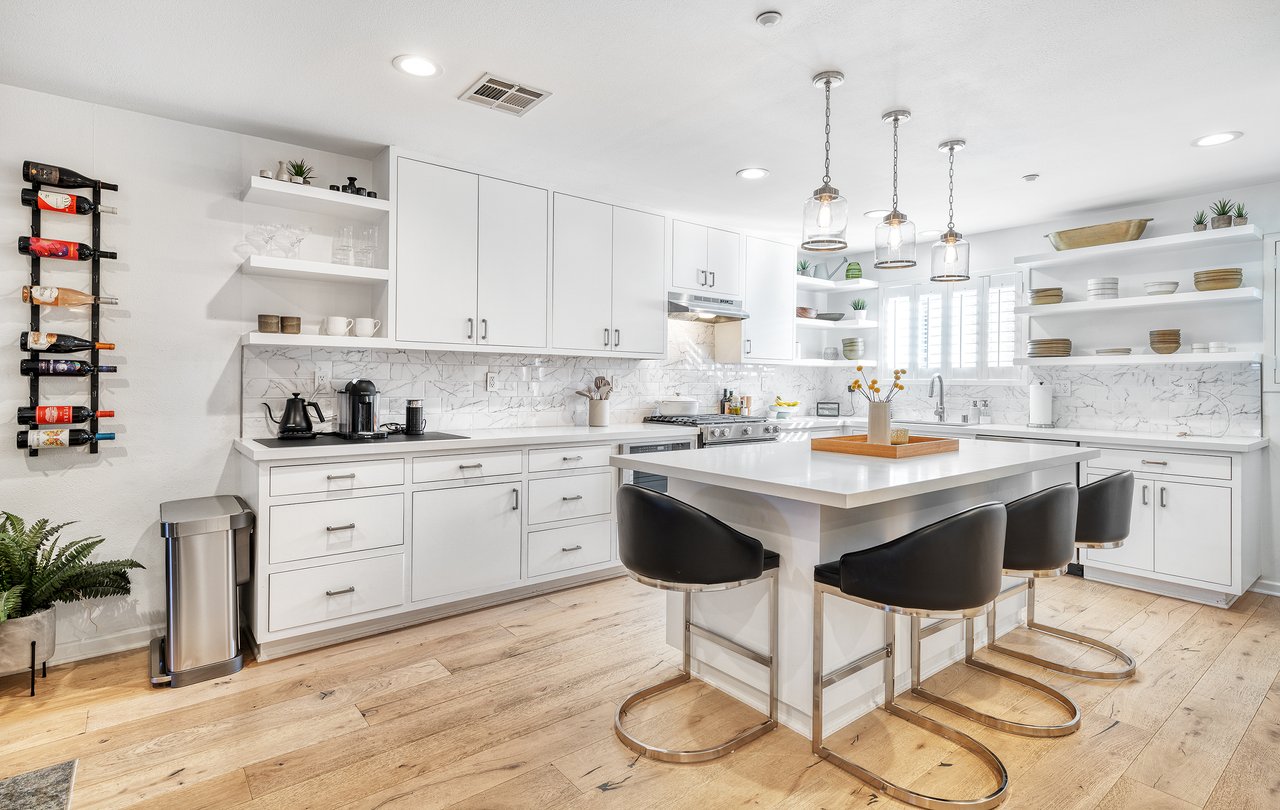
Los Angeles Condo Market Update: Westside Los Angeles, South Bay & West Hollywood
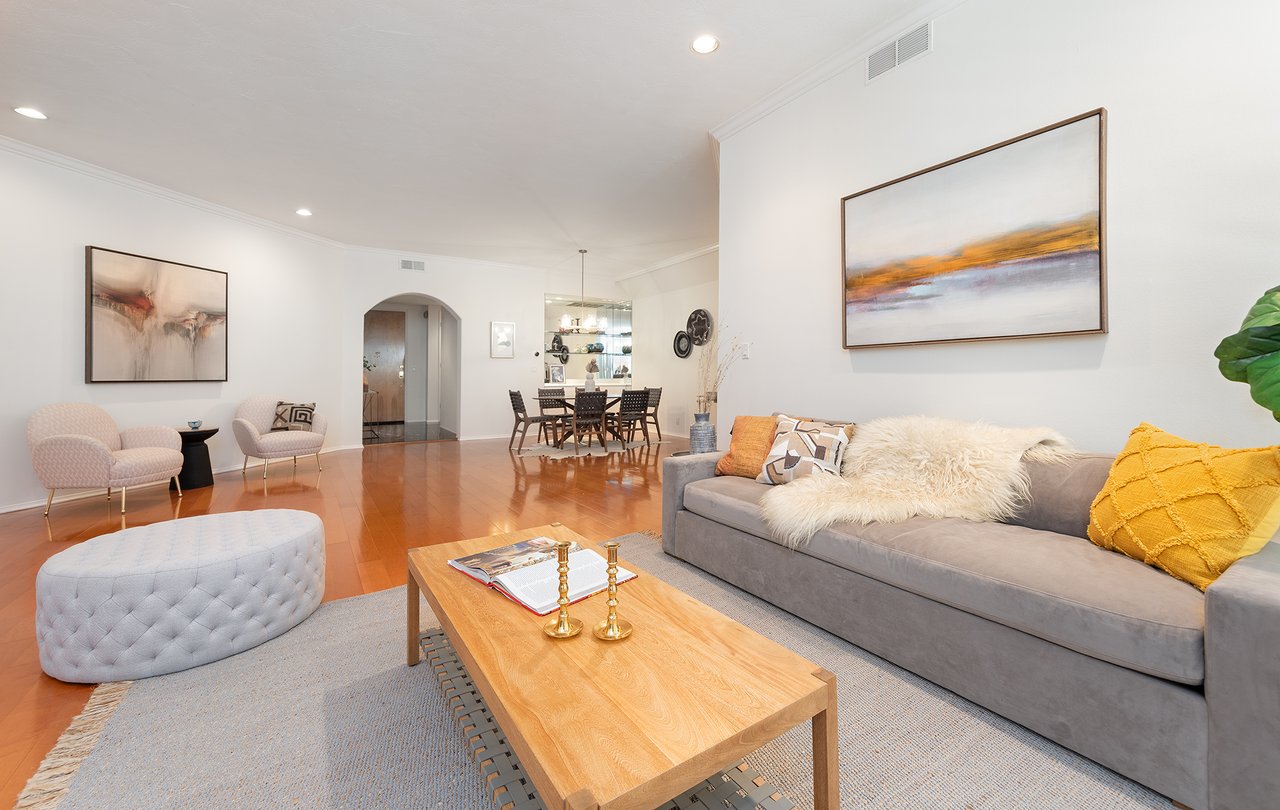
The biggest change to condo financing in a decade took effect August 3, 2026. Here's the definitive, plain-English guide — what changed, when, and exactly how it works… Read more
You’ve got questions and we can’t wait to answer them.
Get in Touch With Our Team

The Condo Experts
[email protected]
(310) 494-2979
Brian Maser | CA DRE# 1340306
2525 Main St #106
Santa Monica CA 90405