Most Condo Buildings Aren’t Ready To Sell. Every Owner Pays The Price When They’re Not.
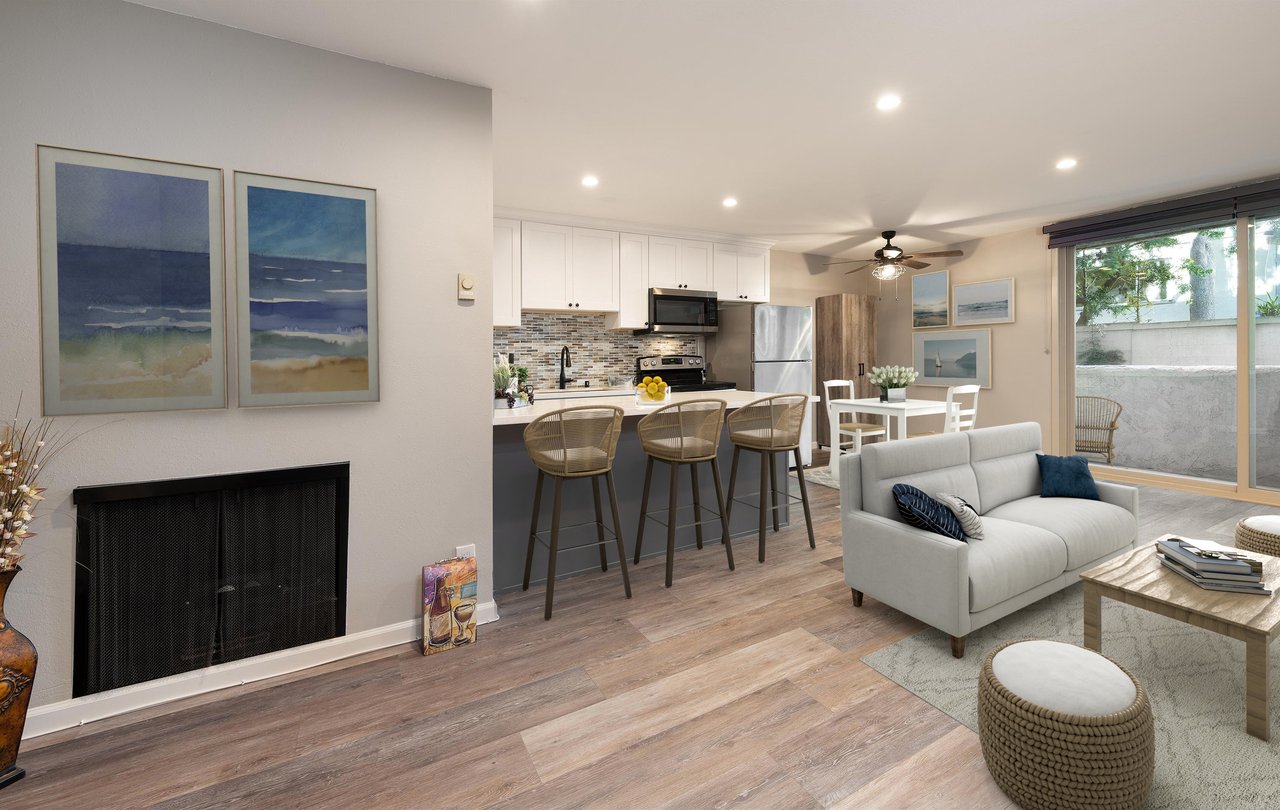
How Building Compliance and Organization Protect Values for Every Condo Owner in the Complex — Not Just the One Who's Selling
INTRODUCTION
Here's the truth about most condo buildings in Los Angeles right now:
They are not ready.
Not organized. Not compliant. Not prepared for what buyers, lenders, and insurers will look for the moment a unit goes to market.
After 25 years and 700+ condo transactions, I've reviewed more HOA document packages than I can count. And what I find — routinely, across buildings throughout Santa Monica, Venice, Mar Vista, Redondo Beach, and Manhattan Beach — is the same set of problems that nobody inside the building knew was there.
Underfunded reserves. Overdue compliance inspections. Insurance policies with gaps lenders won't accept. Meeting minutes full of deferred decisions that paint an unflattering picture of how the building is run.
None of it is hidden. It's all in the documents. It's just that nobody looked.
Here's what happens when nobody looks:
A seller lists their unit. Strong offer comes in. Escrow opens. The HOA documents arrive. And right there — in the middle of a live transaction, with real earnest money and real momentum — the deal starts to unravel. The lender flags the reserve study. The buyer's agent asks about a repair that's been in the minutes for two years. The seller, who was 10 days from closing, is now renegotiating a deal they thought was done.
That's where leverage disappears. Not at the negotiating table. In escrow — over problems that were entirely preventable.
We're not writing this to alarm anyone. We're writing it because most buildings can fix these things — and when they do, it benefits every single owner in the complex, not just the one who happens to be selling.
That's the whole point.
WHERE DEALS ACTUALLY BREAK DOWN
Most people assume a condo deal falls apart over price. In our experience, that's rarely where the real friction lives.
The friction lives in the building.
In escrow, buyers and their lenders receive the HOA document package: the reserve study, meeting minutes, financials, insurance certificate, CC&Rs, and any pending litigation or assessments. For the first time in the transaction, everyone stops and reads what the building is actually saying about itself.
What they find — routinely, across buildings throughout the Westside and South Bay — falls into a predictable set of categories:
RESERVE FUNDING The reserve study tells buyers and lenders how prepared the building is financially for future repairs. Less than 30% funded is a lender red flag. Less than 50% puts buyers on alert. We see buildings in the 15–25% range regularly — and their sellers don't know it until escrow opens.
HOA MEETING MINUTES Minutes are a window into how a building is being run. Deferred maintenance items that appear meeting after meeting, unresolved structural conversations, board dysfunction, or spending decisions that don't make sense — all of it is visible to a trained reader. Buyers notice. Their agents notice. And it changes how they feel about the purchase.
INSURANCE The master policy needs to meet lender requirements. Exclusions, gaps, or a building that has cycled through carriers recently signal risk. We've watched financing fall apart, specifically over insurance issues that were entirely fixable — if someone had looked at the policy before the listing.
WARRANTABILITY Owner-occupancy ratios, delinquency rates, pending litigation, commercial space percentages — lenders run this check during escrow. A building that fails warrantability loses access to conventional financing. Buyers either walk or scramble for alternative financing at worse terms. Either way, the seller pays.
SB-326 COMPLIANCE California's mandatory balcony and elevated structure inspection law has a hard deadline for HOA-managed buildings. Buildings that are non-compliant are now actively flagged in transactions. Buyers and their agents know to ask. And if the answer isn't clean, it creates leverage they didn't have before the documents arrived.
THE SHARED STAKE EVERY OWNER HAS IN THEIR BUILDING
Here's the part of this conversation that doesn't get said enough:
When your neighbor sells their unit, your building's condition is directly responsible for how much they net.
Not the market. Not their staging. Not even their list price.
The building.
A prepared, organized, compliant building means: → Documents are ready and clear — no scrambling, no surprises → The lender moves quickly — no conditions, no delays → The buyer stays confident through escrow — no cold feet, no renegotiating → Contingencies are removed fast — we regularly see 7-day removals in fully prepared transactions → Repair requests drop to near zero — everything was already known and disclosed → The seller closes at or above asking
An unprepared building means something very different: → Documents arrive disorganized, incomplete, or contradictory → The lender adds conditions — or flags warrantability and pauses everything → The buyer discovers problems they didn't know existed — and their confidence shifts → Renegotiation starts. Price reductions. Repair credits. Extended timelines. → Sometimes the deal falls apart entirely — and the building's comp record takes the hit
That comp record matters. When your neighbor sells at a reduced price because of building issues, it becomes the comparable sale that affects your unit's value next.
This is a shared financial stake. Every owner in the building has it. Most just don't think about it until a transaction is already in trouble.
WHAT A WELL-RUN, PREPARED BUILDING LOOKS LIKE
We've been inside hundreds of buildings across Los Angeles. The ones that transact cleanly — the ones where sellers net more, close faster, and deal with fewer headaches — consistently share the same characteristics:
✓ Reserves funded at 70% or better — the building can handle what's coming without special assessments ✓ SB-326 inspections completed, documented, and on file ✓ Master insurance policy current, compliant, and without problematic exclusions ✓ HOA meeting minutes that reflect an active, organized board making forward-looking decisions ✓ Financials clean — dues current, delinquency low, no hidden assessments or unresolved litigation ✓ Governing documents current, accessible, and easy to hand off in a transaction
When all of this is in order, something important happens: the building stops being the story in escrow. The unit is the story. The buyer stays focused on what they're buying, not what they might be inheriting.
That's the environment that produces strong transactions. And it doesn't happen by accident.
THE DUTY — AND THE OPPORTUNITY — FOR EVERY BUILDING
We believe organized, compliant buildings are the future standard for condo ownership in LA. Not because it's a nice idea. Because the market is demanding it.
Buyers are more informed than they've ever been. Lenders have tightened. Insurers have tightened. And the gap between a well-run building and an unprepared one is showing up directly in transaction outcomes — whether you're selling in Culver City, Playa Vista, or Hermosa Beach.
If you own a condo, this isn't just about your eventual sale. It's about the value environment you live in right now. Every sale in your building — good or bad — shapes the comp record that defines your equity.
If you're on an HOA board, this is about your responsibility to every owner in your building. Organized governance doesn't just make administration easier. It protects the financial interests of every person who owns a unit under your watch.
The question worth asking is simple:
Does our building look the way buyers, lenders, and insurers expect it to look?
If you don't know the answer — that's exactly where we start.
PROPERTYPORTAL24.COM — BUILT FOR THIS PROBLEM
After 25 years of watching the same document chaos cause the same escrow problems, we built the solution ourselves.
PropertyPortal24.com is the transaction intelligence platform purpose-built for condo and townhome buildings. Not generic software. A system designed specifically around how HOA documents affect transactions — built by someone who has been inside 700+ of them.
What it does: → Organizes all HOA documents in one structured, accessible place — no more scrambling during escrow → Surfaces material facts automatically — the items that matter to buyers, lenders, and insurers → Flags risks before they become mid-escrow discoveries → Creates clear buyer-facing summaries that build confidence before an offer is written → Creates seller-facing reports so owners understand their building's position before going to market
PropertyPortal24.com is not just for our clients. Any HOA board can start using it today. Any realtor — buyer's agent, seller's agent, or property manager — can use it on any transaction. If you manage a building and want it organized and ready, this is the infrastructure to do it.
We built it because the market needed it. We're making it available to everyone because prepared buildings benefit every owner, every buyer, and every transaction they touch.
Learn more and get started at PropertyPortal24.com
The deals we watch fall apart in escrow are not complicated. They're predictable. The same issues. The same documents. The same leverage is lost at the same moment — when problems surface that should have been resolved long before the listing went live.
We're not interested in reacting to those problems. We're interested in eliminating them before they exist.
If you own a condo on the Westside or in the South Bay — whether you're thinking about selling or not — this is the conversation worth having now.
Let's look at your building. We'll tell you exactly where it stands, what a buyer, lender, or insurer would find, and what — if anything — needs attention before the next transaction touches your complex.
No cost. No pressure. Just clarity.
Schedule a no-cost Building Review · Learn about the Pre-Packaged Condo Sale™ · Get your building organized with PropertyPortal24.com

Evaluating cash flow, assessment risks, and lender guidelines to make the right move in the Los Angeles condo market.

Lender tightening, non-warrantable risks, and reserve rules—what Los Angeles condo owners must do now to protect property values.
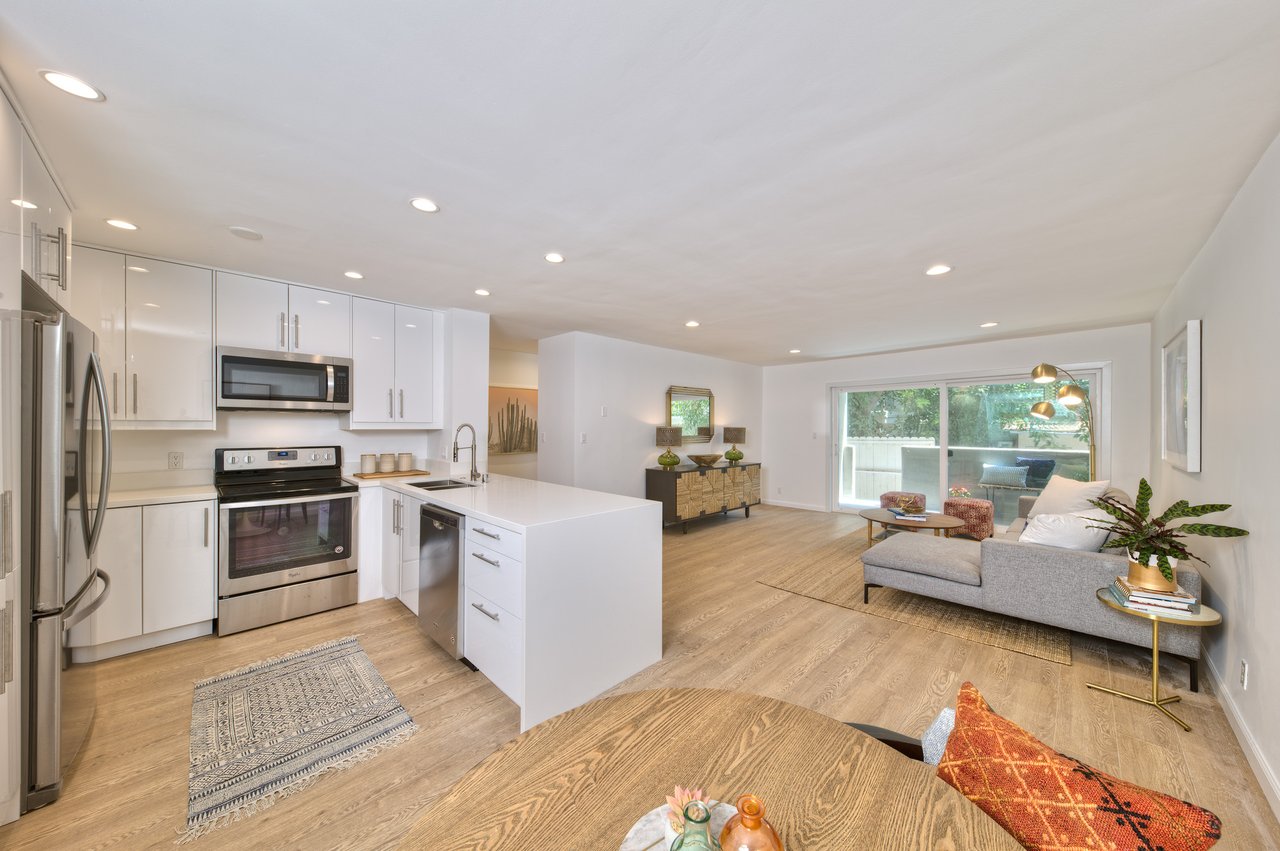
Exceptional condos are setting records. Good condos are getting cut. The difference is how much the buyer knows.
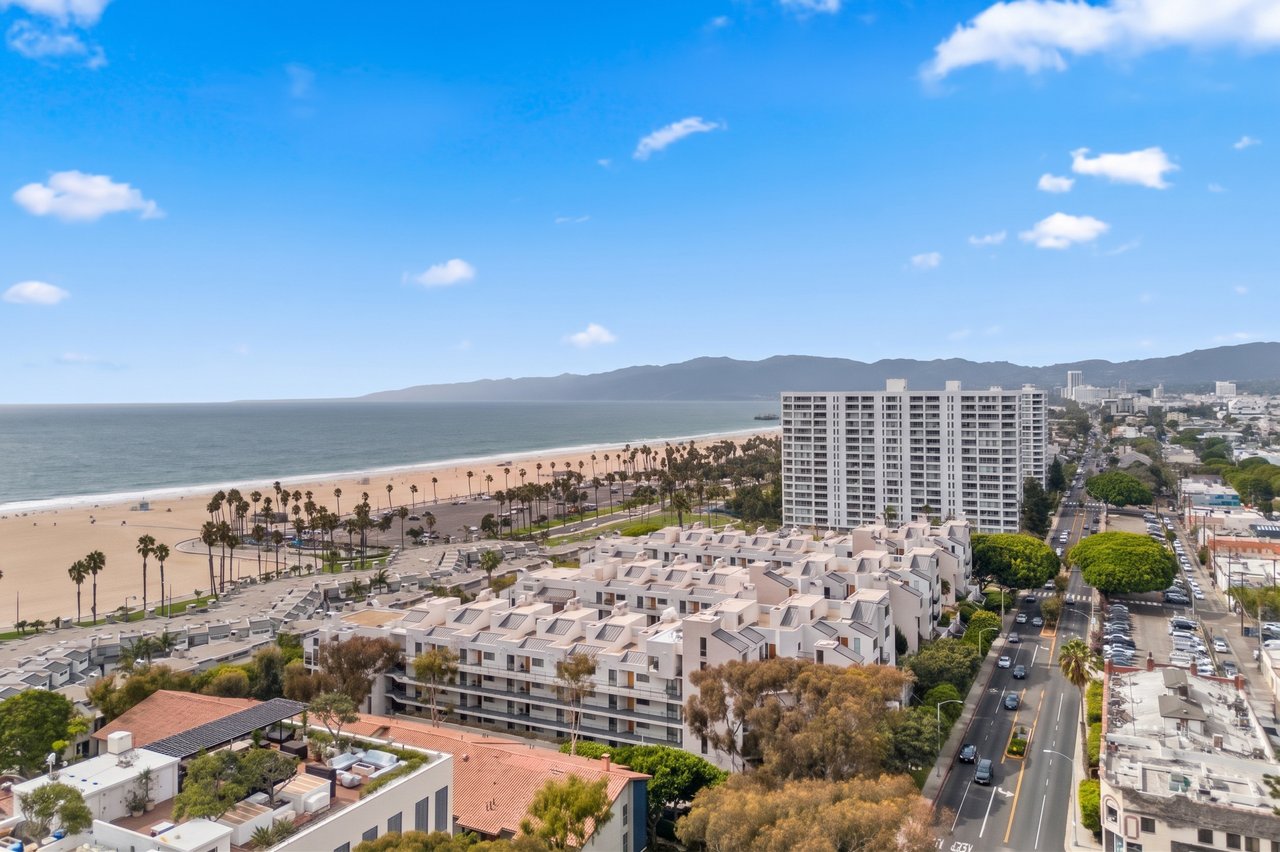
How stricter lending standards, reserve rules, and building warrantability are impacting Los Angeles condo sales and property values.
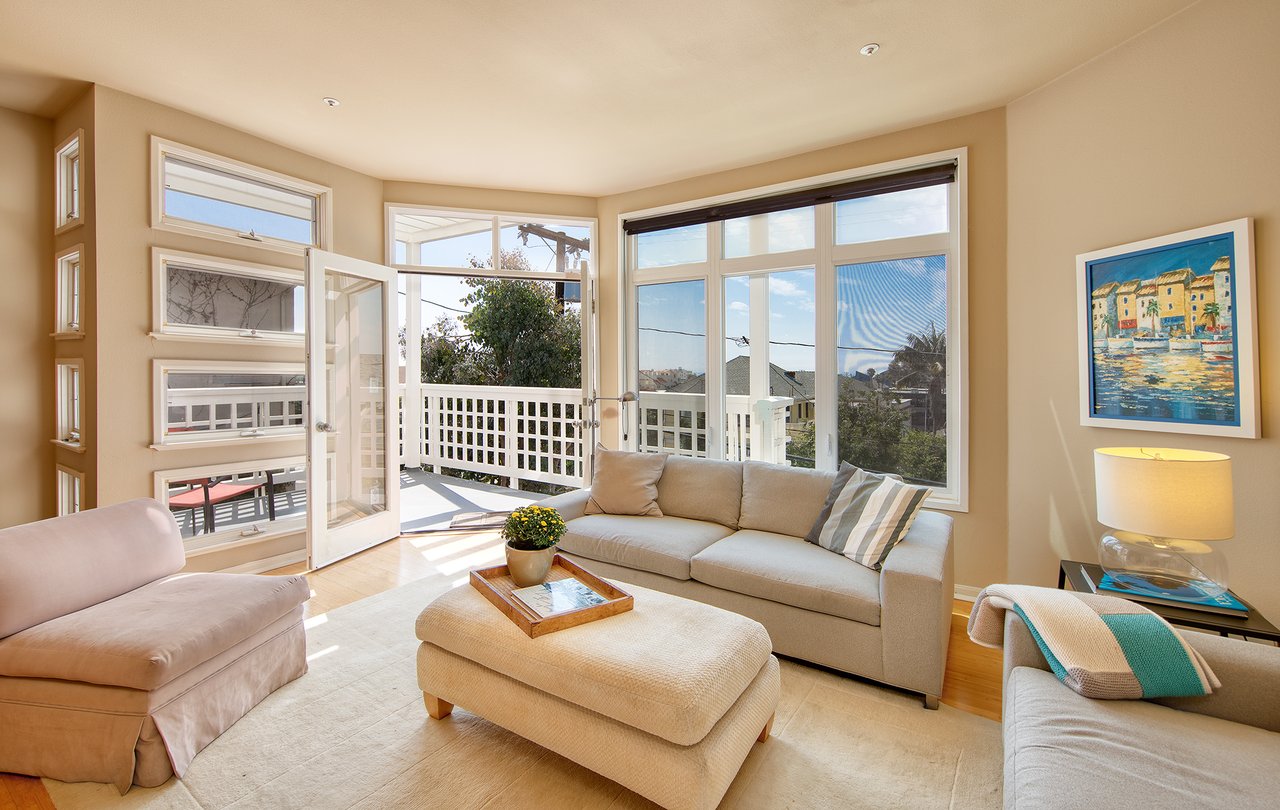
From SB-326 compliance to HOA reserve health—why building quality dictates condo values across West Hollywood right now.
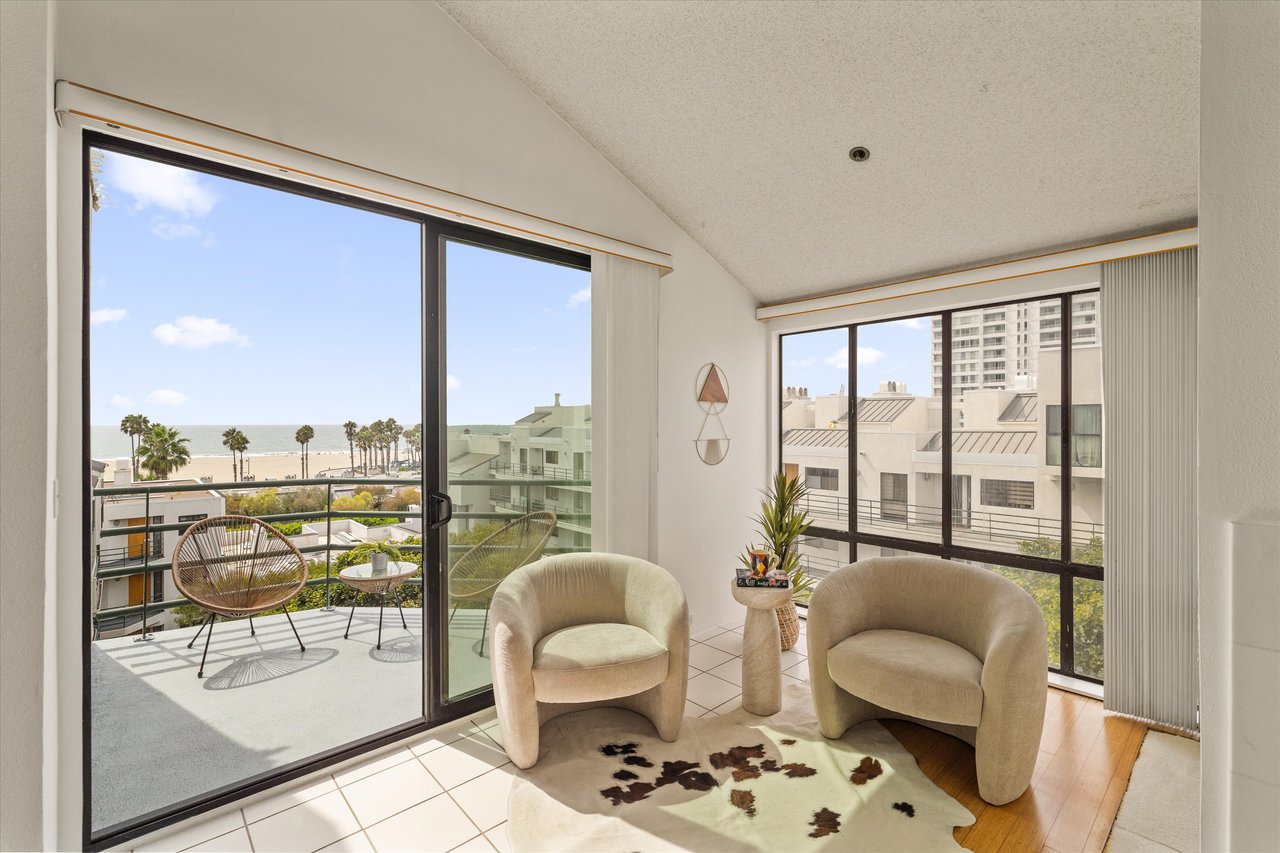
Location and finishes used to dictate condo value. In today’s market, buyer financing, HOA health, and pre-packaged preparation control the sale.

Why Traditional Real Estate Strategy Fails Condo Sellers—and How The Pre-Packaged Condo Sale™ Keeps You in Control.
For most real estate agents and brokerages across Los Angeles, condos are a side business, a handful of deals a year, alongside single-family homes, land, and everythi… Read more

From hidden HOA costs and reserve funds to neighborhood micro-markets, here is what out-of-town buyers need to know before making an offer in WeHo.
You’ve got questions and we can’t wait to answer them.
Get in Touch With Our Team

The Condo Experts
[email protected]
(310) 494-2979
Brian Maser | CA DRE# 1340306
2525 Main St #106
Santa Monica CA 90405