The Condo Market Is No Longer About Units. It's About Buildings.
THE PLAIN TRUTH
The market is not weak. It is selective. Across the Westside and South Bay, well-priced condos are still trading and values are holding. What's changed is what the Los Angeles condo market is selecting for. It's no longer just choosing between units. It's choosing between buildings — and starting this summer, lenders and insurers are the ones doing the choosing.
THE SIMPLE VERSION
Buy a single-family house and the bank evaluates one thing: you. Buy a condo and the bank opens two files — yours, and the building's. Your credit, income, and down payment are only half the decision. The other half is the HOA: its reserves, its insurance, its financials, its paperwork. You can be perfectly qualified and still not get the loan, because the building didn't pass its half of the review.
When a building passes, it's "warrantable" — full access to the conventional financing most buyers use. When it fails, it's "non-warrantable," and that status applies to every unit in it, for every kind of loan: a sale, a refinance, a HELOC. One building problem, and every owner feels it.
THE URGENT PART
Two changes are landing at once. First, Fannie Mae and Freddie Mac are narrowing the "limited review" shortcut that used to let established buildings skip the full project file. More buildings are now pulled into full review, with an August 3rd deadline in focus and some lenders adopting the stricter standard early. The documents lenders want haven't changed. What's changed is how fast a building has to produce them, on the lender's clock, with little warning.
Second, California's insurance market is hardening. Master policies are harder to place, more expensive, and carrying bigger deductibles. And inadequate or lapsed insurance is itself one of the fastest ways a building loses financing. The bank and the insurance company have quietly become the sharpest, most honest test of how well a building is actually run.
Want to know where your building stands? Let's talk.
Here's the plain-language version of what they're checking.
Some issues can disqualify a building outright: an unresolved structural or safety problem, a special assessment for major repairs with no plan to pay for it, lapsed or inadequate insurance, an HOA that can't pay its bills, hotel-style short-term rentals, or active structural litigation.
Others invite scrutiny without being automatic dealbreakers: dues delinquency above 15%, no current reserve study, reserves funded below roughly 10% of the budget, or one owner controlling too much of the building. A "yes" in the first group means financing is at risk right now. A "yes" only in the second means you're not in trouble yet — but you're one bad year from it.
THE PART THAT SHOULD GET YOU EXCITED
This is genuinely good news for a well-run building. When everything is known, everything works. A building with funded reserves, current insurance, completed inspections, and organized documents doesn't just pass review — it outperforms its own neighborhood. Faster closings. A full buyer pool. Pricing that holds while less-prepared buildings nearby get discounted or sit waiting for a loan that won't come through.
Prepared buildings win. That's the whole thesis, and this summer's rule changes make it literal. The good news is that none of this is hard to fix — it's a known list, checked against a known standard. A building that assembles its file once passes every review after that, for every owner. On the lender's timeline instead of scrambling to meet it.
We're working with bank and insurance partners specifically so HOA boards and owners can get ahead of this — building the file, finding the gaps, and fixing them before a lender ever asks. If you want to know whether your building is warrantable today, or what it would take to get there, let's review it. Send us your reserve study, budget, insurance declarations, and recent meeting minutes, and we'll tell you plainly where you stand. Let's connect.
Los Angeles Condo Market Update: Westside Los Angeles, South Bay & West Hollywood
The biggest change to condo financing in a decade took effect August 3, 2026. Here's the definitive, plain-English guide — what changed, when, and exactly how it works… Read more

Proprietary condo and townhome data from The Condo Experts — answering the questions buyers, sellers, and owners are actually asking about the Los Angeles condo market… Read more
The most common thing we hear right now is "I'll test the market and see." Here's why that's the wrong question — and how to actually know when you're ready to sell or… Read more
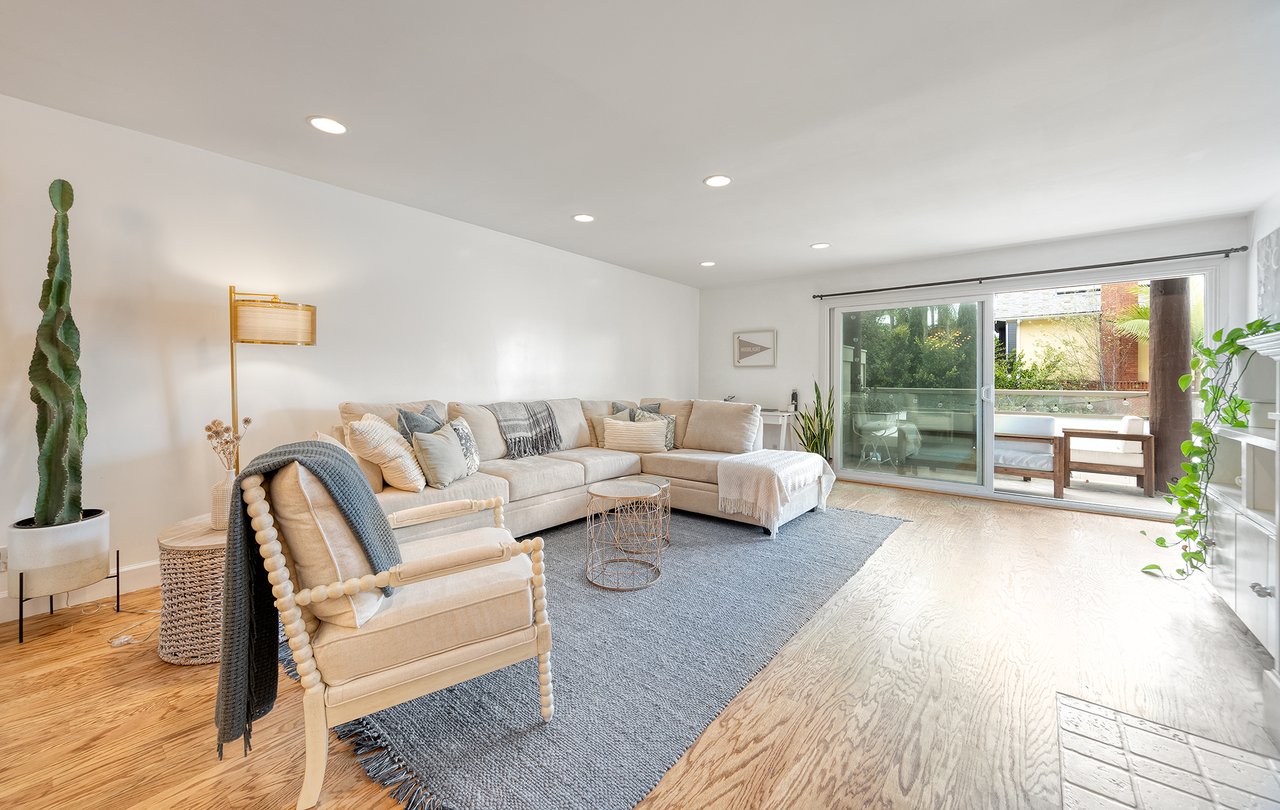
Everyone else sells houses and treats condos like houses with extra paperwork. Twenty-five years ago we put the condo owner first — and in the hardest market in two de… Read more
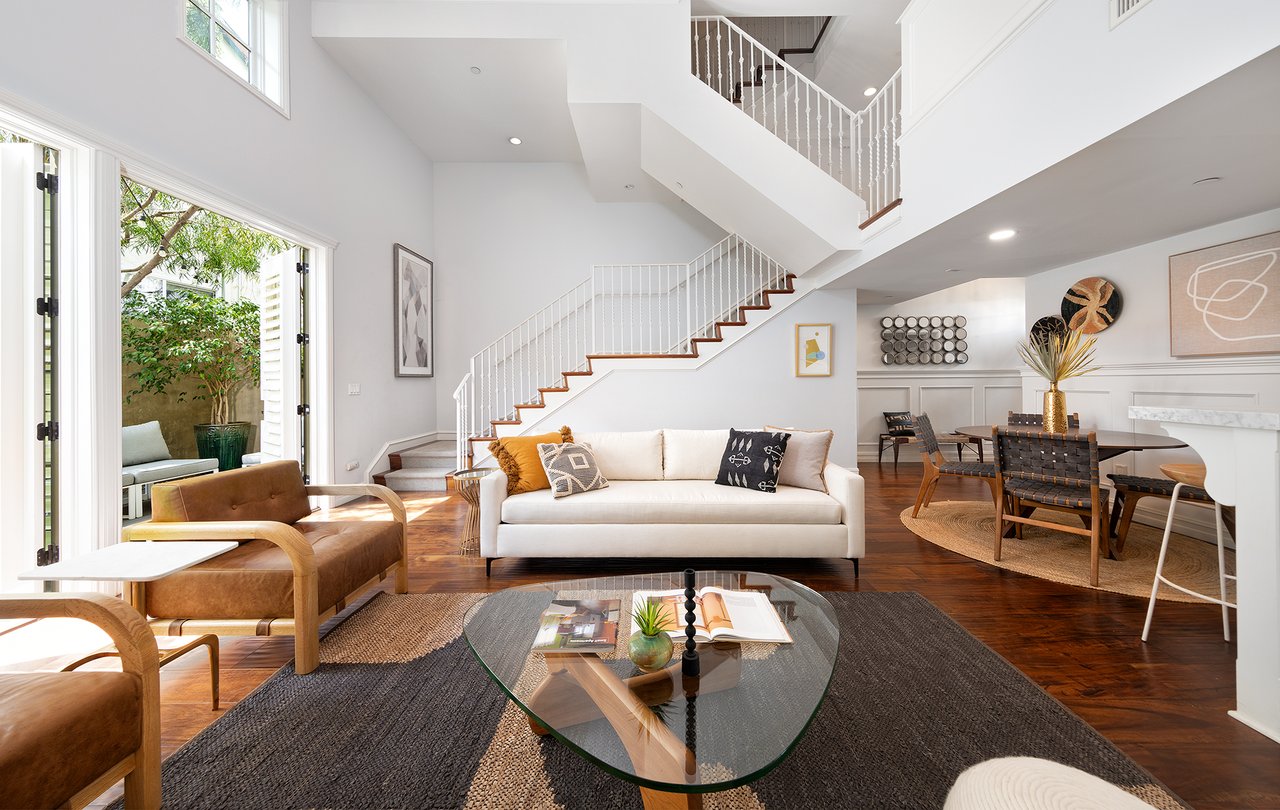
A real look at what our Pre-Packaged process actually catches, using deals we closed on the Westside this year — before the new lending rules made these problems far h… Read more
New lending and insurance rules are landing this summer. They're about to decide which buildings sell easily and which ones struggle.
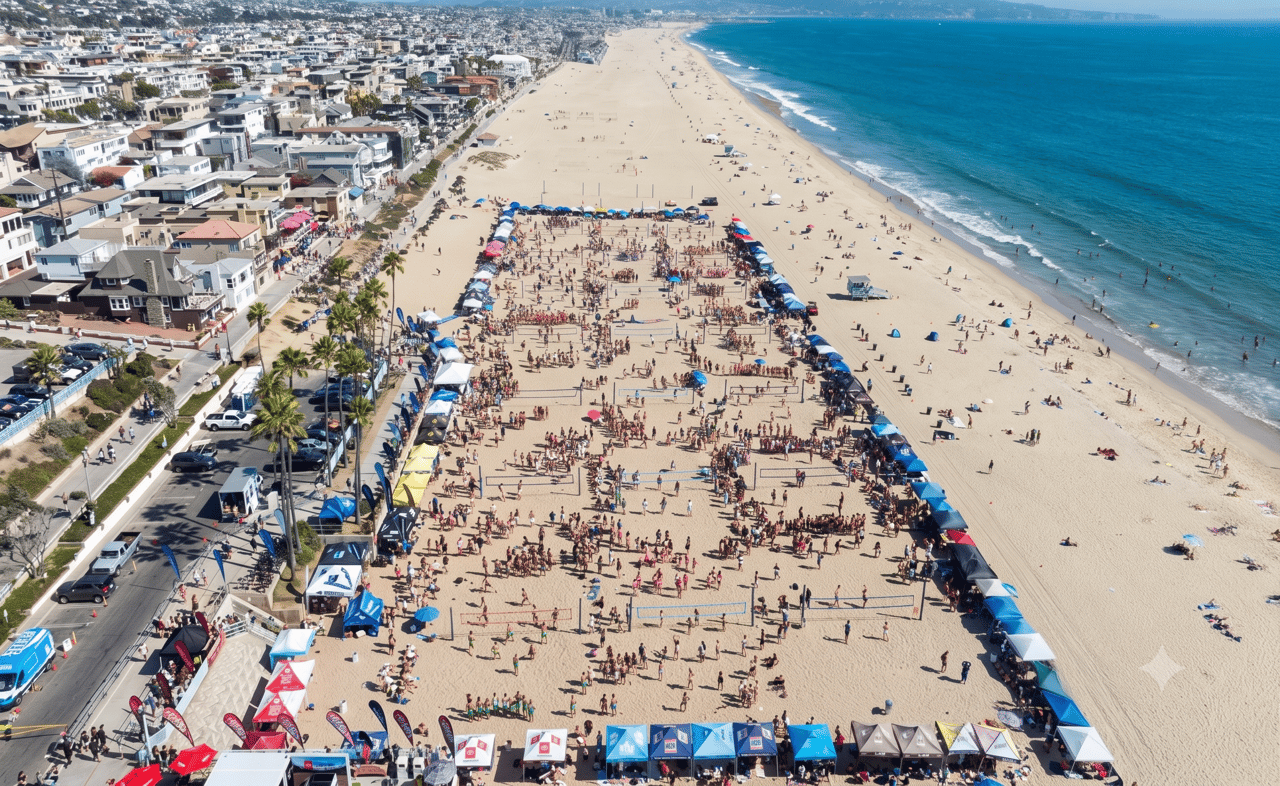
How a deeply rooted surf and volleyball heritage keeps the South Bay’s real estate market grounded, authentic, and uniquely stable.
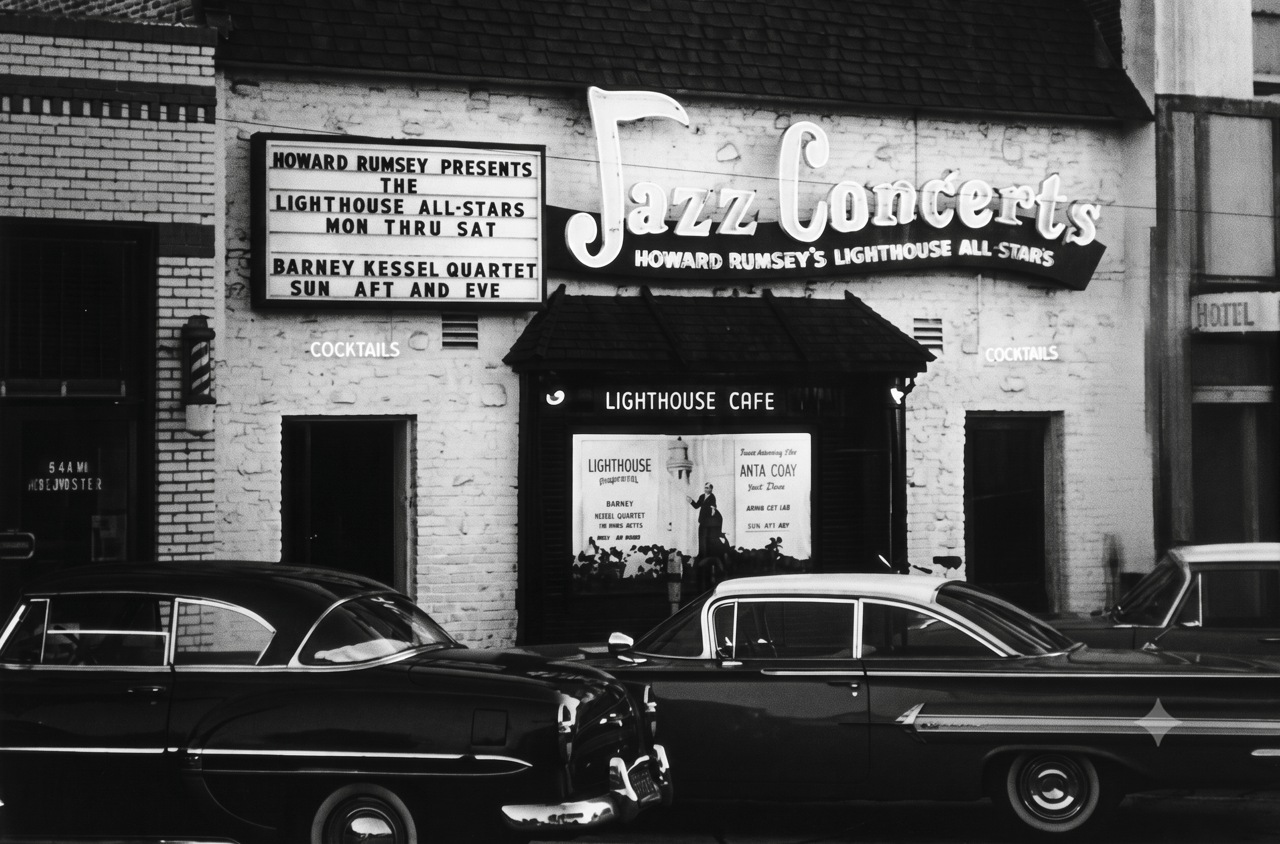
Beyond the Square Footage: Why the Vibrant Local Music Scene is the True Heart of South Bay Living
You’ve got questions and we can’t wait to answer them.
Get in Touch With Our Team

The Condo Experts
[email protected]
(310) 494-2979
Brian Maser | CA DRE# 1340306
2525 Main St #106
Santa Monica CA 90405