The Beach Culture That Didn’t Get Priced Out
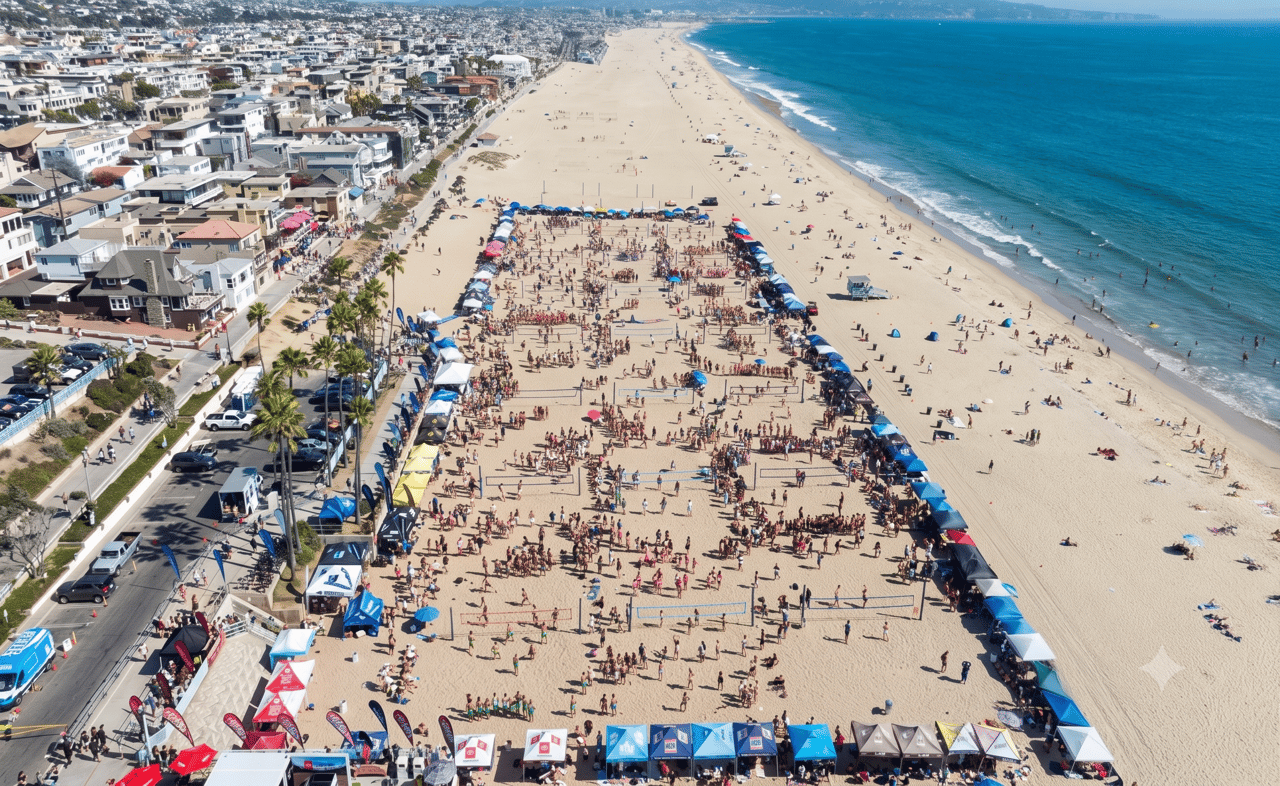
By Garlin Smith | The Condo Experts | Redondo Beach, CA
Here’s something I’ve watched happen in a lot of California beach communities: real estate prices go up, the demographics shift, the authenticity gets slowly replaced by a kind of lifestyle performance, boutique shops, expensive restaurants, people who moved here for the brand of the zip code rather than the thing that created it.
The South Bay has felt some of that pressure. But it’s held on to something most beach communities haven’t, a surf and volleyball culture so deeply woven into daily life that it’s proven harder to price out than almost anything else.
These aren’t amenities or activities here. They’re identity, often passed down through generations.
The Surf: Rocky Reefs to Beach Breaks
Growing up in the midwest and moving to SoCal after college, I quickly transitioned from football, baseball, and soccer to surfing, snowboarding, and beach volleyball, and it remains one of the things I find most grounding about living here.
The South Bay surf scene has remarkable range. On the south end, the Palos Verdes cliffs produce rocky reef breaks, more challenging, more localized, beloved by surfers who’ve been riding them for decades and don’t particularly advertise the fact. These are spots where knowledge of the ocean floor matters as much as the board you ride.
Moving north, the expansive beach breaks offer varying surf. South Redondo, just below North Redondo Beach, through Hermosa, into Manhattan Beach, and up to El Porto at the northern end: each stretch has its own personality, its own crowd, its own conditions. El Porto is the most storied of the beach breaks, known for its consistent peaks and its own local vibe that dates back generations. On a good south swell, you can find everyone from groms to retired teachers in the water at the same break, which is about as South Bay as it gets.
Year-round, the ocean here is dotted with local surf clubs, high school surf teams, Costa and Redondo, surf schools and camps like CampSurf, local contests by South Bay Boardriders, and plain old locals who’ve been paddling out to the same spot since before most of their neighbors were born.
That culture doesn’t maintain itself by accident. It gets passed down, parents to kids, older locals to younger ones, at surf contests and in parking lots and in the water itself.
The Volleyball: Where the Sport Was Born
Manhattan Beach is widely recognized as the birthplace of beach volleyball. That’s not marketing, it’s history. The sport developed on these courts in the early 20th century, grew through the decades into an Olympic discipline, and produced a lineage of professional players that runs from the courts at the base of the Manhattan Beach Pier through to the international stage.
On any given weekend, those same courts are occupied by a mix of professionals, serious amateurs, recreational players, and people who’ve been showing up on Saturday mornings for so long the court feels like their living room. The level of play visible on any random afternoon at the MB courts is genuinely striking. This is a place that takes volleyball seriously in a way that’s hard to fully explain until you’ve watched it.
And then there’s the 6-Man.
The Charlie Saikley 6-Man Tournament
The Charlie Saikley 6-Man Beach Volleyball Tournament has been running since 1974, founded by the man they called the “Godfather of Beach Volleyball.” It takes place at the Manhattan Beach Pier every summer as part of the International Surf Festival weekend, and it is, without question, one of the most distinctly South Bay events on the annual calendar.
Six-person teams. Elaborate costumes. Competitive volleyball mixed with spirited revelry. The tournament draws an estimated 70,000 visitors over its two-day run, which is why, by 2009, it had become rowdy enough that the city council moved it off the weekend to try to manage the crowd. (It didn’t entirely work. The 6-Man is what it is.)
Teams come back year after year in the same costumes, competing against the same rivals, maintaining traditions that go back decades. It’s one of the few sporting events I can think of that genuinely doesn’t care whether you’re a competitive player or just there for the atmosphere — both are equally valid.
Why This Matters
Real estate is about more than property. It’s about the life that surrounds it. And the surf and volleyball culture in the South Bay, the early mornings in the water, the weekend courts, the 6-Man, the high school teams, the older locals who’ve been doing this since before the condos went up, is a genuine piece of the quality of life here that doesn’t show up in any listing description.
It’s also a stabilizing force. Neighborhoods with deep cultural identity hold their character through market cycles in ways that neighborhoods without it don’t. People don’t just move to the South Bay for a price point. They move here for the thing itself. And for buyers looking at condos in North Redondo Beach, nearly all of it, the surf breaks, the volleyball courts, the 6-Man, is within a short bike ride.
After 40 years, that’s still the thing.
Garlin is a 40+ year South Bay local resident and homeowner, and HOA/condo/townhome specialist at The Condo Experts, serving Redondo Beach and all of the South Bay.
Why Traditional Real Estate Strategy Fails Condo Sellers—and How The Pre-Packaged Condo Sale™ Keeps You in Control.
For most real estate agents and brokerages across Los Angeles, condos are a side business, a handful of deals a year, alongside single-family homes, land, and everythi… Read more

From hidden HOA costs and reserve funds to neighborhood micro-markets, here is what out-of-town buyers need to know before making an offer in WeHo.

Don't wait for a sale or refinance to discover your building is non-compliant—how proactive condo boards and owners prevent surprise $49K assessments.
Lending shifts, rate pressures, and real market strategy—how 25 years of expertise and pre-lending reviews help your Los Angeles condo succeed.
One week later, condo owners and HOA boards are seeing the new lending rules play out in real time — and the impact on financing, sales, and property values is becomin… Read more
How new condo lending standards impact your property value—and how to check your building's warrantability before listing
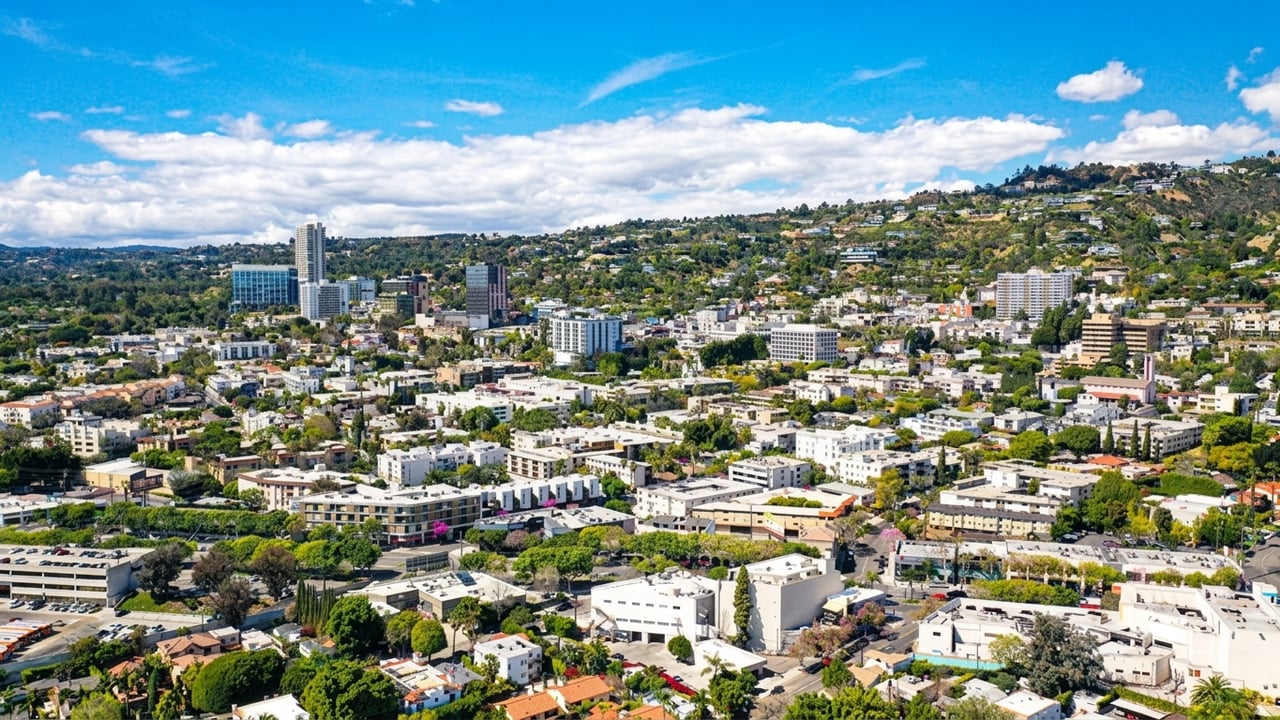
West Hollywood packs an outsized amount of personality into 1.9 square miles. If you're relocating here, chances are a condo is on your shortlist. It's one of the most… Read more
Los Angeles Condo Market Update: Westside Los Angeles, South Bay & West Hollywood
You’ve got questions and we can’t wait to answer them.
Get in Touch With Our Team
The Condo Experts
[email protected]
(310) 494-2979
Brian Maser | CA DRE# 1340306
2525 Main St #106
Santa Monica CA 90405