When the Lender Says "Cancel the Deal," We Say "Not Yet"
By Garlin Smith | The Condo Experts: South Bay | Redondo Beach, CA
Most real estate agents treat a lender denial like a verdict. They deliver the news, apologize, and start talking about next steps, meaning a different buyer, a different offer, starting over.
Perhaps I'm too loyal, too competitive, or a bit too stubborn, but I don't take that approach. Here's a recent example of why that matters.
The Setup
The property was a condo in Redondo Beach, right in the heart of the market we know best. The buyer was exceptionally qualified: more than 20% down, appraisal contingency waived. Escrow opened smoothly. The building reported reserves funded at over 112%, one of the strongest financial positions we'd seen in the South Bay in recent memory.
On paper, this was as clean as a condo transaction gets.
Then the project was denied.
The buyer's lender came back with a blunt conclusion: the master insurance policy and reserve allocation disqualified the building. Not just for a conventional loan; even a non-warrantable loan was off the table. Their direction to the buyer's agent: cancel the transaction and find a cash buyer.
The buyer's agent was prepared to cancel.
We Weren't
When a lender issues a project-level denial, there are two ways to respond. You can accept it as final and move on. Or you can ask exactly one question first: What specifically triggered this?
We requested the underwriting documents, the actual file, not a phone call explanation. Because the difference between a failed sale and a recoverable one almost always lives in the details.
What we found was two distinct problems, each requiring a different response.
The first was the master insurance policy. Named-storm coverage was flagged as absent, connected to the building's participation in a shared, multi-state insurance program, a structure that doesn't present the same way as a standalone policy and can be misread by automated underwriting systems.
The second was a budget line item. The reserve allocation visible in the general ledger read at 3%, well below the standard 10% benchmark. But that number didn't reflect the building's actual reserve strategy or its reported 112% funded position. One line item was obscuring an otherwise strong financial picture.
Neither was unfixable. But fixing them required understanding what was actually broken.
The Ground Game
We went to work on multiple fronts simultaneously.
We contacted the HOA's President and property management team directly, explained that the deal was about to die, and got access to the right insurance and building contacts. We escalated through the insurance broker and carrier to get the actual policy documentation and confirmation of 100% replacement cost coverage.
When key documentation couldn't be released on our timeline, we commissioned an independent replacement-cost report to give underwriting the evidence it needed through a different channel.
And we kept three lender paths moving at once. The original lender remained active on an exception path. A second major bank received the same documentation package simultaneously. A third channel opened through a condo specialist at a wholesale lender. One answer set, three live paths, so a failure on any single track wouldn't send us back to day one.
The Human Side
The technical work only mattered because nobody walked away. That sounds simple. It isn't.
A buyer watching their closing unravel needs to believe there's an active path forward. A seller needs to stay calm through setbacks they didn't cause. A buyer's agent who was ready to cancel needs a reason to stay.
We kept everyone informed, honest about the difficulty without amplifying every setback. The message was consistent: we have to work through these issues anyway. Stay calm. Do not cancel while answers are still coming.
The Result
A deal that a lender told us to cancel closed on schedule.
What This Means for You
Condo transactions have a layer of complexity that doesn't exist in single-family home sales. HOA finances, insurance structure, reserve funding, lender eligibility, warrantability- these aren't technicalities. They're the variables that determine whether a qualified buyer can actually get a loan.
Most agents aren't equipped to navigate them, not because they aren't good agents, but because it's specialized knowledge you only build through deep, repeated exposure to exactly these situations.
We've built that exposure deliberately. So when a lender says cancel, we ask one more question first.
If you're facing a condo transaction with complications, reach out. This is what we do.

Use this step-by-step cash flow formula to compare selling, renting, and holding your Los Angeles condo—and see why HOA lending rules dictate your true market value.
How to verify warrantability under new Fannie Mae and Freddie Mac rules before escrow falls apart.
How deep HOA expertise, proactive underwriting, and sheer persistence rescued a Redondo Beach condo sale from cancellation.
Fannie Mae's new 15% HOA reserve requirement applies by loan application date, not closing date. What condo and townhome owners need to know in the next ten weeks.

Evaluating cash flow, assessment risks, and lender guidelines to make the right move in the Los Angeles condo market.
Lender tightening, non-warrantable risks, and reserve rules—what Los Angeles condo owners must do now to protect property values.
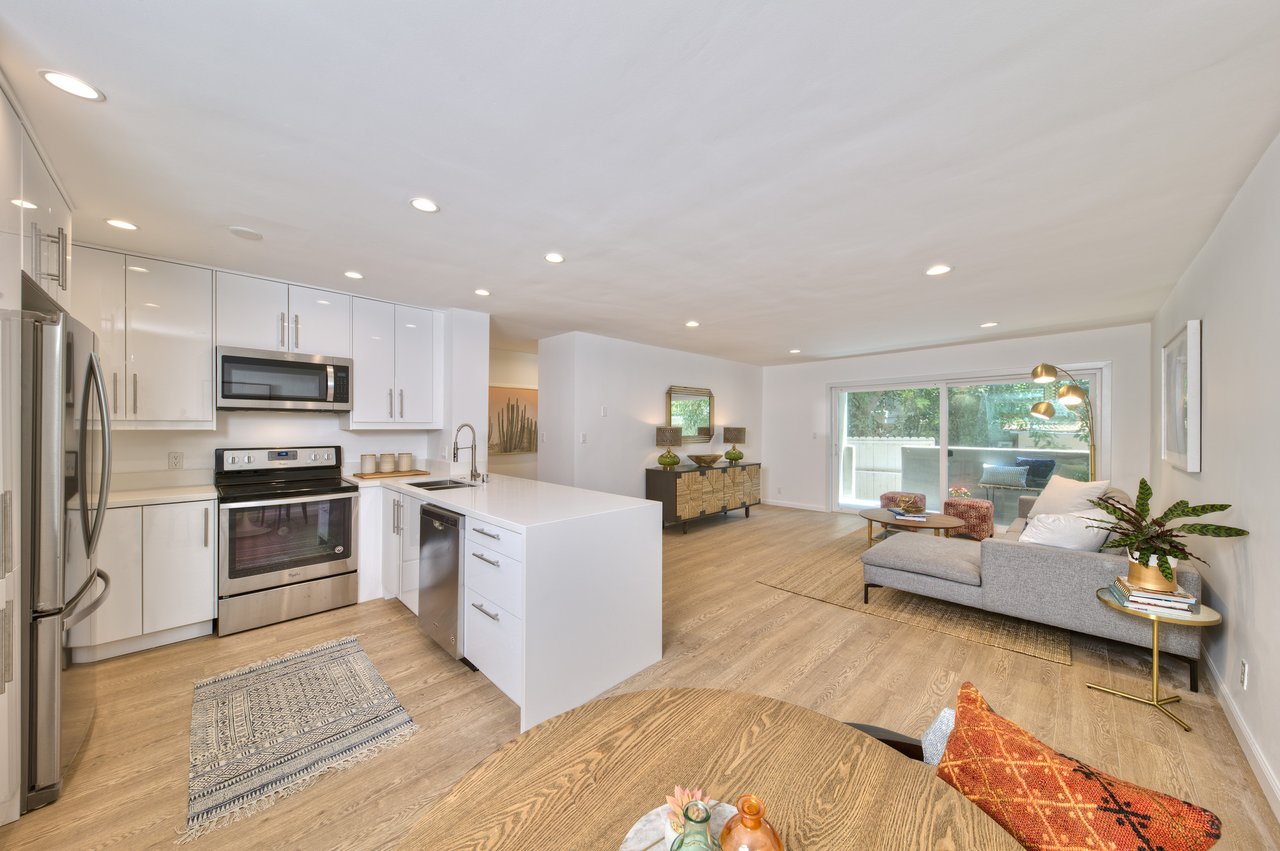
Exceptional condos are setting records. Good condos are getting cut. The difference is how much the buyer knows.
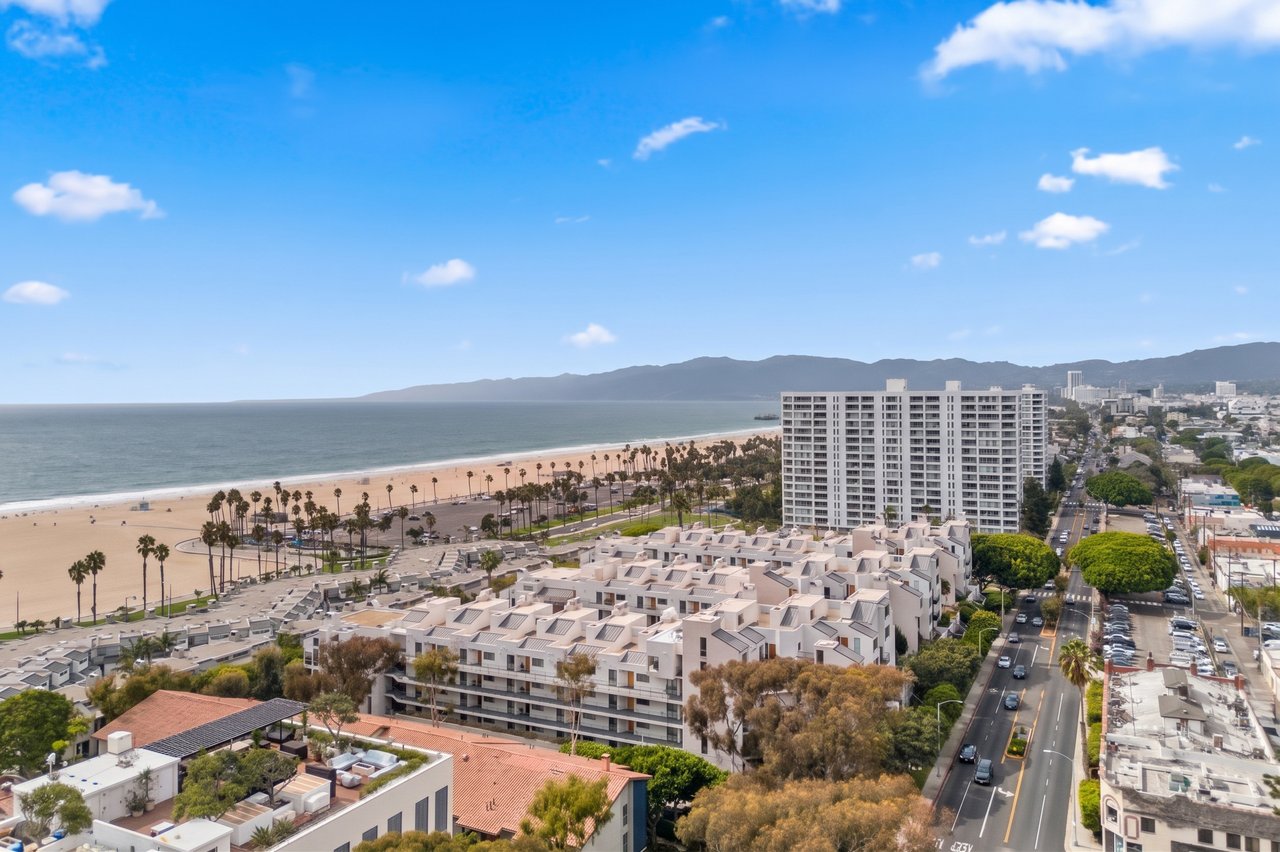
How stricter lending standards, reserve rules, and building warrantability are impacting Los Angeles condo sales and property values.
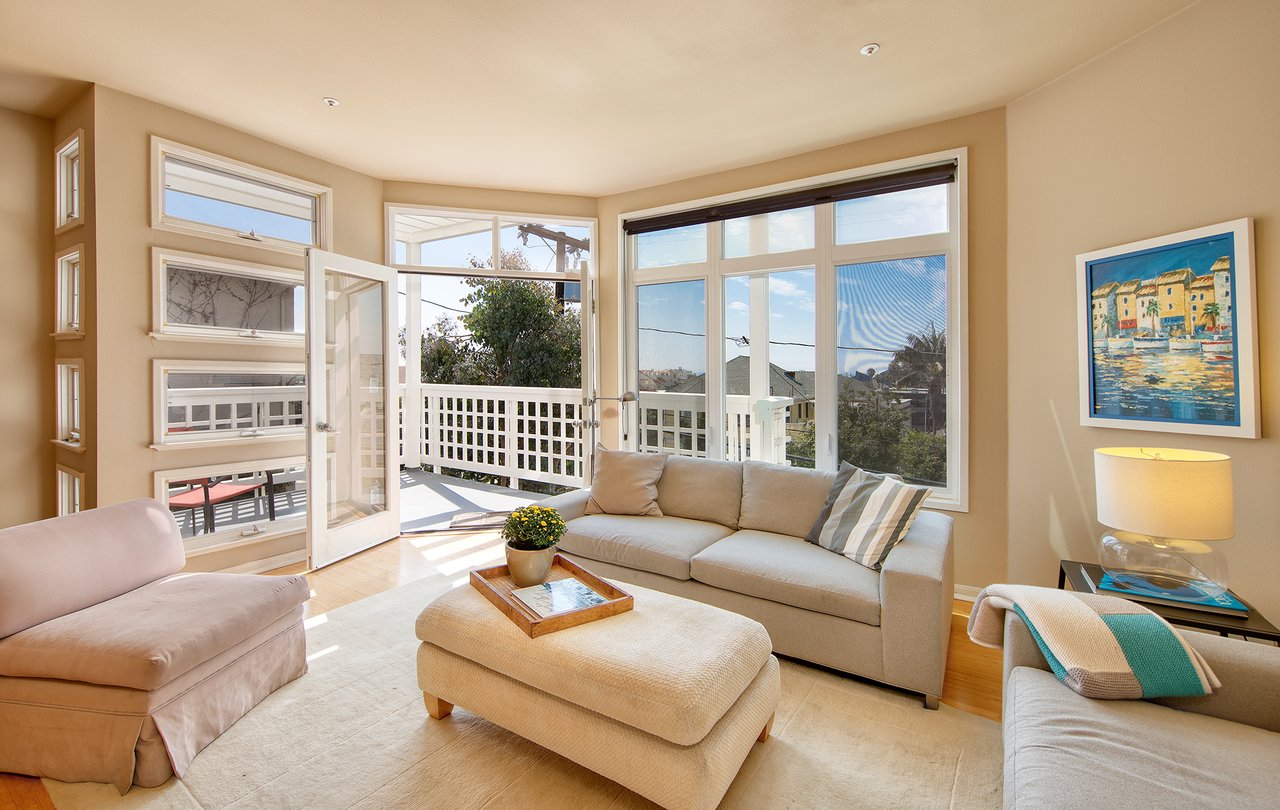
From SB-326 compliance to HOA reserve health—why building quality dictates condo values across West Hollywood right now.
You’ve got questions and we can’t wait to answer them.
Get in Touch With Our Team

The Condo Experts
[email protected]
(310) 494-2979
Brian Maser | CA DRE# 1340306
2525 Main St #106
Santa Monica CA 90405