Is Your Condo Building Lendable? How to Check Before Your Buyer's Lender Does
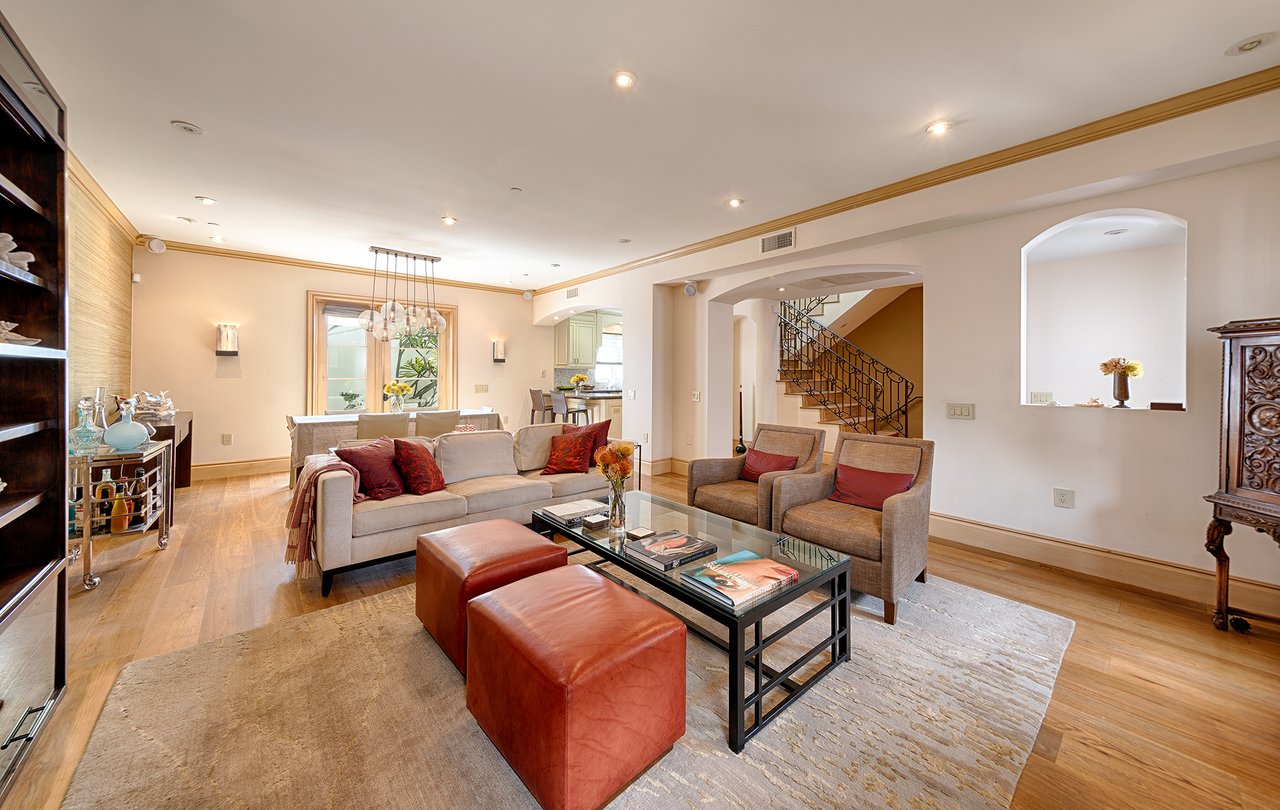
Under the new Fannie Mae and Freddie Mac condo lending rules, the building decides who can buy the unit. Nine weeks before the January 4, 2027 reserve rule takes effect, here is how condo and townhome owners, HOA boards, buyers, and agents in Los Angeles can see what an underwriter sees before escrow starts.
By Brian Maser, Founder & Broker, The Condo Experts
Condo and townhome owners across the Westside, Santa Monica, and Marina del Rey rarely think about mortgage underwriting. You think about your home and what it is worth.
Right now, those are the exact same question.
Under new agency guidelines from the Federal National Mortgage Association (Fannie Mae) and the Federal Home Loan Mortgage Corporation (Freddie Mac), a mortgage lender reviews the entire building before approving a loan on an individual unit. If the building fails that review, it is classified as non-warrantable. When that happens, conventional buyers using conforming financing cannot buy in your building. The unit itself did not change. The buyer pool vanished.
That is why a lendability check matters. Today, lendability is value.
August 3, 2026: The Limited Review shortcut was retired under Fannie Mae Lender Letter LL-2026-03 and Freddie Mac Bulletin 2026-C. Most condo purchases now require a Full Review of the building's finances, insurance policies, and structural condition.
January 4, 2027: For loan applications dated on or after January 4, 2027, the Homeowners Association (HOA) budget must allocate at least 15% of annual assessment income to replacement reserves, up from 10%, unless a qualifying reserve study supports an alternative funding level.
January 4 is roughly nine weeks away. The rule applies to the buyer's loan application date, not the close of escrow. A buyer writing an offer in December could easily fall under the 15% reserve requirement if the loan application is logged in January. Both National Mortgage Professional and The Cooperator emphasize that associations failing to budget for this threshold face immediate lending friction.
On Wednesday, the Federal Reserve held its benchmark federal funds rate at 3.75% to 4.00%. Two members voted for a rate increase, and financial markets are pricing in odds of a hike at the December 9 meeting, as reported by Admiral Markets.
Mortgage rates dropped slightly last week. The 30-year fixed rate averaged 7.24% in Freddie Mac's October 29 survey, down from 7.32% the previous week, compared to 6.17% one year ago.
A fractional dip in interest rates does not change underwriting reality. Mortgage lenders are tightening condo guidelines. In 25 years of selling Los Angeles condos, I have never seen condo values hold when lenders restrict capital. That is the Great Condo Reset. Institutional capital already understands this shift.
If you want to know where your property stands today, check your building before your buyer does. Run a review at CondoNAV.
Most owners discover an HOA problem at the worst time: mid-escrow, when the underwriter issues a loan denial. The purchase timeline is running out, the buyer holds all the leverage, and the seller has zero good options.
That moment damages everyone involved:
The seller loses the buyer or concedes a steep price reduction.
The buyer loses the home after spending time and non-refundable inspection fees.
The real estate agents lose weeks on a transaction that could not close.
The HOA board faces angry homeowners whose sales fell through.
None of this needs to be a surprise. You can verify a building's lendability before anyone enters a contract.
CondoNAV is a pre-lending review of an entire building. It identifies what underwriters will see before a purchase contract depends on it. The platform is open to everyone, whether you list with our brokerage or not.
Start at CondoNav.com. Creating an inquiry is free.
Submit the building details. Provide your name, the complex address, and the property management company or HOA board contact.
Gather the records. If HOA documents must be purchased from property management, standard document fees may apply. We help coordinate that file.
Complete the underwriting audit. The project undergoes a pre-lending review through established lending partners.
Review the findings. You receive a clear assessment of building warrantability, typically within 10 to 30 days.
Sellers and Refinance Borrowers: Know what you are selling before you price it. If you plan to sell, enter the market fully prepared with a Pre-Packaged Condo Sale™. A complete file allows you to close cleanly with cash or financed buyers.
HOA Board Members: Understand underwriting requirements before January 4, 2027. Fixing an HOA budget deficit, special assessment issue, or insurance deductible gap takes months. Start now.
Condo Buyers: You are not just purchasing an individual unit. You are buying into an entire common-interest development, its reserve fund, and its liabilities. Review our buyer resources and verify building lendability before submitting an offer.
Real Estate Agents: Treat this as a standard pre-listing check. Do not risk a client relationship on an unvetted HOA file. CondoNAV is available to every active agent in Southern California.
Many condo owners believe that when a building becomes non-warrantable, their only exit is selling to an all-cash investor at a deep price discount.
That is incorrect.
We sell non-warrantable condominiums regularly across Los Angeles. When The Condo Experts audit a building through CondoNAV, specialized portfolio lenders compete to finance qualified buyers. The advantage comes from uncovering building issues early and assembling a complete lending package upfront.
Buildings that enter escrow unprepared often face price drops between 10% and 20%. Do not put your equity in that position.
This is not marketing talk. The condo financing market requires complete transparency, and we are fixing transactions one building, one owner, and one buyer at a time.
If you own a condominium or townhome, serve on a Los Angeles HOA board, or represent a client in West Hollywood, Santa Monica, or Marina del Rey, call our team directly at (310) 494-2979. We will walk you through where your association stands and how to protect your asset.
How to verify warrantability under new Fannie Mae and Freddie Mac rules before escrow falls apart.
How deep HOA expertise, proactive underwriting, and sheer persistence rescued a Redondo Beach condo sale from cancellation.
Fannie Mae's new 15% HOA reserve requirement applies by loan application date, not closing date. What condo and townhome owners need to know in the next ten weeks.
Evaluating cash flow, assessment risks, and lender guidelines to make the right move in the Los Angeles condo market.
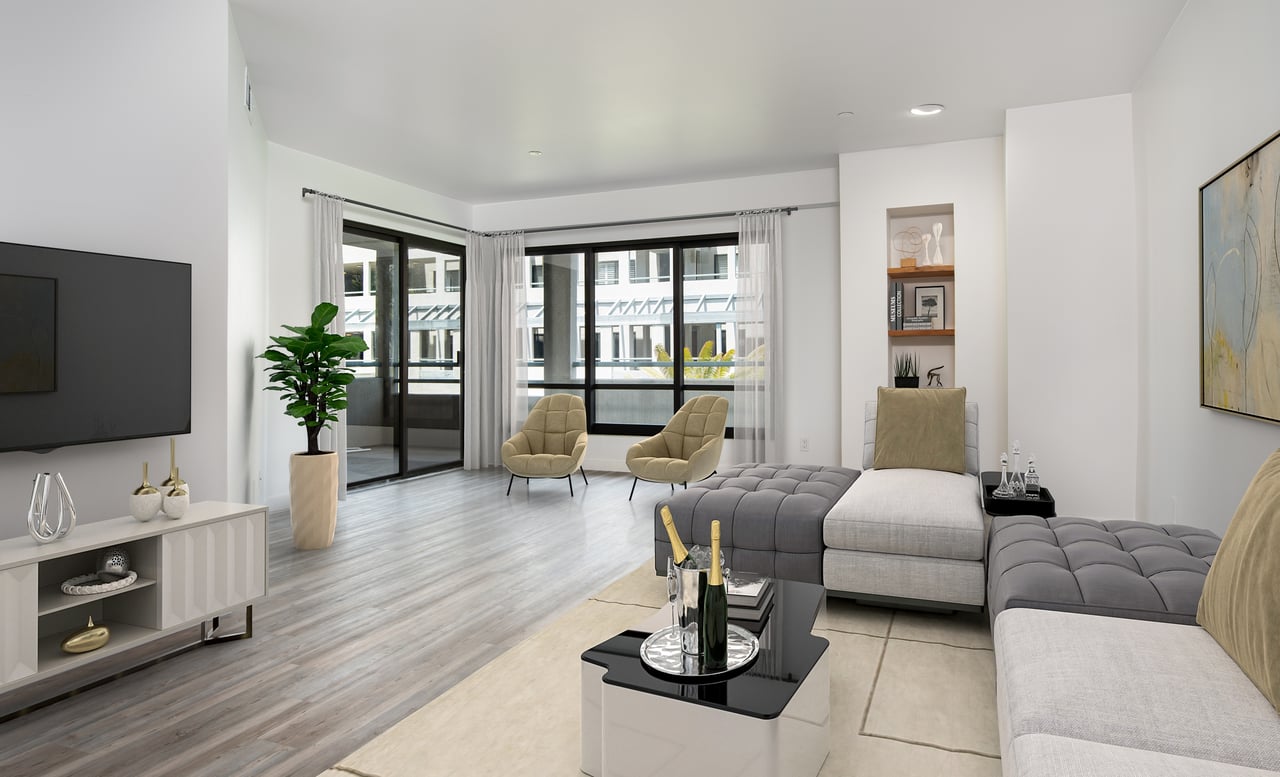
Lender tightening, non-warrantable risks, and reserve rules—what Los Angeles condo owners must do now to protect property values.
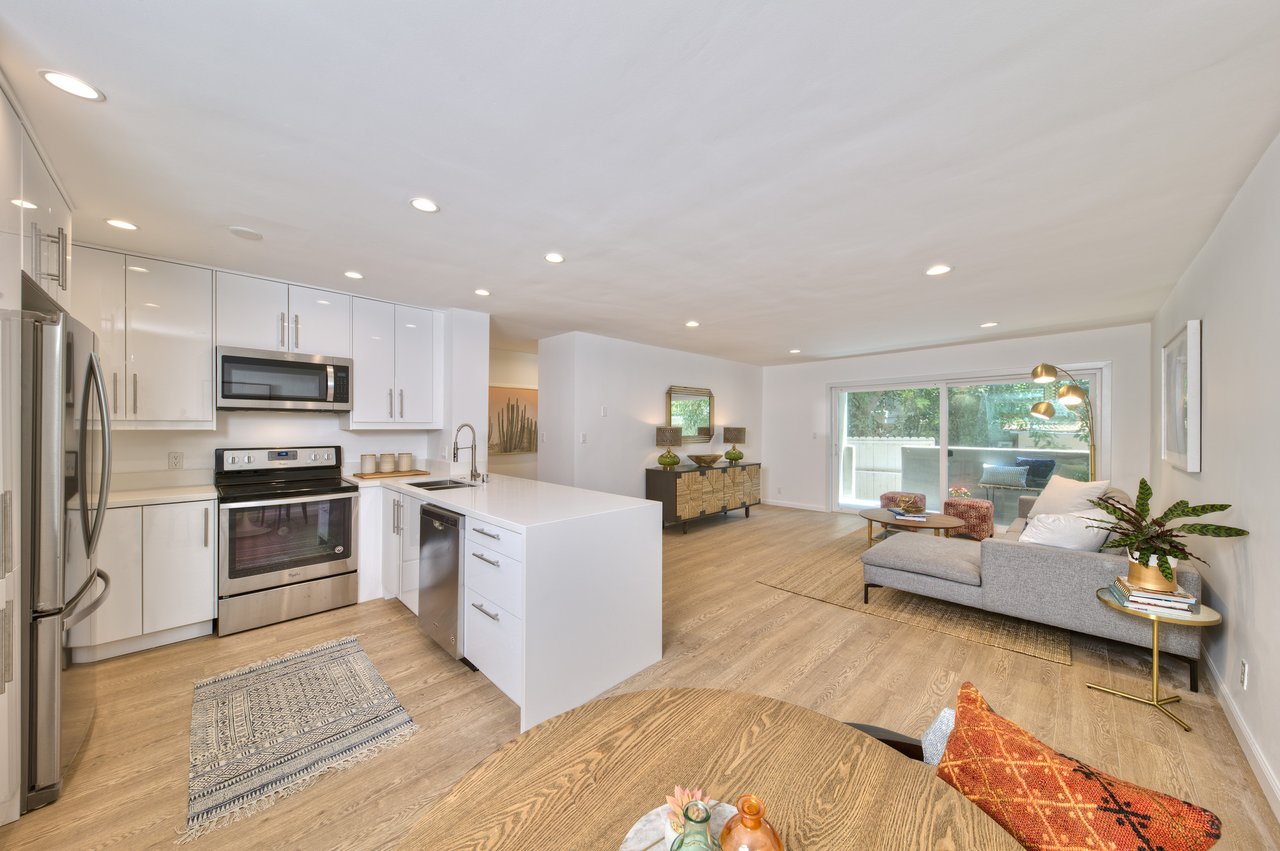
Exceptional condos are setting records. Good condos are getting cut. The difference is how much the buyer knows.
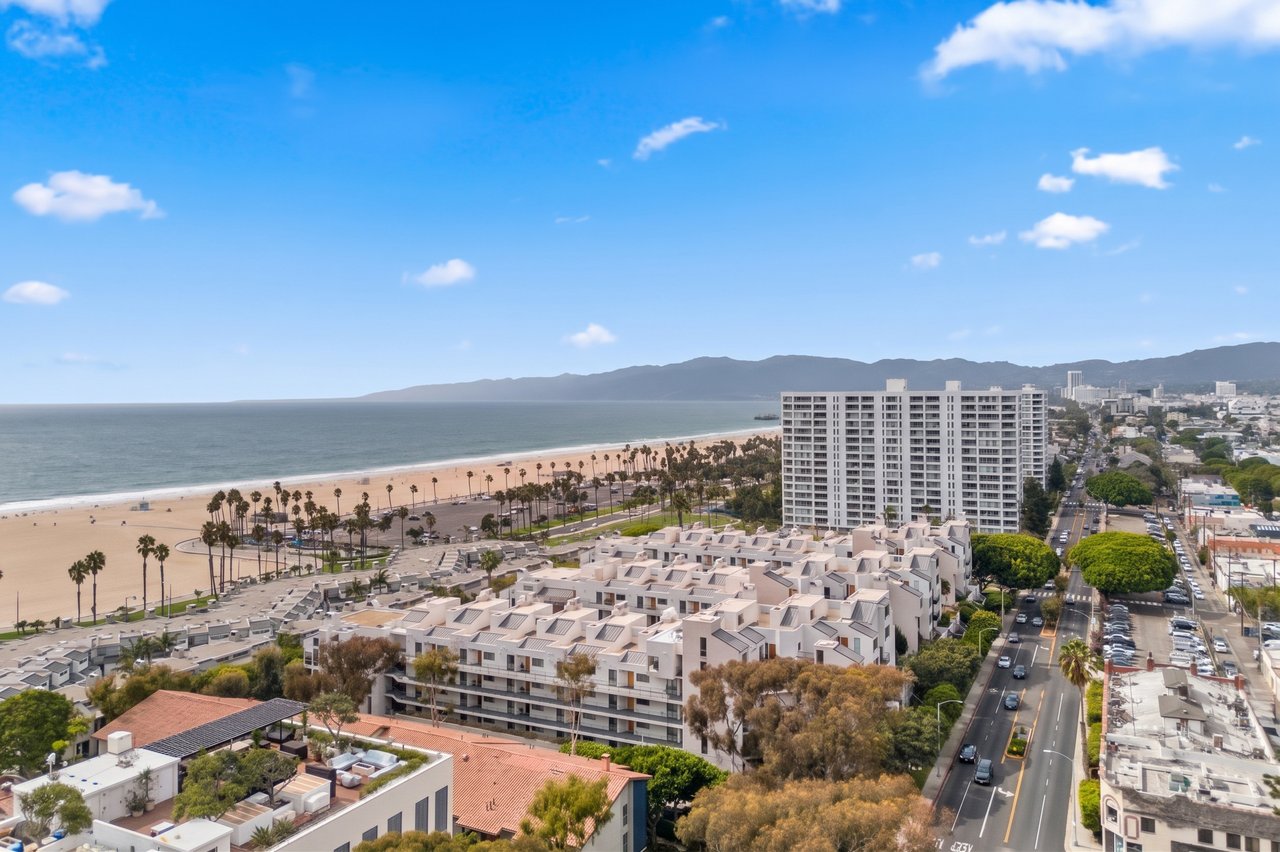
How stricter lending standards, reserve rules, and building warrantability are impacting Los Angeles condo sales and property values.
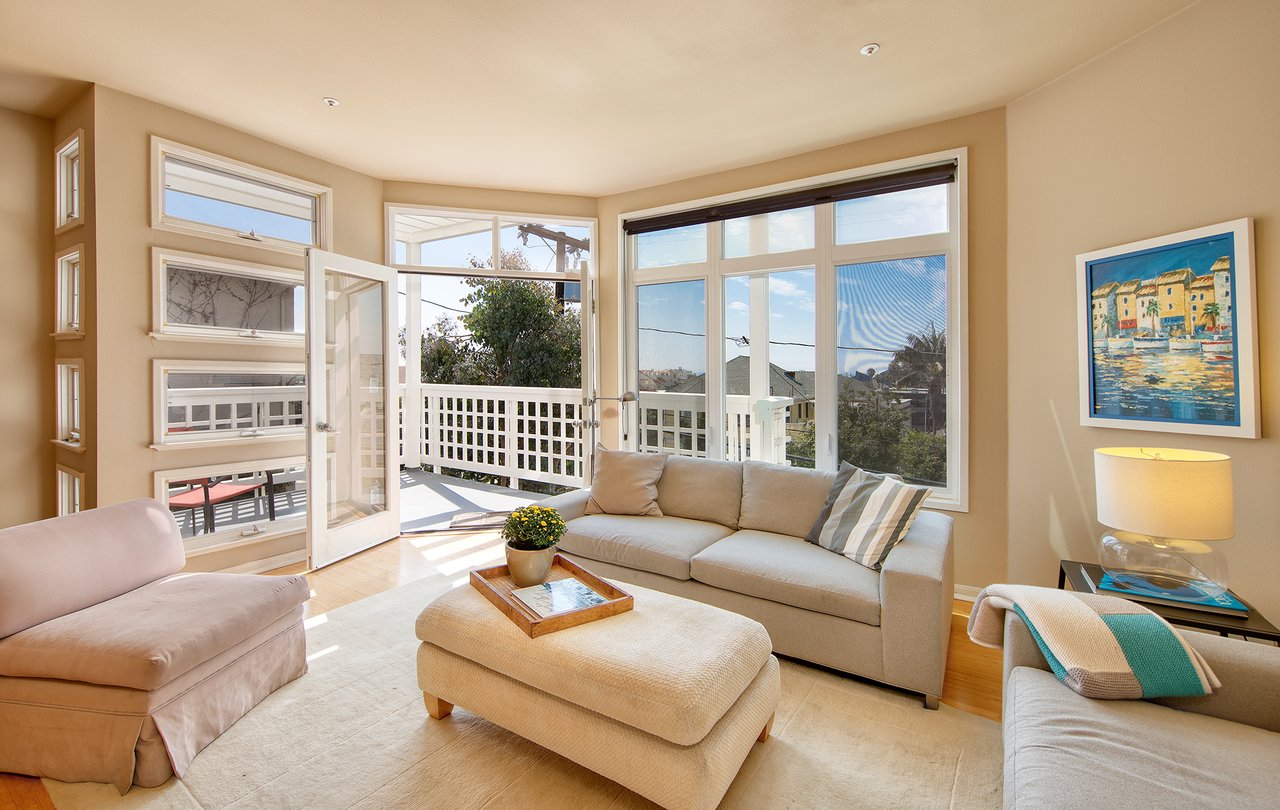
From SB-326 compliance to HOA reserve health—why building quality dictates condo values across West Hollywood right now.
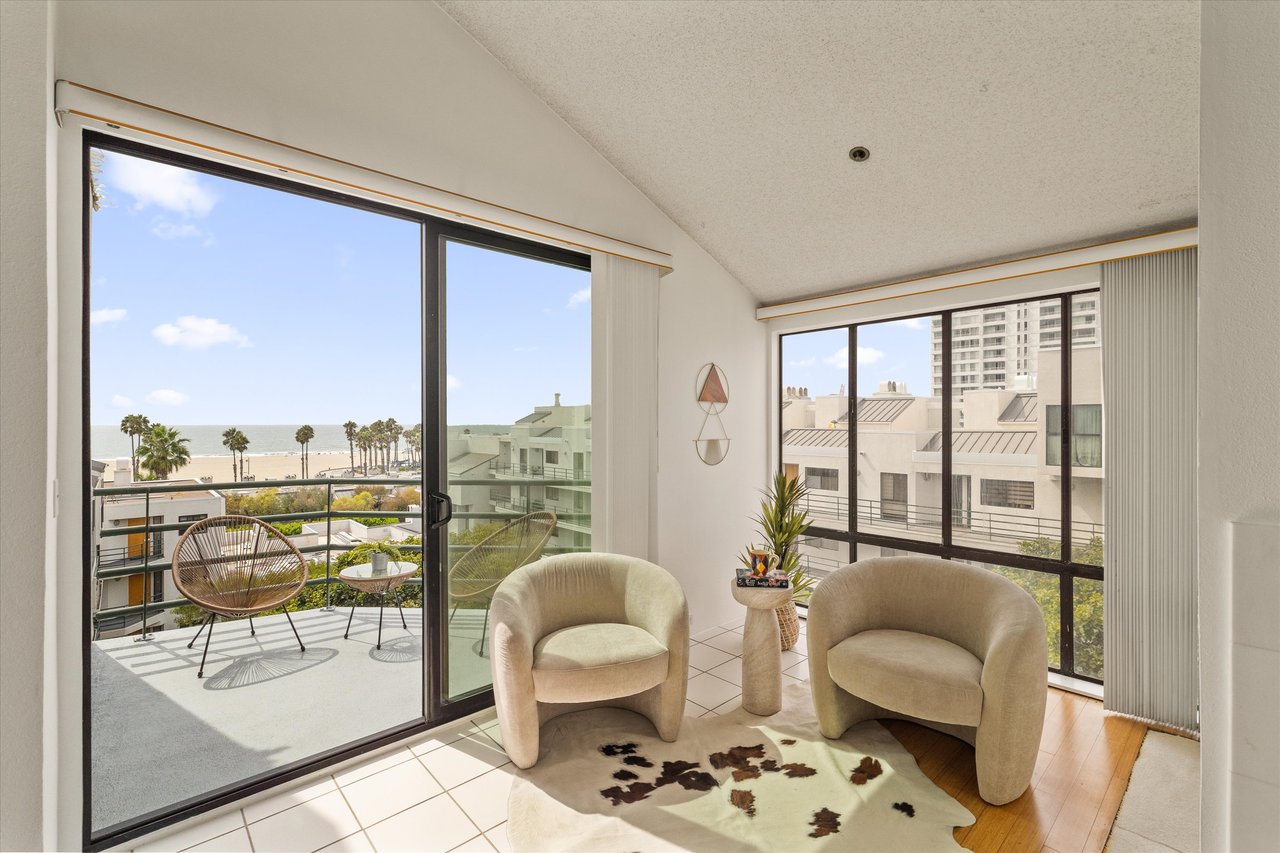
Location and finishes used to dictate condo value. In today’s market, buyer financing, HOA health, and pre-packaged preparation control the sale.
You’ve got questions and we can’t wait to answer them.
Get in Touch With Our Team

The Condo Experts
[email protected]
(310) 494-2979
Brian Maser | CA DRE# 1340306
2525 Main St #106
Santa Monica CA 90405