The January 4, 2027 Condo Reserve Rule: Why Your Buyer's Loan Application Date Now Matters
By Brian Maser, Founder & Broker, The Condo Experts
Condo and townhome owners across Los Angeles, mark January 4, 2027 on your calendar. Most of this market is not paying attention to it.
On that date, the Homeowners Association (HOA) reserve requirement for conventional condo financing increases from 10% to 15%. There is one critical detail almost nobody is talking about: the rule is tied to the date of the buyer's loan application, not the closing date.
What Changes on January 4
In March 2026, the Federal National Mortgage Association (Fannie Mae) issued Lender Letter LL-2026-03, and the Federal Home Loan Mortgage Corporation (Freddie Mac) issued Bulletin 2026-C. They established two major shifts:
August 3, 2026: The Limited Review shortcut was retired. Most condo purchases now require a Full Review of the entire building.
January 4, 2027: For loan applications dated on or after this day, the HOA budget must allocate at least 15% of annual assessment income to reserves. That is up from 10%, representing a 50% increase in mandatory reserve contributions.
To be clear: that means 15% of the association's annual operating budget must go directly into replacement reserves. It is not 15% of the building's total property value. A building can also qualify with a current reserve study, provided the HOA funds reserves at the level the study recommends.
A building that meets neither standard can become non-warrantable. A non-warrantable condo is a property that does not meet conventional lending guidelines set by Fannie Mae and Freddie Mac. Together, these two entities back approximately 70% of residential mortgages in the United States. If your building loses their backing, you lose the vast majority of your qualified buyer pool.
If you are planning to sell on the Westside or across Los Angeles over the next six months, you cannot afford to guess where your building stands. Run a free building analysis at CondoNAV before listing.
Why the Loan Application Date Dictates Your Sale
The mechanic is straightforward. A buyer who submits a loan application on January 3 is evaluated under the 10% reserve rule, even if the escrow closes in March. A buyer who applies on January 4 is judged under the 15% rule.
Same building. Same unit. Same buyer. Different outcome.
If your HOA budget currently allocates between 10% and 15% to reserves, your calendar dictates your sale. An offer where the buyer formally applies before January 4 will be reviewed under current guidelines. Ten weeks is a short window when factoring in preparation, listing, escrow negotiations, and loan underwriting.
Fannie Mae has actively encouraged lenders to adopt the 15% standard early. Do not assume your buyer's lender is using the old rule. Ask upfront.
The Market Shift: Why Condos Feel It First
This regulatory shift arrives while borrowing costs remain elevated. The 30-year fixed mortgage rate averaged 7.40% in Freddie Mac's October 15 survey, compared to 6.27% a year ago. The Federal Reserve raised its benchmark rate in mid-September, and its next rate decision is scheduled for Wednesday, October 28.
Condos consistently lead the broader Los Angeles housing market by roughly three months. When interest rates rise and underwriting guidelines tighten at the same time, condo communities absorb the impact first.
National data reflects this pressure. Condo inventory nationwide stands at approximately 7 months of supply, placing it firmly in buyer's-market territory. National condo listing prices dropped 3.7% year over year in September 2026 (HouseCanary).
In local submarkets across Los Angeles, we are seeing signed escrows trade roughly 10% lower on a price-per-square-foot basis, while unvetted listings linger on the market.
This is the Great Condo Reset. Lenders are tightening condo requirements because they want to mitigate risk against declining values. In 25 years of selling Los Angeles condos, I have never seen values hold steady when banks restrict capital.
Buildings that fail to prepare face potential valuation drops of 10% to 20%.
Action Steps by Role
If you own and plan to sell:
Verify your building's reserve allocation immediately at condonav.com.
Work backward from January 4. Your buyer's mortgage application deadline is now an active component of your pricing and listing strategy.
Eliminate buyer financing objections before hitting the Multiple Listing Service (MLS) by pairing a completed CondoNAV file with a Pre-Packaged Condo Sale™.
If you serve on an HOA board: Examine the reserve line in your current fiscal budget against the 15% standard today. Determine whether commissioning a certified reserve study offers a more viable path to compliance for your owners. Rectifying reserve shortfalls requires notice, voting, and administrative lead time. Start now.
If you are buying a condo: Require your lender to confirm in writing which reserve benchmark they are applying to your file. Verify whether the complex is warrantable before signing a purchase contract.
How CondoNAV Solves Building Warrantability
CondoNAV provides pre-market clarity for owners, HOA boards, prospective purchasers, and refinancing homeowners:
Access the platform at condonav.com. It is free to start.
Input the building details, property address, and property management or HOA contact who holds the records.
Our team organizes the necessary association disclosure records. If HOA documents need to be ordered, there may be a charge. We can get that order processed for your building now.
The property completes an advance underwriting review through our strategic lending network. You identify what underwriters will see before an active purchase depends on it.
You receive an objective warrantability assessment, typically within 10 to 30 days.
Non-warrantable status does not mean a property cannot be sold. We regularly structure and close non-warrantable transactions across Santa Monica, West Hollywood, Marina del Rey, and Los Angeles. When CondoNAV documents the building profile in advance, portfolio and specialty lenders compete to finance those buyers.
What to Expect
Correcting an association's structural compliance gaps takes time, and there is only so much any building can accomplish inside ten weeks. We are working to accelerate both the fixes and the lender review process. The owners and HOA boards who establish their position today maintain negotiating leverage and pricing control. Those who wait will find their options severely limited.
This is not a sales pitch. The condo market system is broken, and we are fixing it one property, one association, one seller, one buyer, and one refinance at a time.
If you own a condo or townhome, or serve on an HOA board in Los Angeles, call our team directly at (310) 494-2979 or evaluate your building at condonav.com.
When everything is known, everything works.
Sources
Fannie Mae's new 15% HOA reserve requirement applies by loan application date, not closing date. What condo and townhome owners need to know in the next ten weeks.
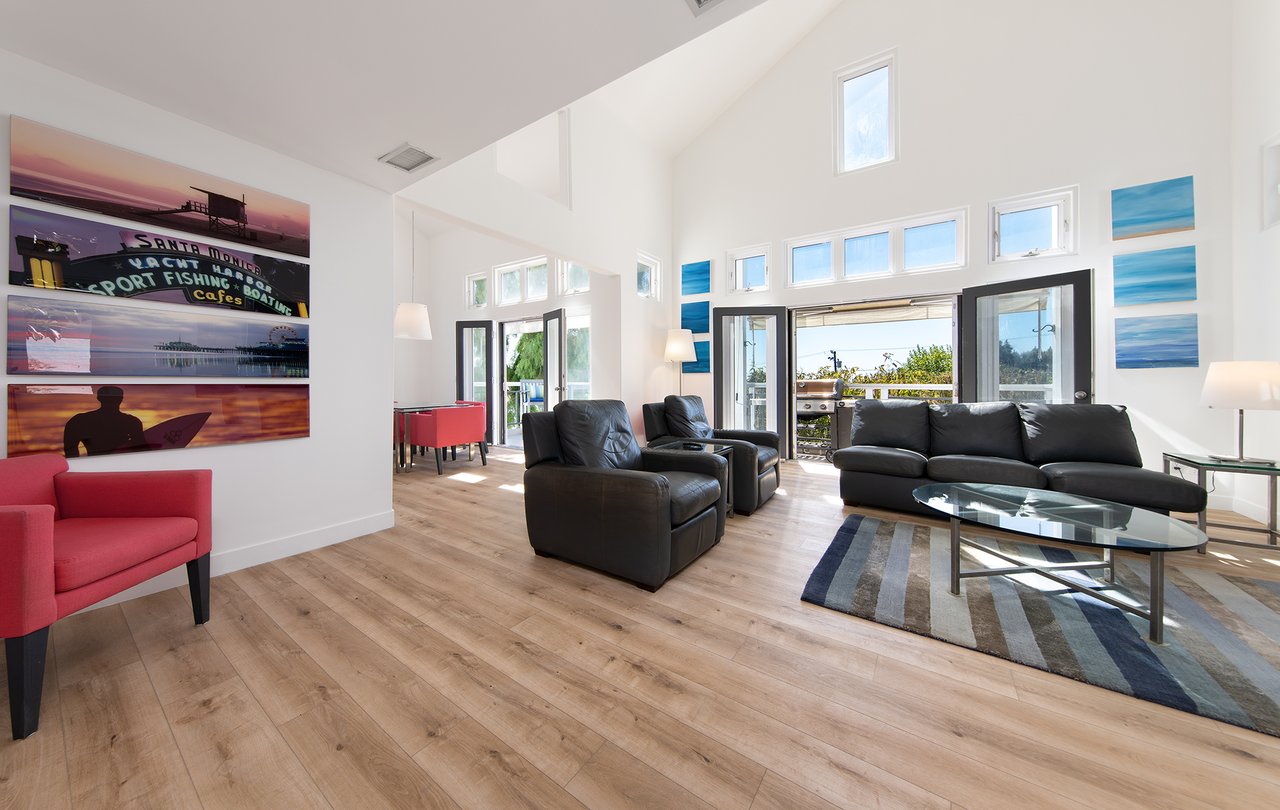
Evaluating cash flow, assessment risks, and lender guidelines to make the right move in the Los Angeles condo market.
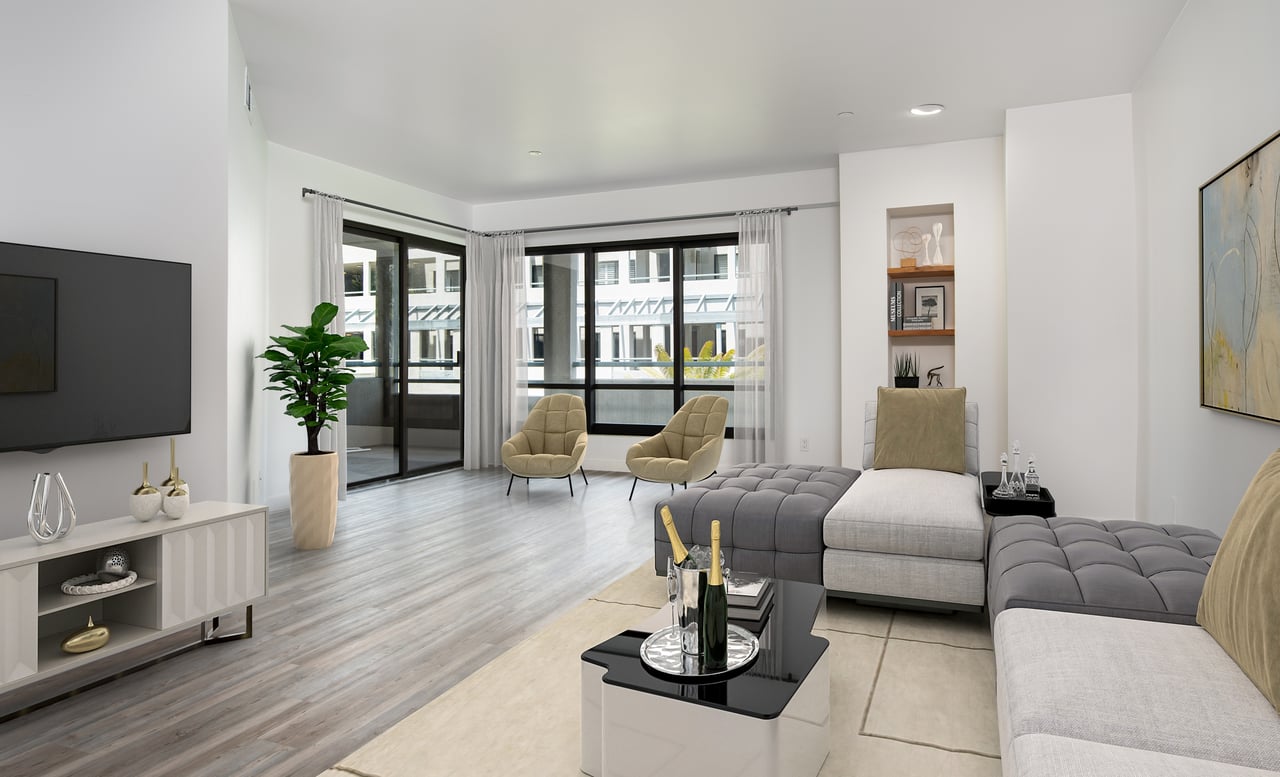
Lender tightening, non-warrantable risks, and reserve rules—what Los Angeles condo owners must do now to protect property values.
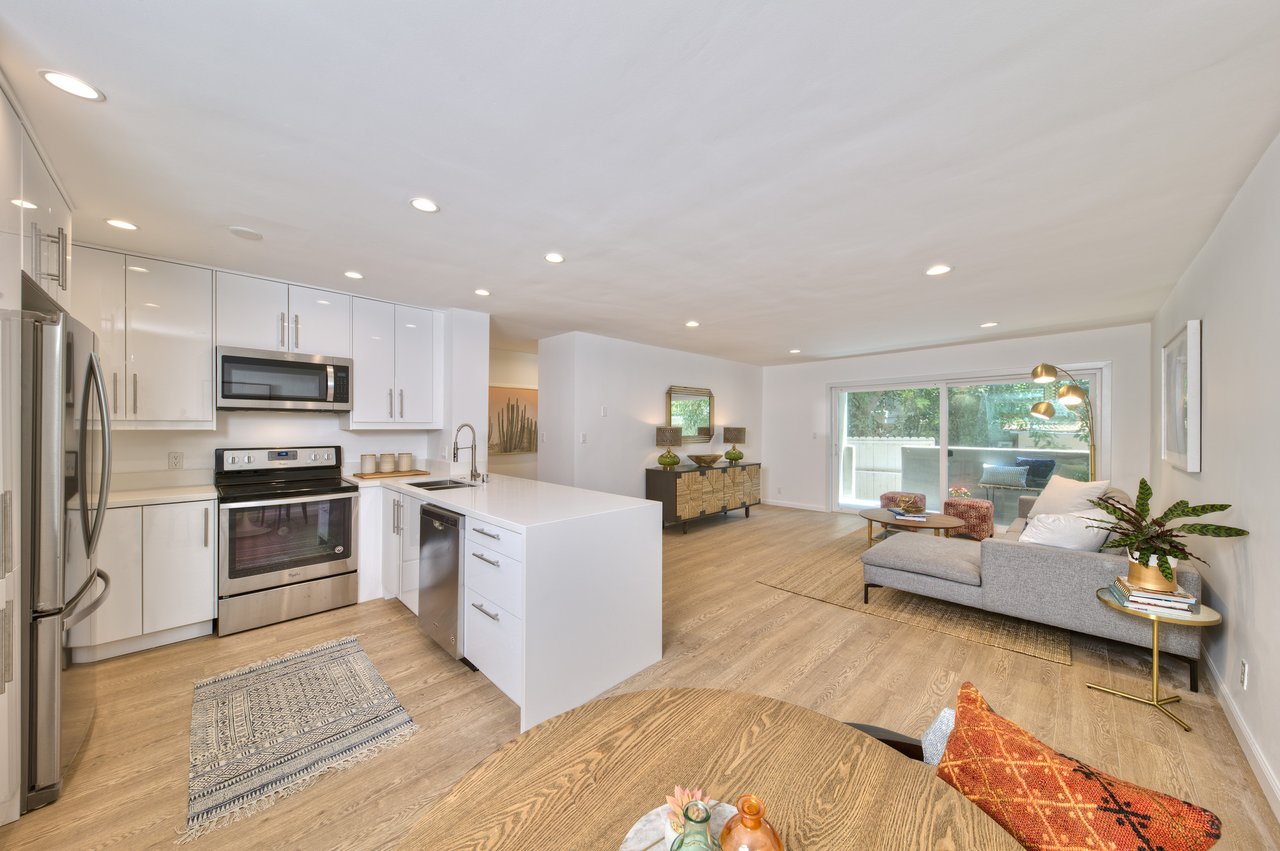
Exceptional condos are setting records. Good condos are getting cut. The difference is how much the buyer knows.
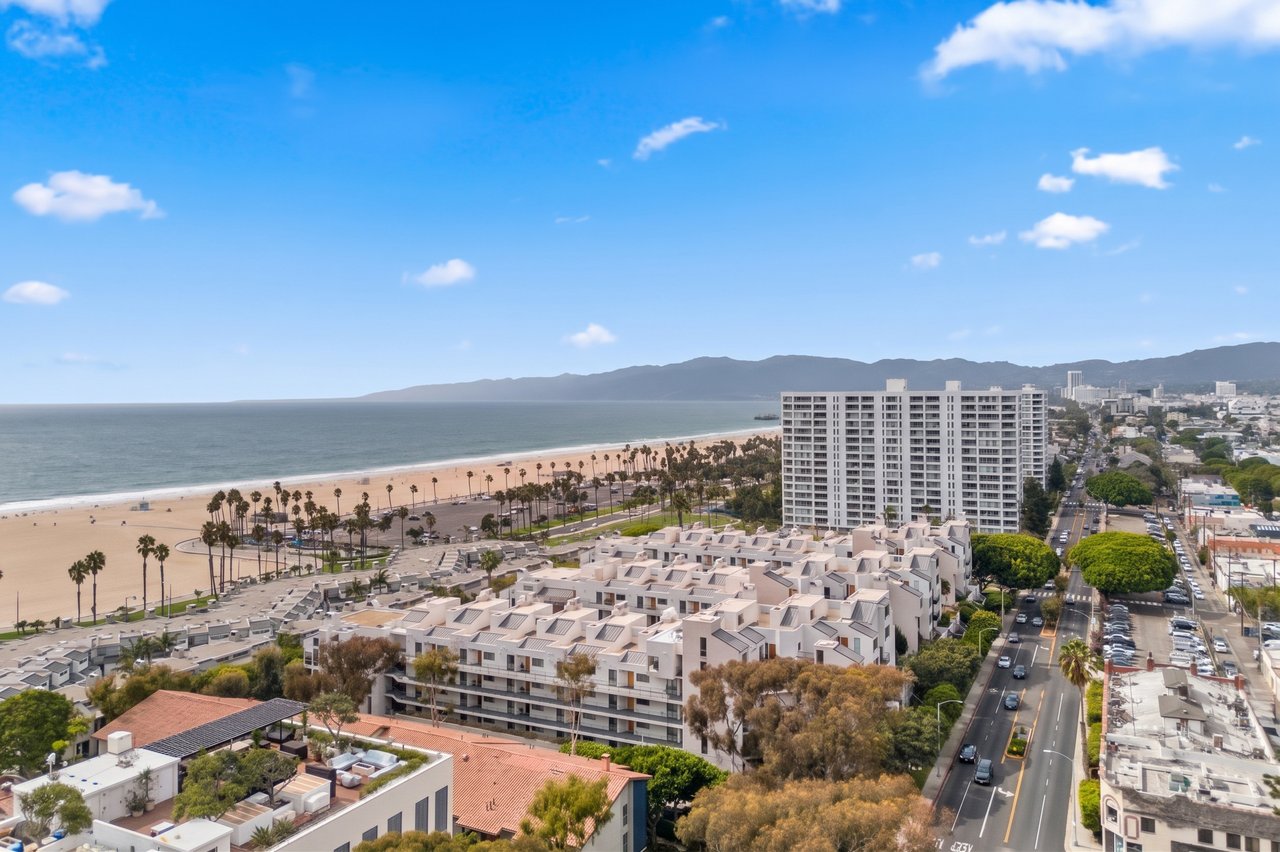
How stricter lending standards, reserve rules, and building warrantability are impacting Los Angeles condo sales and property values.
From SB-326 compliance to HOA reserve health—why building quality dictates condo values across West Hollywood right now.
Location and finishes used to dictate condo value. In today’s market, buyer financing, HOA health, and pre-packaged preparation control the sale.
Why Traditional Real Estate Strategy Fails Condo Sellers—and How The Pre-Packaged Condo Sale™ Keeps You in Control.
For most real estate agents and brokerages across Los Angeles, condos are a side business, a handful of deals a year, alongside single-family homes, land, and everythi… Read more
You’ve got questions and we can’t wait to answer them.
Get in Touch With Our Team

The Condo Experts
[email protected]
(310) 494-2979
Brian Maser | CA DRE# 1340306
2525 Main St #106
Santa Monica CA 90405