The Way America Sells and Finances Condos Is Broken. Here's Who Has to Fix It.
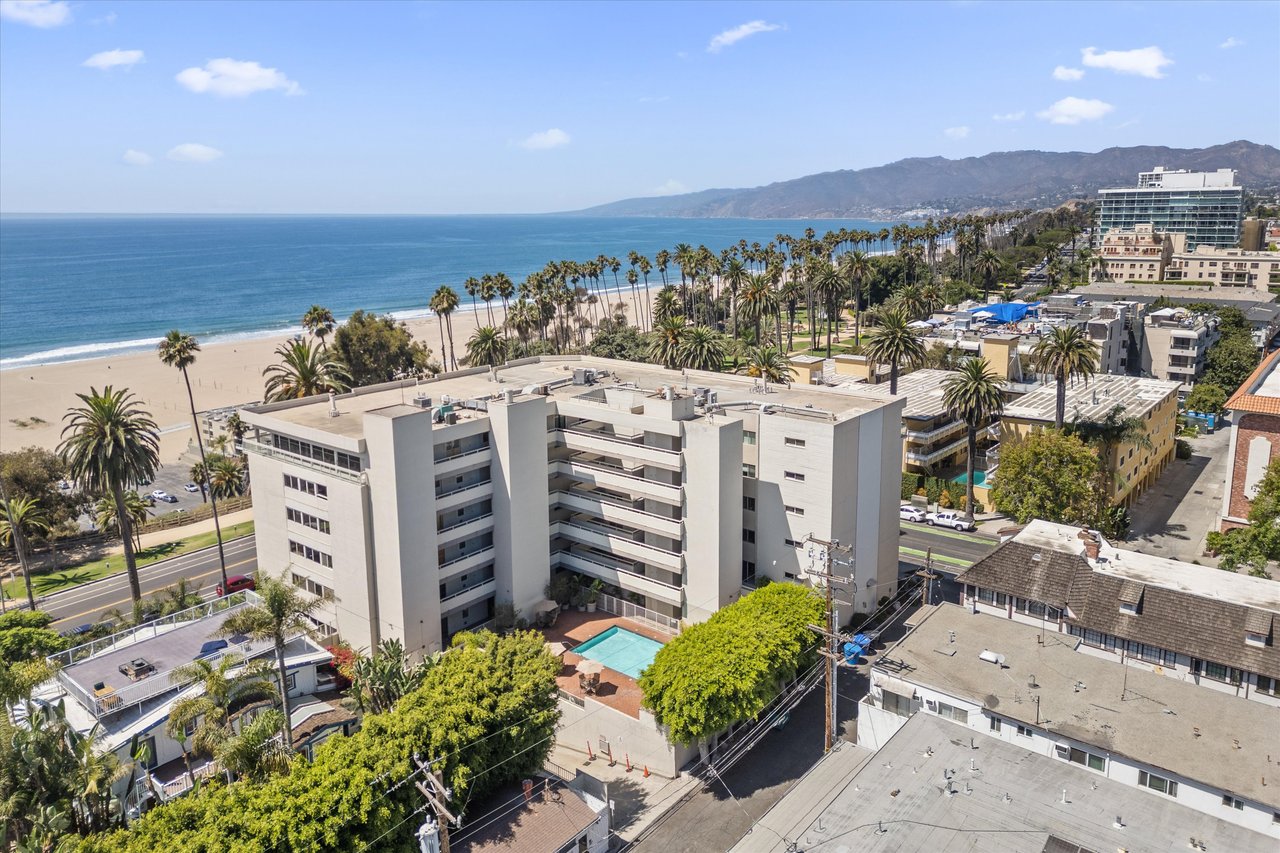
After 25 years and 700+ condo closings, Brian Maser, founder and broker of The Condo Experts, says the system is failing buyers, sellers, owners, agents, lenders, escrow and HOA boards alike, and fixing it will take all of them.
The way condominiums are sold and financed across the country has to change, says Brian Maser, founder and broker of The Condo Experts. HOA documents are costly and difficult to get. Once they arrive, analyzing the building and its condition is even harder. Most condos are listed before anyone has read the building's documents, and every transaction starts the work over from scratch. Maser is calling for a new standard: every building's information gathered, analyzed and kept current in one central place, so owners, agents, buyers and lenders know where a building stands at any time.
The documents exist. The process doesn't.
Companies such as CondoCerts and HomeWiseDocs provide HOA documents, but getting them is costly and difficult. Escrow officers and lenders often put down their own personal credit cards to get documents quickly. Orders can take a long time, and sometimes a document is paid for and never arrives.
The bigger problem starts once the documents come in. Formats differ from building to building, so analyzing a building and its condition is incredibly challenging. Lenders need condo certifications, and the questions on them must be answered by many parties: board members, property managers, insurance professionals, and sometimes inspectors. Every answer can lead to more follow-up questions.
And everyone is chasing the same answers at the same time. The property manager is trying to find the right person, such as the insurance agent, to answer a question. Escrow coordinators inside the escrow company and the property manager's office are trying to get information. If escrow can't find it, the lender is looking for it too. Everyone is trying to get the same information separately.
There is no central, current record for each building that every party can rely on. Document providers sell documents, but no one keeps the whole picture organized and up to date.
Pieces of a database do exist. Fannie Mae's Condo Project Manager lets lenders see whether a project is already approved or marked unavailable, but only lenders can use it. Since 2024, Fannie Mae has offered a lookup that lets HOA boards and managers see whether it knows of an issue at their building. FHA and VA publish lists of approved condo projects. None of them holds a building's documents, the analysis of what those documents say, and its current condition in one place that owners, buyers, and every lender can see.
A lender that has recently approved a building can often lean on its own file for the next loan. But since Limited Review was retired in August, more loans need a Full Review, so many buildings that never needed a full project file now do, and the old shortcuts no longer apply. For HOAs, working through all of this offline is very difficult. Maser believes there should be a far more automated way for any building to run its information against lender standards and know where it stands before a sale, and it's a problem he and his team are working on.
"Lenders have entire teams in underwriting chasing documents and trying to find answers," said Maser. "But those answers already exist. Every HOA has a bank account with a balance. Every HOA should have a master insurance policy and know what it covers. That information changes, but it's always there, and if something is missing, someone should know it's missing. Why start over on every transaction?"
Lenders start from zero, and the rules just got stricter
Underwriting a condo loan takes enormous time, energy, and money, and the lender carries the risk with no guarantee the loan will close. The buyer's side works differently: a lender gathers most of a borrower's information up front, which is why buyers can be pre-approved before they shop. The building gets no pre-approval. Most of the time, its review starts from scratch. Even when a lender can point to a recent approval in the same building, conditions change and the information has to be updated.
And the bar just went up. Under Fannie Mae Lender Letter LL-2026-03 and a matching Freddie Mac bulletin, both issued March 18, 2026, the streamlined Limited Review was retired for loan applications dated on or after August 3, 2026. Most condo loans in buildings with more than 10 units now require a Full Review, including the Fannie Mae condo questionnaire (Form 1076). Starting with applications dated January 4, 2027, buildings must budget at least 15% of assessment income for reserves, up from 10%, or fund at the level their reserve study recommends.
Lenders now expect buildings to be in better condition and better organized before they will lend. That is what is pushing this problem to a new level, and why the old way of chasing documents deal by deal can't keep up.
No standard format, so every file starts from scratch
There is no standard format or process for how a building's records are kept. Every budget arrives laid out in its own way. Small complexes sometimes run their business by email. Some CC&Rs date to the 1960s and survive only as barely readable scans. Many sets of minutes are in disarray, and procedures for handling problems are poor.
Maser believes every building should use one standard format. That would make it far easier to take the data and put it into the condo certifications and Fannie Mae answers that every lender needs.
Other industries already work this way. Venture capital firms move quickly because companies present themselves in a familiar, standard format. Buildings should too.
Keep the information current, and start earlier
Maser believes a building's information should be kept up to date and aligned with every bank's requirements, so everyone understands what type of loan the building can support. That work needs to start much earlier than it does today.
The Pre-Packaged Condo Sale should be the industry standard
For 20 years, The Condo Experts has ordered HOA documents before listing a condo, through its Pre-Packaged Condo Sale™ process. It is not an industry standard today. Maser believes it should be.
Before a condo goes on the market, the seller's side should gather all the information, know everything about the building, analyze it, and be able to share it. The same goes for the lending file: everything that needs to be in it, and every question that needs an answer, so banks can underwrite and make smart decisions.
"We've been doing this on our listings for years, and it has brought requests for repairs close to zero," said Maser. "The lending file should work the same way."
Board members aren't professional property managers
Most HOA board members and owners are not professional property managers, so they don't really know how good or bad their building is. Running a complex means managing people, finances, maintenance, and projects, and few volunteers are trained to do it.
Over 25 years and hundreds of buildings, Maser has seen it again and again. Board members say their building is in the best condition ever while it carries hundreds of thousands, even millions, of dollars in deferred maintenance. When a building doesn't meet Fannie Mae and Freddie Mac eligibility standards, buyers lose access to standard conventional financing. They need a non-warrantable loan, which typically means a larger down payment and a higher rate, or they pay cash. Fewer buyers can purchase, and in Maser's experience, values in those buildings can run 15% to 30% lower.
"It's amazing how little most people know, and you can't blame them," said Maser. "It's not their job. But there is a standard, and it's set by the banks. Nobody wants to be responsible for it, so it needs to be a governing rule."
A governing standard for HOAs, measured against Fannie Mae
Those underwriting decisions reflect the condition of the building. Maser believes they should become a governing rule for HOAs, so board members can see where their building stands at all times.
The target is Fannie Mae eligibility, which opens the door to the best loans. A building that falls short should know which other types of loans are available, and what that costs its owners.
Every building should work in this format, or at least have a plan and know where it stands. A building that is far behind needs a plan to catch up, and the lender's requirements show exactly what it takes to qualify.
A building that doesn't have the items it should won't earn a good score. But it should know exactly what it's missing, so the board and property manager can fix it.
"It's important to know what you have, and just as important to know what you're missing," said Maser. "Whether you're an HOA board member or a property manager, fixing it is your job for your owners."
Reserve studies, which companies already provide, should be the basic standard, matched to Fannie Mae's lending rules.
A building that stays eligible should earn a verified stamp. Those buildings deserve better value than others, and buyers should know which buildings have earned it.
"The lender and the buyer are the toughest critics," said Maser. "So why not work to the highest standard, not the lowest? That is how you protect a real piece of property."
Finding out too late costs everyone
Buyers, sellers, banks, mortgage brokers, title companies, and escrow all get pulled into the process. Together they spend weeks and thousands of dollars, sometimes only to end with a denial. In Maser's understanding, that happens on at least 10% of condo files at each bank. Underwriting is expensive, and the answer should come early and fast. It could, if the building were organized in advance.
"If buildings follow this process, everyone saves an enormous amount of time and energy, from the bank to the buyer and the seller," said Maser.
The gold standard for every condo building
Condo sales and lending have to change, and someone has to start. Maser has spent 25 years analyzing HOA documents and chasing down lender answers to close his clients' deals. The goal is a gold standard for every condo building: one place every lender and buyer can go to see that a building is ready to transact, with everything about it organized.
That holds even when a building needs a different type of loan. Lenders and buyers should know where to start, instead of starting down one path and having to change course.
The information already exists, right now. Bank statements arrive monthly, insurance policies renew, and budgets are adopted each year. With today's technology, there's no reason not to connect it all and keep it in the right format.
"You have to start somewhere," said Maser. "Every building should be ready before it's listed. That's the standard we should all be working toward."
Every building ready before it's listed
That central place doesn't exist today, and it needs to. HOAs and property managers should keep their building's information organized and current, with the reports, the lender condo package and the answers to underwriters' usual follow-up questions ready before anyone lists, buys or lends.
The goal is to score a building the way a credit score rates a borrower. At the click of a button, anyone can see the building's condition, where it stands against Fannie Mae standards, and which types of loans may fit. The lender makes the final lending decision.
Who has to fix it
No single party can fix this alone. Everyone who touches a condo sale has a part, and a reason to want it fixed:
HOA boards: know where your building stands with lenders at all times. Keep reserves, insurance and the lender questionnaire current, and have a plan for any gaps, so owners don't find out mid-deal.
Property managers: keep each building's records organized and current, in one standard format, so questions get answered once instead of five times.
Listing agents and brokerages: read the building's documents before a condo goes on the market. Price it, market it and choose a lender with the facts in hand.
Sellers and owners: ask what your building looks like to a lender before you list. Your value depends on it.
Buyers and buyer's agents: ask about the building, not just the unit, before paying for inspections.
Lenders: start every condo loan with a complete building file, and tell buildings clearly what they need to qualify.
Escrow and title: push for the building's answers at the open of escrow, not three weeks in.
When everyone works from the same information, buildings are ready to transact at any time, deals close on schedule, and values can stabilize.
"People should not be chasing this down. It's not good for anybody," said Maser. "It's a big problem, but we can solve it. When transactions move, values stabilize."
ABOUT THE CONDO EXPERTS
The Condo Experts (condosalesexperts.com) is a Westside Los Angeles brokerage specializing in condominiums and townhomes. Founded and led by broker Brian Maser, the team brings 25+ years of condo specialization, 700+ closings, 600+ renovations managed, and more than $1 billion in closed sales.
CondoNav (condonav.com), co-founded by Brian Maser and Keith Muenze, organizes condominium building and HOA documents and reviews them against lender requirements, so buyers, sellers, boards and lenders can see where a building stands before a transaction begins. The lender makes the final lending decision.

Why getting bank underwriting before listing protects LA condo values under Fannie Mae’s 2027 reserve and lending rules.
With Fannie Mae retiring Limited Review and raising HOA reserve rules to 15% in 2027, broker Brian Maser outlines why buildings must be vetted and standardized before … Read more

Use this step-by-step cash flow formula to compare selling, renting, and holding your Los Angeles condo—and see why HOA lending rules dictate your true market value.

How to verify warrantability under new Fannie Mae and Freddie Mac rules before escrow falls apart.

How deep HOA expertise, proactive underwriting, and sheer persistence rescued a Redondo Beach condo sale from cancellation.
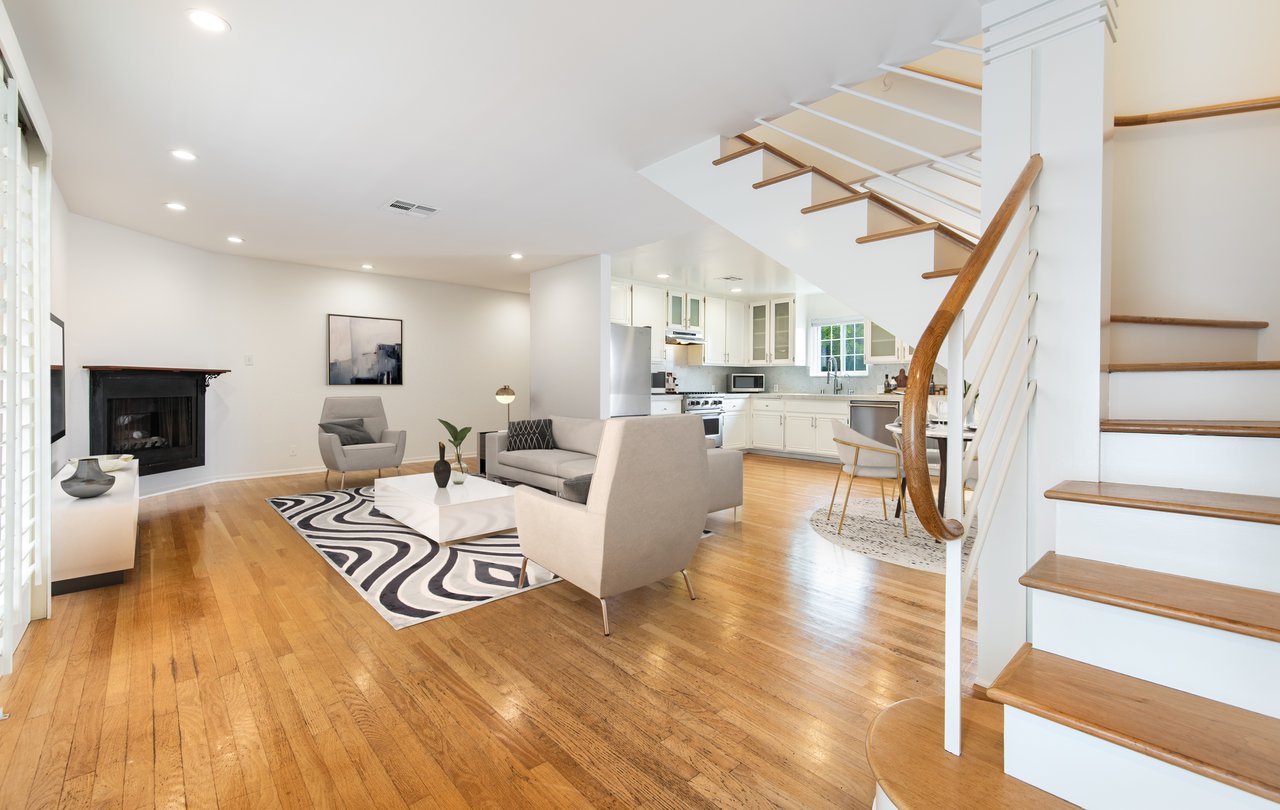
Fannie Mae's new 15% HOA reserve requirement applies by loan application date, not closing date. What condo and townhome owners need to know in the next ten weeks.

Evaluating cash flow, assessment risks, and lender guidelines to make the right move in the Los Angeles condo market.

Lender tightening, non-warrantable risks, and reserve rules—what Los Angeles condo owners must do now to protect property values.

Exceptional condos are setting records. Good condos are getting cut. The difference is how much the buyer knows.
You’ve got questions and we can’t wait to answer them.
Get in Touch With Our Team

The Condo Experts
[email protected]
(310) 494-2979
Brian Maser | CA DRE# 1340306
2525 Main St #106
Santa Monica CA 90405