What Makes a Healthy HOA?

If you’ve been following along with our recent blogs, you already know one thing: reserves aren’t the whole story when it comes to condo ownership. A building can look “safe” on paper yet drain owners with surprise assessments, while another runs lean but operates with discipline and transparency.
So, the natural question is: what does a truly healthy HOA look like?
At The Condo Experts, we’ve reviewed thousands of HOA documents and guided hundreds of clients through this exact question. The answer isn’t a single number on a balance sheet — it’s a system. And if you know what to look for, you can spot the difference between a building that supports its owners and one that slowly erodes value.
A healthy HOA manages money with balance, not extremes. Yes, reserves matter. But what’s just as important is how those reserves are funded and managed.
Money alone doesn’t make an HOA healthy. Leadership does.
When governance is strong, you feel it: decisions make sense, communication is clear, and owners trust the process.
Think of your building as a living system. Just like a car runs best with regular tune-ups, condos thrive when repairs are proactive rather than reactive.
An HOA isn’t just about numbers and repairs — it’s also about the people.
On the flip side, certain patterns almost always point to risk:
These are more than inconveniences. They can directly impact financing, resale value, and even your ability to sell when the time comes.
The truth is, most buyers (and many agents) don’t know what they’re looking at when they flip through a stack of HOA documents. And most sellers don’t realize how much a “healthy HOA” adds to their property’s value — until a deal is delayed or lost in escrow.
That’s where The Condo Experts Proven Process comes in. We don’t just glance at the numbers. We pre-package every deal by surfacing the facts, clarifying the health of the HOA, and eliminating surprises before they derail your transaction.
Because when it comes to condos, the health of your building is the health of your investment.
A healthy HOA is more than a full reserve account. It’s a combination of strong governance, financial discipline, proactive maintenance, and a community that works. Get that right, and you protect not only today’s comfort but tomorrow’s resale value.
At The Condo Experts, this is what we do every day: decode the condo system so you can move forward with confidence. We also break down HOA red flags and success stories over on our Instagram — follow along for real-world examples from LA buildings.
Why getting bank underwriting before listing protects LA condo values under Fannie Mae’s 2027 reserve and lending rules.
With Fannie Mae retiring Limited Review and raising HOA reserve rules to 15% in 2027, broker Brian Maser outlines why buildings must be vetted and standardized before … Read more

Use this step-by-step cash flow formula to compare selling, renting, and holding your Los Angeles condo—and see why HOA lending rules dictate your true market value.
How to verify warrantability under new Fannie Mae and Freddie Mac rules before escrow falls apart.
How deep HOA expertise, proactive underwriting, and sheer persistence rescued a Redondo Beach condo sale from cancellation.
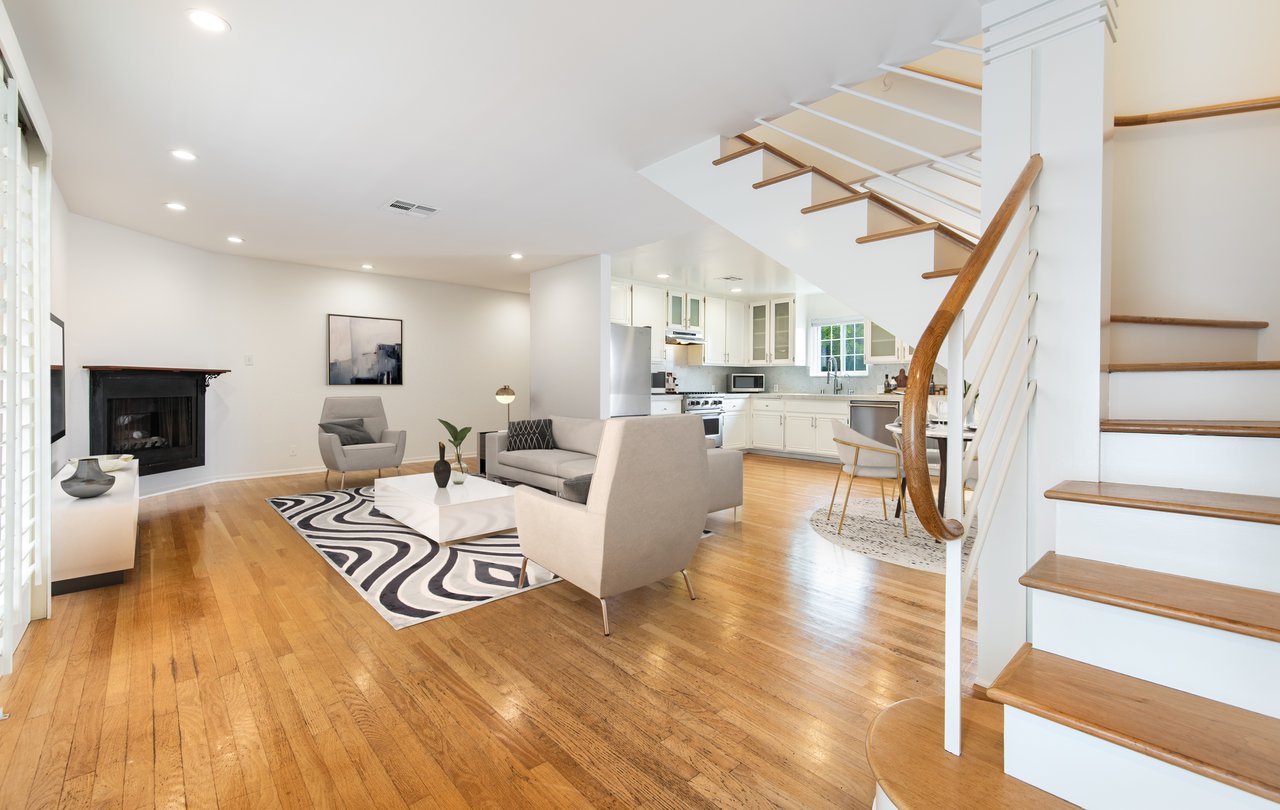
Fannie Mae's new 15% HOA reserve requirement applies by loan application date, not closing date. What condo and townhome owners need to know in the next ten weeks.

Evaluating cash flow, assessment risks, and lender guidelines to make the right move in the Los Angeles condo market.

Lender tightening, non-warrantable risks, and reserve rules—what Los Angeles condo owners must do now to protect property values.
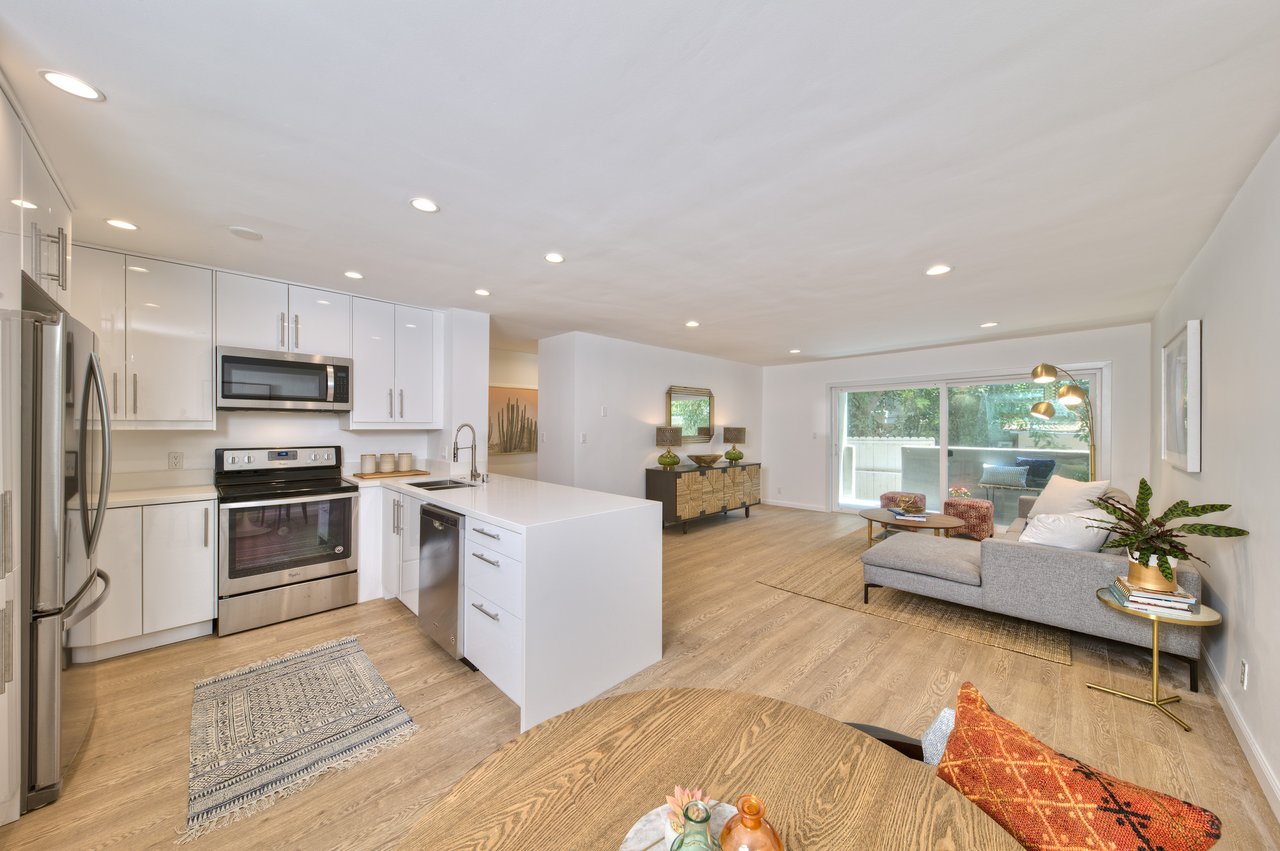
Exceptional condos are setting records. Good condos are getting cut. The difference is how much the buyer knows.
You’ve got questions and we can’t wait to answer them.
Get in Touch With Our Team

The Condo Experts
[email protected]
(310) 494-2979
Brian Maser | CA DRE# 1340306
2525 Main St #106
Santa Monica CA 90405