The Hidden Threat to Great Condos
By Brian Maser — President / Broker, The Condo Experts
We see it every week.
A beautiful condo hits the market.
It shows well, it photographs perfectly, the price feels right — and then the deal falls apart.
Not because of the buyer.
Not because of the unit.
But because the building itself isn’t ready for the lender.
Rates are finally easing, but lending rules have never been tighter.
Banks are no longer looking only at a buyer’s income or credit score — they’re looking deep into the building’s financial health.
That means unfinished balcony inspection reports (SB 326 / 721), outdated retrofit certifications, underfunded reserves, or incomplete insurance policies can stop a sale cold.
If your HOA hasn’t addressed these items, your condo may not qualify for conventional financing — even with a fully qualified buyer ready to go.
It’s one of the biggest hidden threats in today’s condo market, quietly reducing property values and derailing transactions across Los Angeles.
This isn’t theoretical. It’s happening right now:
These aren’t bad condos — they’re victims of a system that hides risk until it’s too late.
When that happens, sellers lose leverage, buyers lose confidence, and everyone loses time and money.
For decades, the standard playbook was simple: list the condo, find a buyer, and hope any issues could be sorted out during escrow.
That approach no longer works.
Today, lenders verify structural reports, reserve levels, and insurance coverage before approving a loan. Once an issue is flagged, it’s difficult — sometimes impossible — to restore momentum.
Deals slow down, renegotiations begin, and sellers watch their pricing power disappear.
In a market that’s already unpredictable, “list first and hope later” is a strategy of chance — not clarity.
To protect sellers from this new layer of risk, we built the Pre-Packaged Condo Sale™ — a proactive system that ensures every building qualifies for financing before a listing ever goes live.
Here’s what that looks like in practice:
By resolving these issues early, sellers stay in control and buyers approach the property with confidence.
Preparation creates certainty — and certainty protects value.
Learn more about how we prepare listings → Radical Clarity: Why Every Condo Owner and Buyer Needs It.
Buyers face the same risk from the opposite direction.
They fall in love with a condo, get pre-approved, make an offer — and only later discover that the building doesn’t meet lending standards.
That’s why we developed the Buyer Summary™, a four-page analysis that condenses hundreds of pages of HOA documents into clear, actionable insights.
We surface the essentials that affect financing and long-term costs:
Before writing an offer, buyers know exactly what they’re getting into — no surprises, no wasted time.
Learn why building health matters → What Makes a Healthy HOA.
Across California, aging condo buildings and new legislation are changing how lenders view risk.
SB 326 and SB 721 have introduced mandatory structural inspections, and insurance premiums for HOAs are at historic highs.
At the same time, national agencies like Fannie Mae and Freddie Mac have tightened requirements for reserve funding and documentation.
The result?
More buildings are quietly becoming “non-warrantable,” meaning they don’t qualify for standard loans.
For sellers, that can reduce buyer demand and shave tens of thousands off the sale price.
For buyers, it can mean losing access to financing or paying significantly higher rates.
The only real solution is clarity before commitment — identifying and addressing risk before it enters escrow.
Our team works directly with HOA boards, property managers, and lenders to make buildings lender-ready.
That can mean obtaining updated insurance certificates, ensuring reserve studies meet new lending standards, or verifying that structural reports are on file.
Each fix prevents future surprises and keeps the deal on track.
When every stakeholder — seller, buyer, HOA, and lender — operates from the same clear information, transactions move faster and close with less friction.
This is what a billion dollars of experience has taught us: clarity isn’t optional. It’s the asset that protects every other asset you own.
If you own a condo, don’t wait for a buyer’s lender to find the problem.
Find it first.
Fix it early.
Protect your price.
If you’re buying, don’t assume a pre-approval tells the whole story.
Get the data on the building before you write the offer.
 Request a Building Compliance Summary → See Our Zillow Sales →
No condo should lose value just because the building wasn’t ready.
Most Realtors chase sales. We chase clarity — and we’ve built a billion-dollar system to prove it.
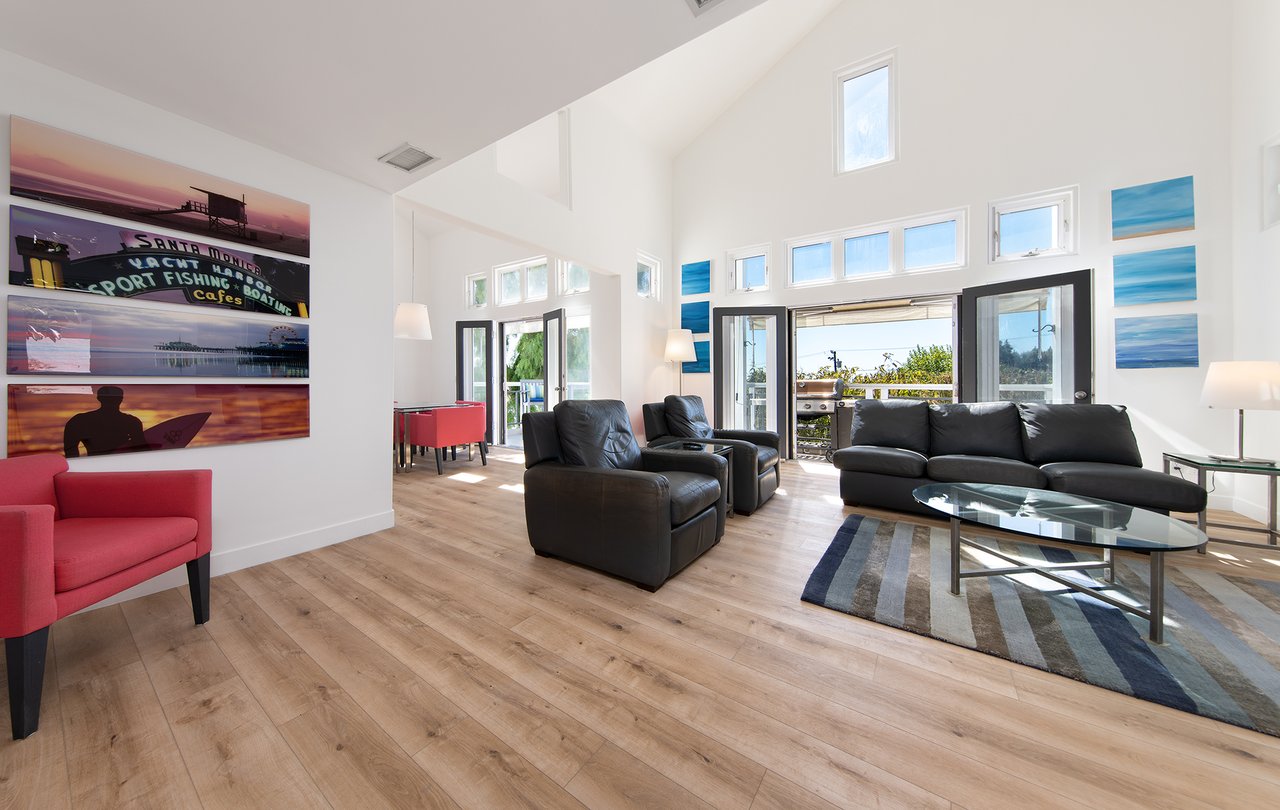
Evaluating cash flow, assessment risks, and lender guidelines to make the right move in the Los Angeles condo market.
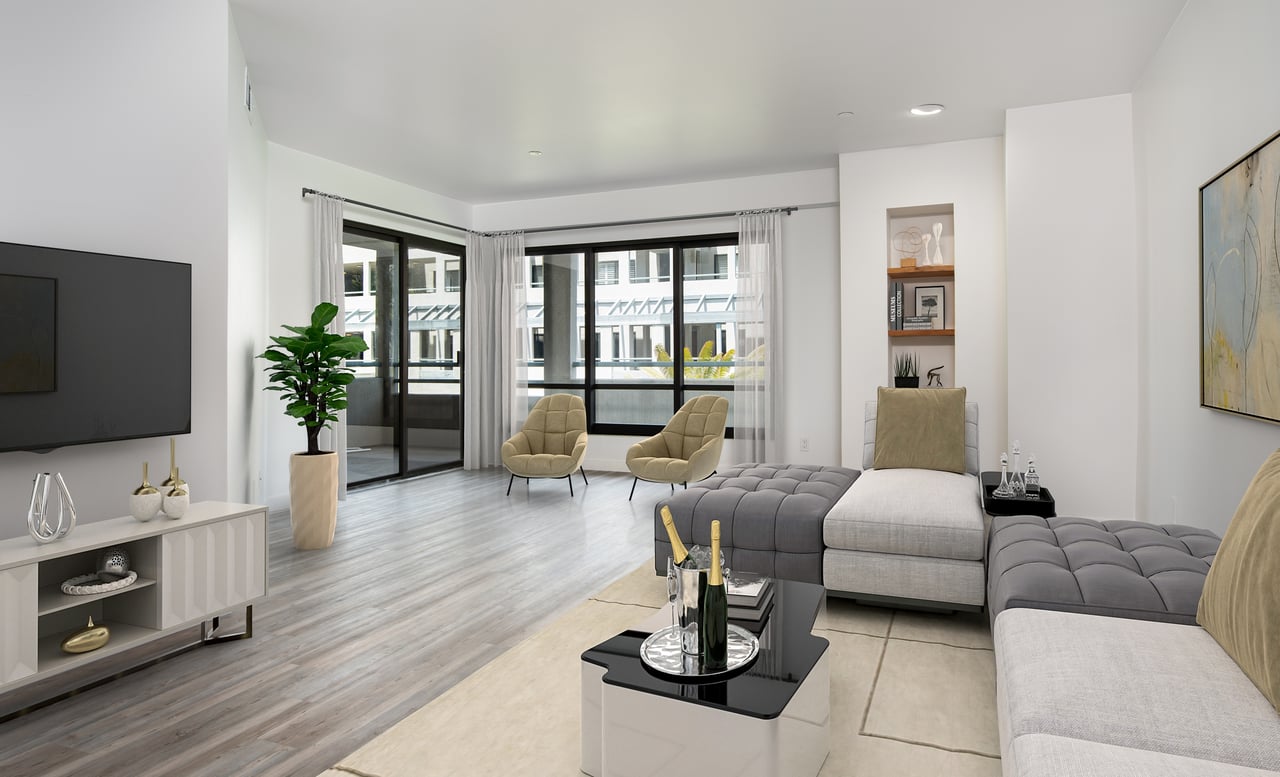
Lender tightening, non-warrantable risks, and reserve rules—what Los Angeles condo owners must do now to protect property values.
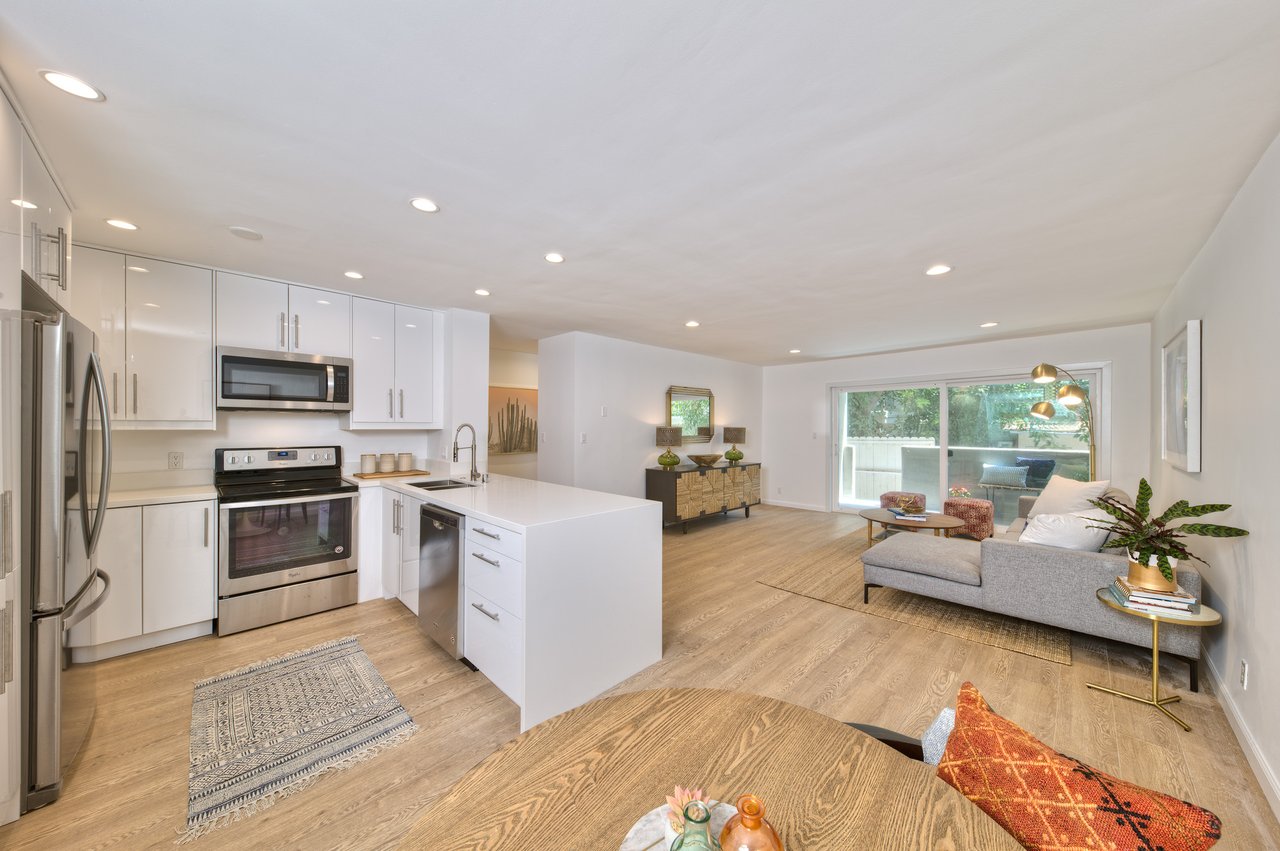
Exceptional condos are setting records. Good condos are getting cut. The difference is how much the buyer knows.
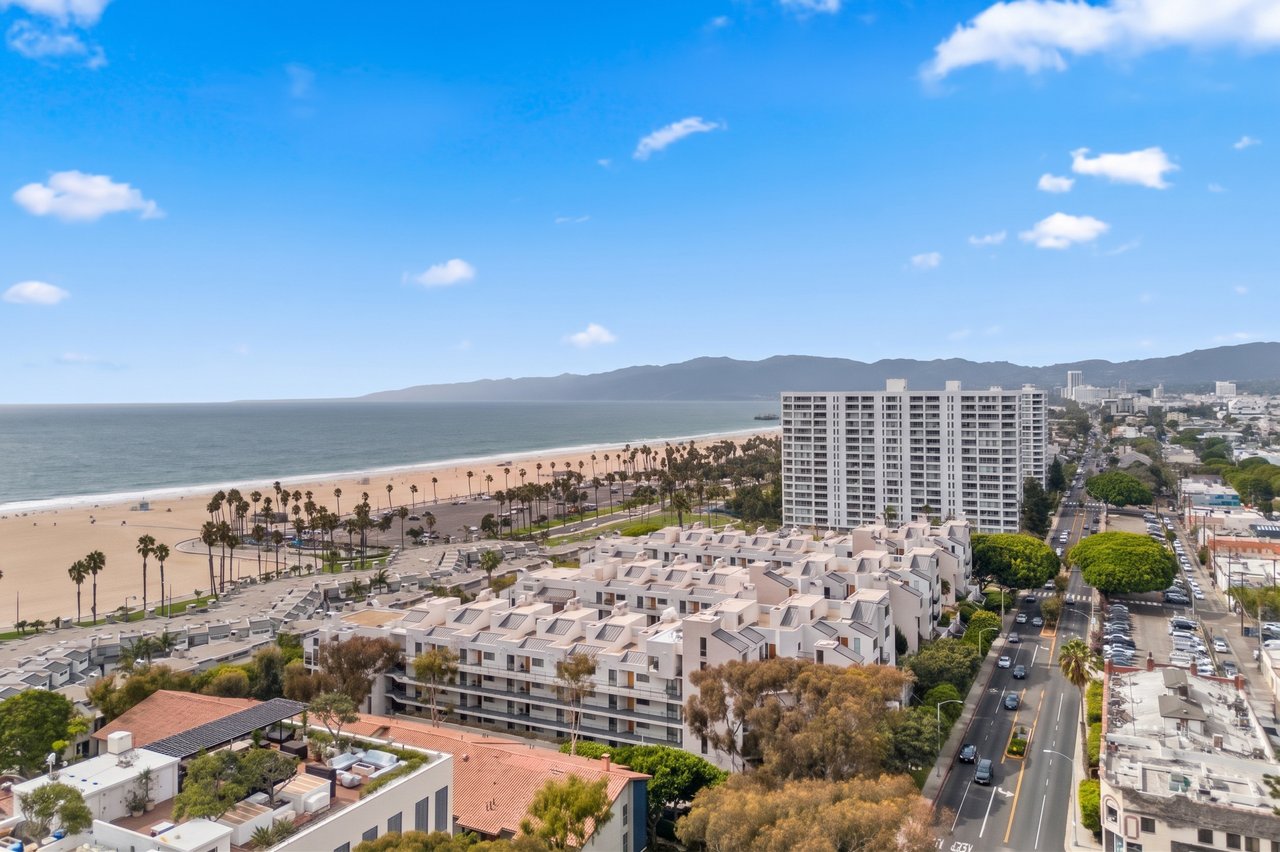
How stricter lending standards, reserve rules, and building warrantability are impacting Los Angeles condo sales and property values.
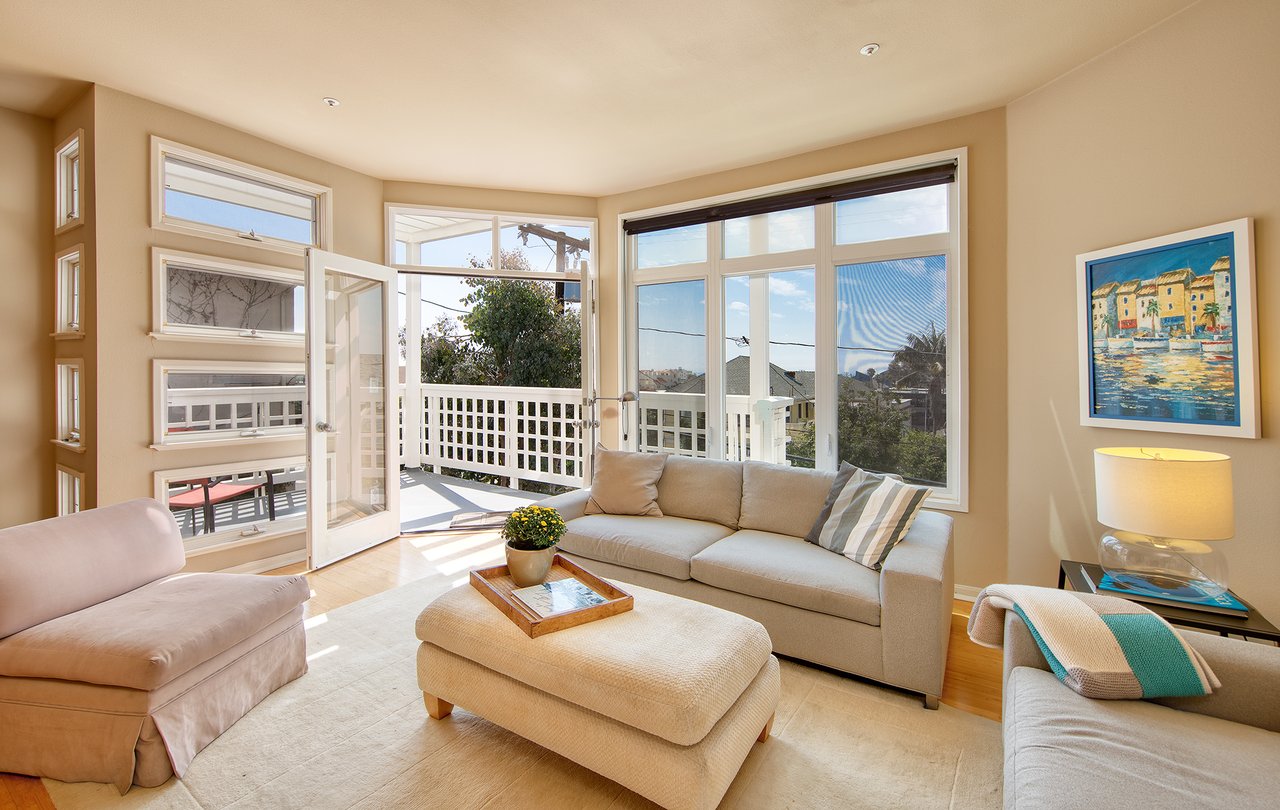
From SB-326 compliance to HOA reserve health—why building quality dictates condo values across West Hollywood right now.
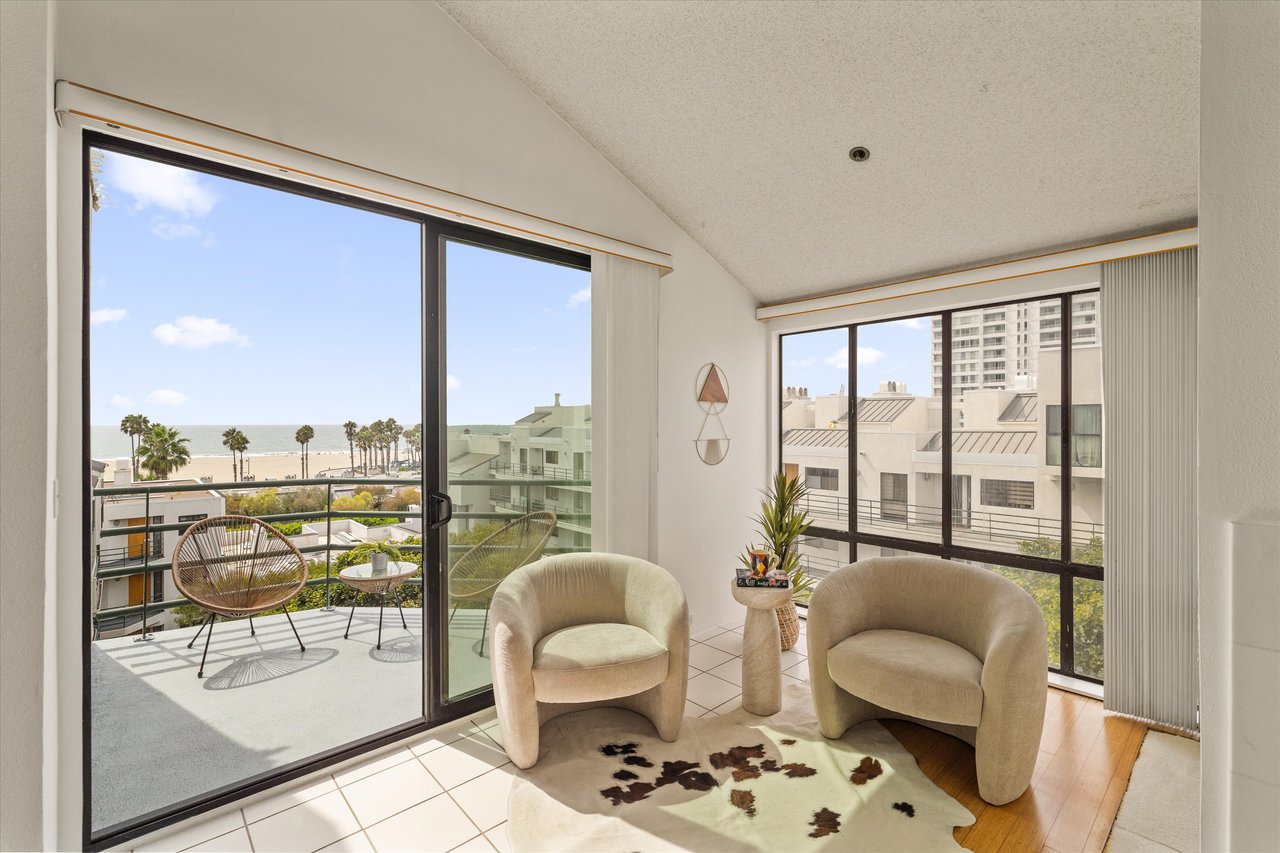
Location and finishes used to dictate condo value. In today’s market, buyer financing, HOA health, and pre-packaged preparation control the sale.
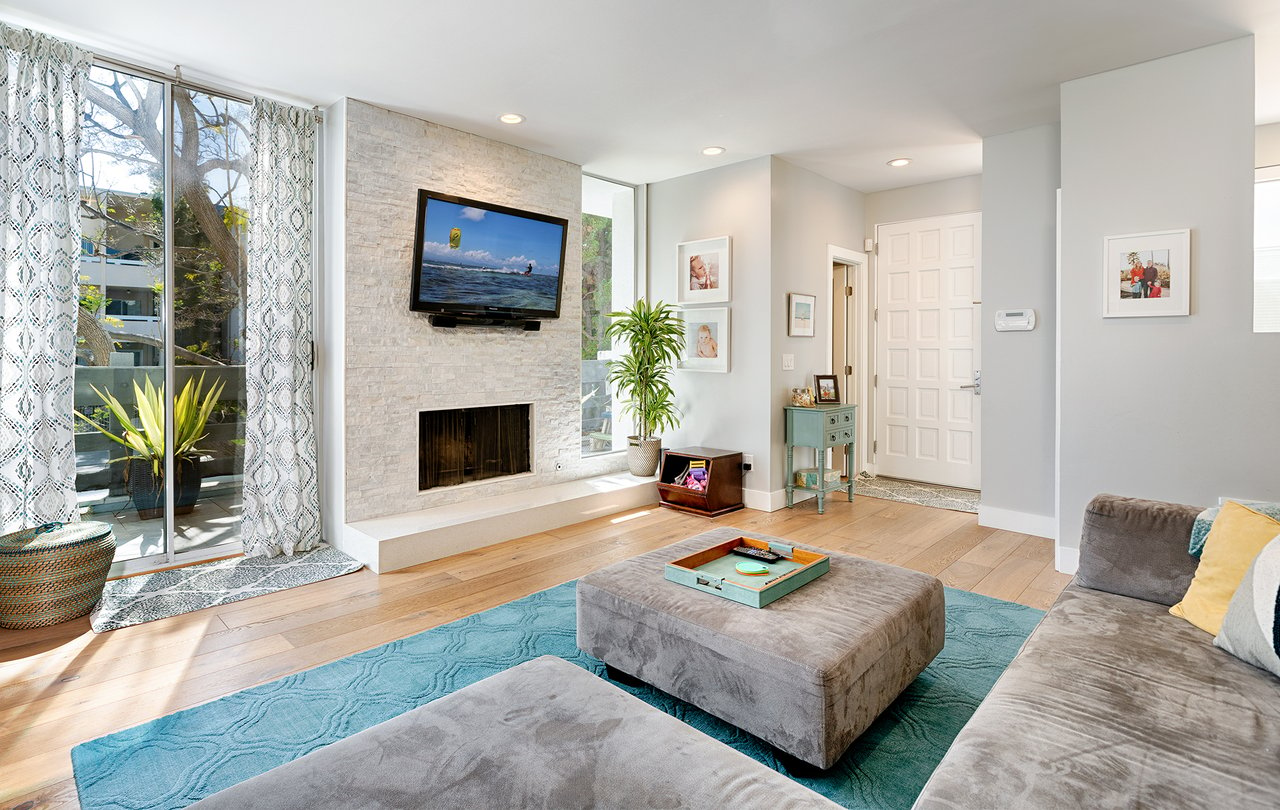
Why Traditional Real Estate Strategy Fails Condo Sellers—and How The Pre-Packaged Condo Sale™ Keeps You in Control.
For most real estate agents and brokerages across Los Angeles, condos are a side business, a handful of deals a year, alongside single-family homes, land, and everythi… Read more

From hidden HOA costs and reserve funds to neighborhood micro-markets, here is what out-of-town buyers need to know before making an offer in WeHo.
You’ve got questions and we can’t wait to answer them.
Get in Touch With Our Team

The Condo Experts
[email protected]
(310) 494-2979
Brian Maser | CA DRE# 1340306
2525 Main St #106
Santa Monica CA 90405