Not All Condos Are Valued Equally: What Buyers and Sellers Need to Know
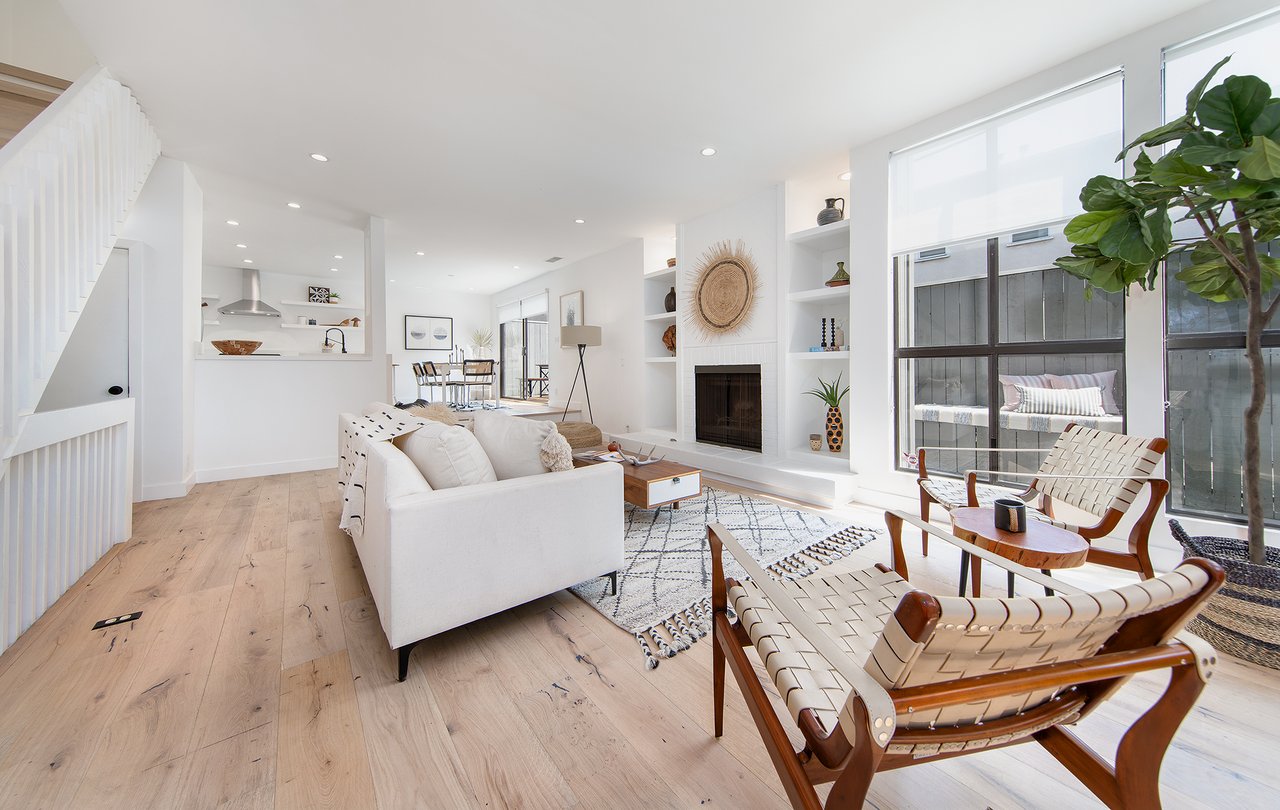
When it comes to pricing condos, most people assume it’s simple:
“My neighbor sold for $X, so mine must be worth the same.”
“This unit matches the last one in the building, so the price makes sense.”
But condos don’t work that way.
Unlike single-family homes, condo values are shaped by multiple layers:
The unit itself
The building’s financial and physical health
The surrounding neighborhood and competition nearby
That complexity is why condos are so often misunderstood — and why both buyers and sellers need expert guidance to avoid costly mistakes.
Top-floor corner with light, views, and airflow? Premium.
Middle-of-the-stack with limited light? Discounted.
Ground-floor with a patio? Attractive to some, but often appraised lower.
Renovated kitchens, bathrooms, and flooring drive demand.
An identical floor plan in outdated condition may sell far lower.
Strong HOA reserves = confidence for buyers and lenders.
Weak reserves or looming assessments = risk, delays, and even failed loans.
Deferred maintenance (plumbing, electrical, roofs, garages) drags values down.
Proactive upkeep stabilizes them.
Rental caps, pet rules, or renovation limits can directly impact buyer demand and resale potential.
Buyers aren’t only comparing units inside your building. They’re weighing nearby options, micro-neighborhoods, and competing price points.
Example: A fully renovated Brentwood condo can outcompete a dated Playa Vista unit — and vice versa.
Your value isn’t a copy-and-paste from your neighbor’s sale.
Buyers (and their lenders) weigh your unit, your building, and your HOA’s financials against every option nearby.
That’s why we pre-package every listing:
Organize all HOA docs and disclosures upfront
Highlight your unique strengths (location, renovations, views)
Address weaknesses before they become deal-killers
This creates clarity — and ensures you capture the highest price the market will deliver.
Two “identical” units can carry wildly different risks. The difference between a good deal and a costly mistake lies in the details:
HOA reserves and special assessments
The building’s maintenance history
How your unit stacks up against others nearby
That’s why we review and index every document before you commit. We surface risks early and give you the full picture, so you can move forward with confidence.
Condos aren’t interchangeable. Two neighbors with the same floor plan can end up with very different values.
For sellers, that means strategic positioning.
For buyers, it means full clarity on what’s under the surface.
Either way, the right process changes everything. That’s what we do best.
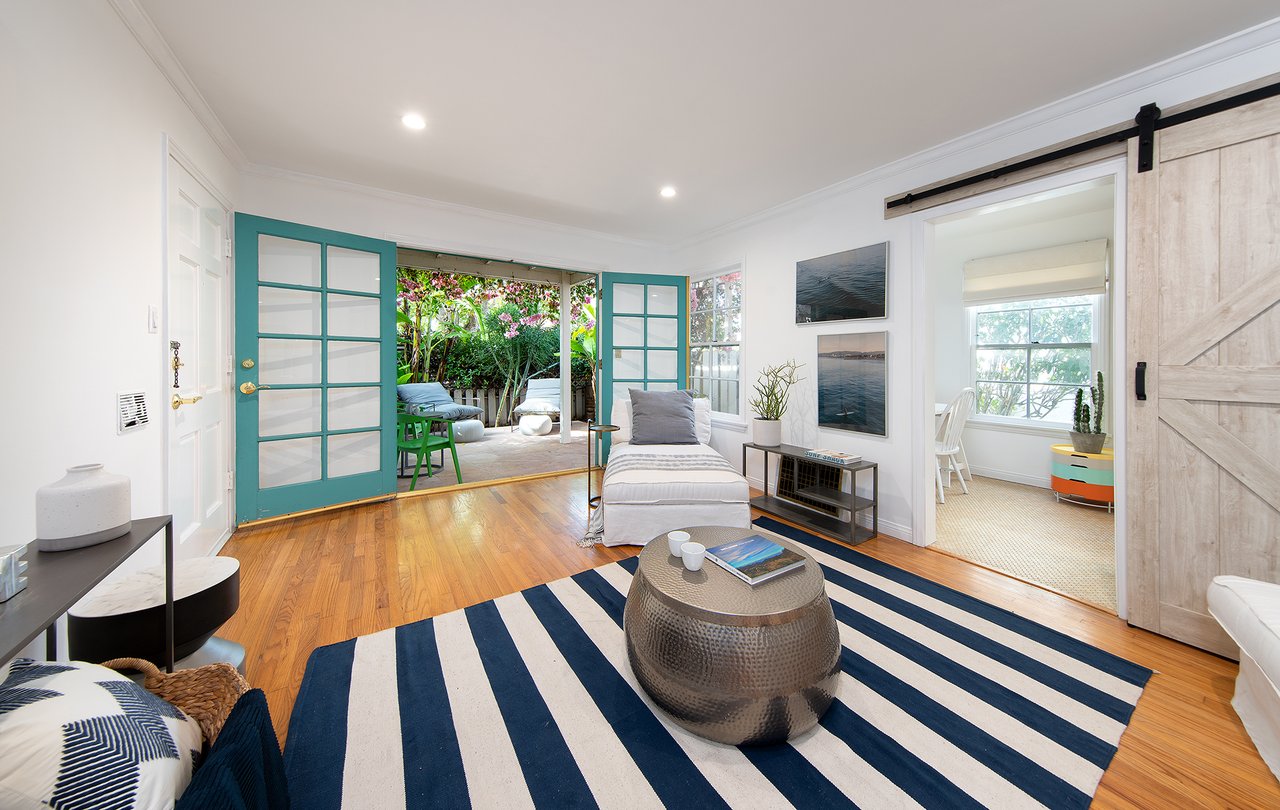
For most real estate agents and brokerages across Los Angeles, condos are a side business, a handful of deals a year, alongside single-family homes, land, and everythi… Read more

From hidden HOA costs and reserve funds to neighborhood micro-markets, here is what out-of-town buyers need to know before making an offer in WeHo.

Don't wait for a sale or refinance to discover your building is non-compliant—how proactive condo boards and owners prevent surprise $49K assessments.
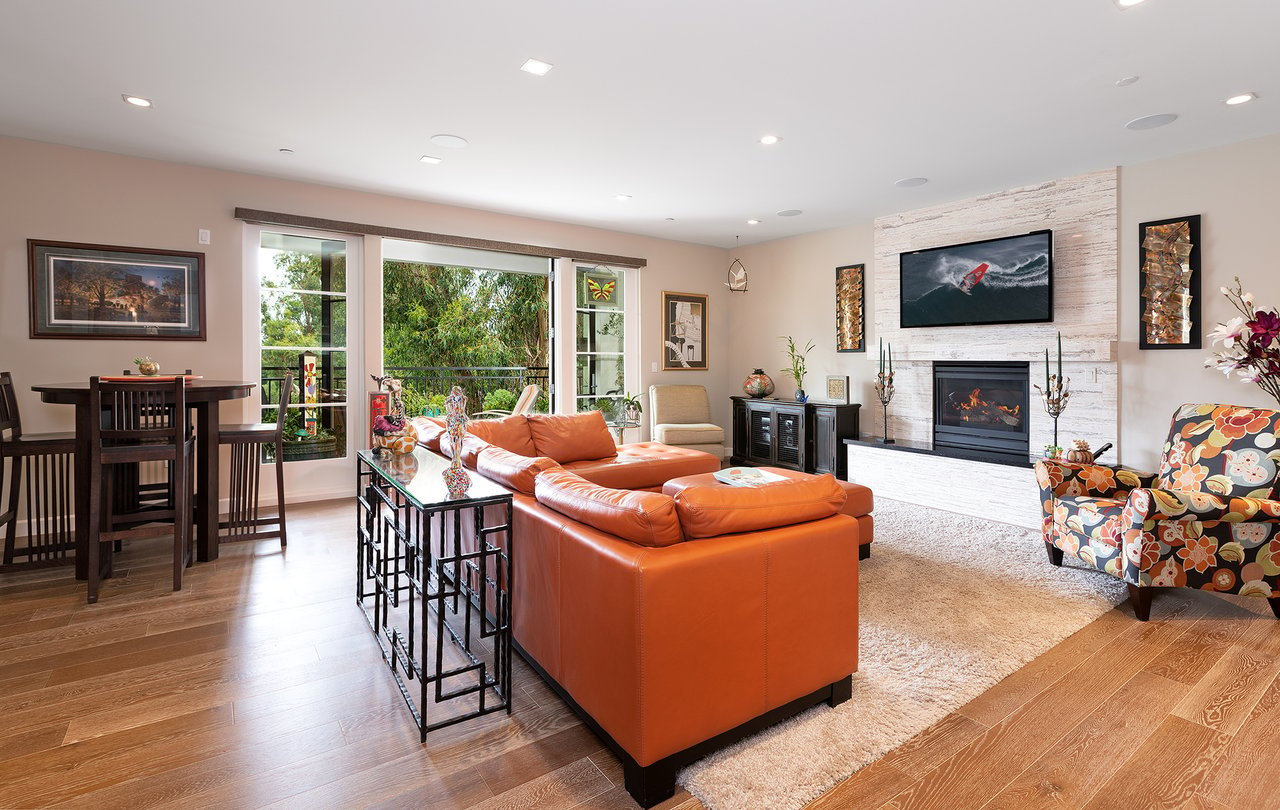
Lending shifts, rate pressures, and real market strategy—how 25 years of expertise and pre-lending reviews help your Los Angeles condo succeed.
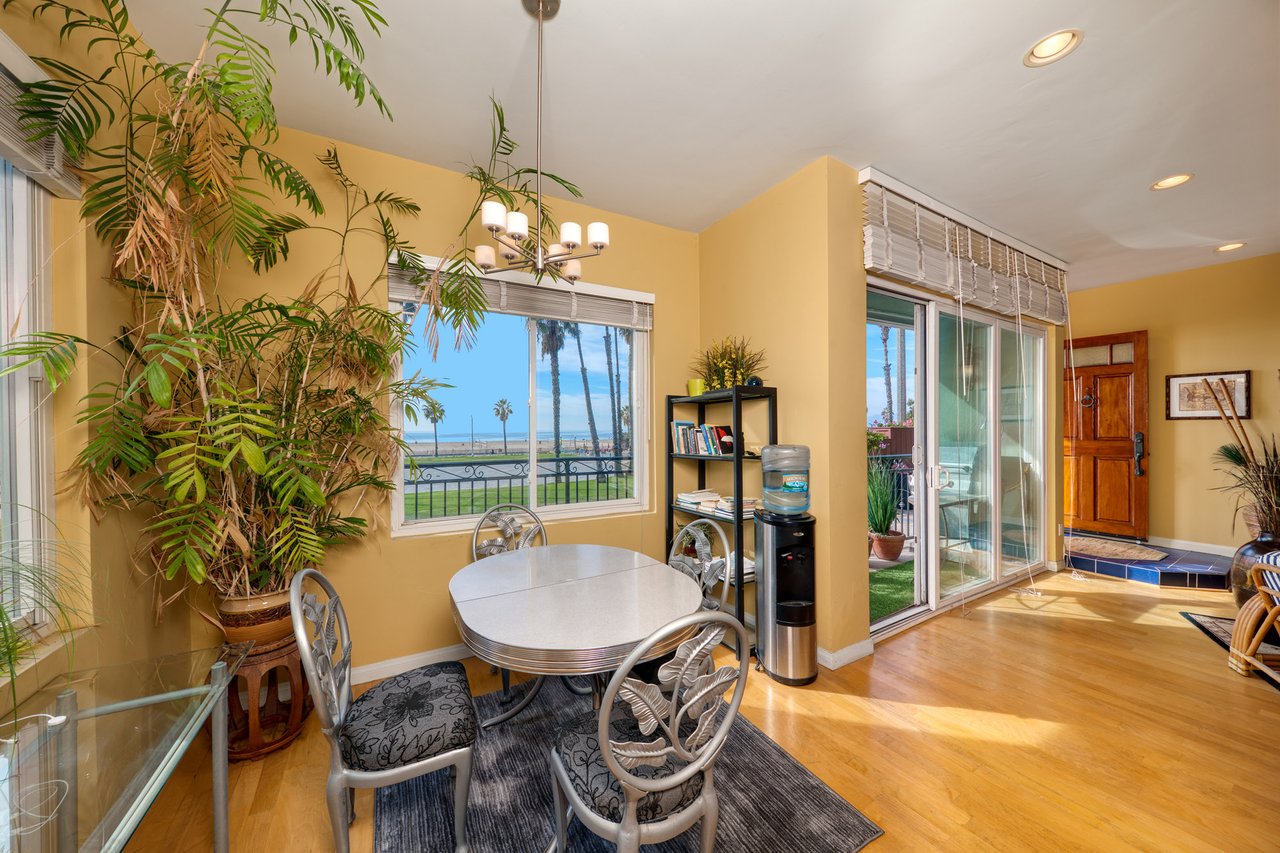
One week later, condo owners and HOA boards are seeing the new lending rules play out in real time — and the impact on financing, sales, and property values is becomin… Read more
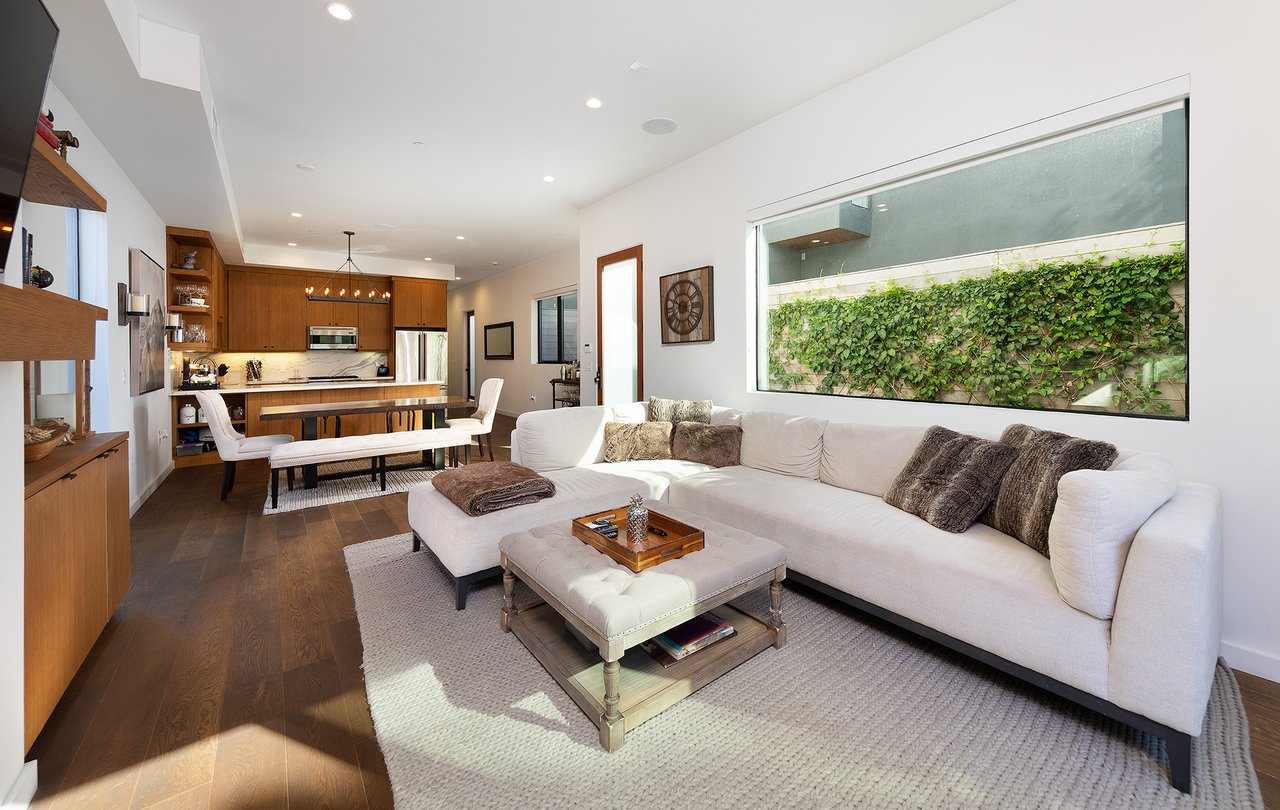
How new condo lending standards impact your property value—and how to check your building's warrantability before listing
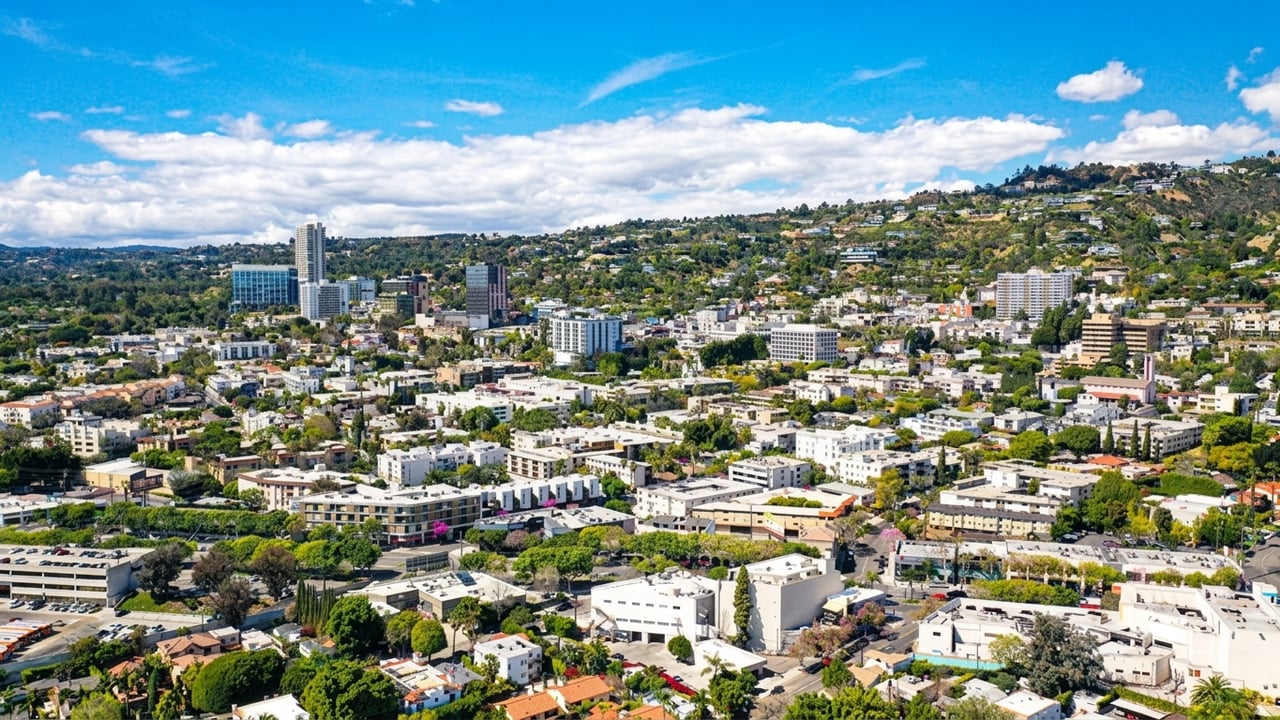
West Hollywood packs an outsized amount of personality into 1.9 square miles. If you're relocating here, chances are a condo is on your shortlist. It's one of the most… Read more
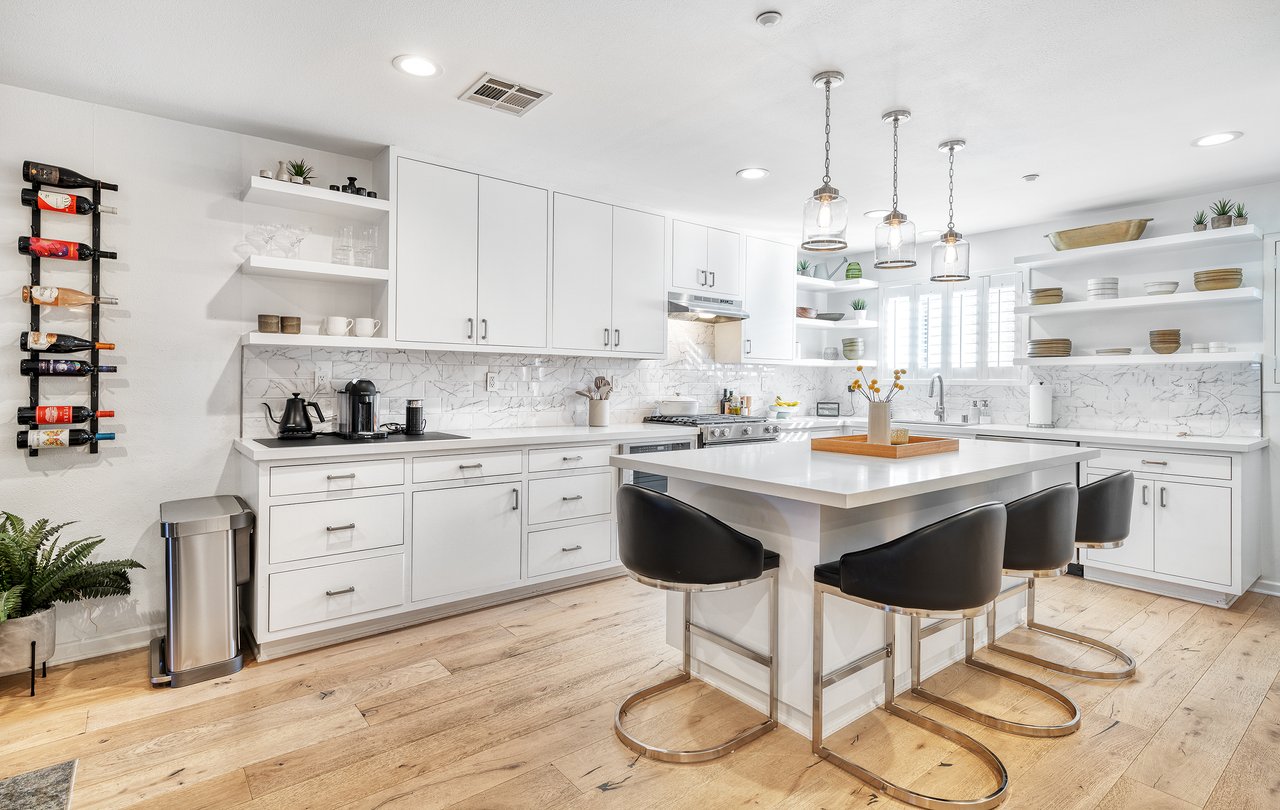
Los Angeles Condo Market Update: Westside Los Angeles, South Bay & West Hollywood
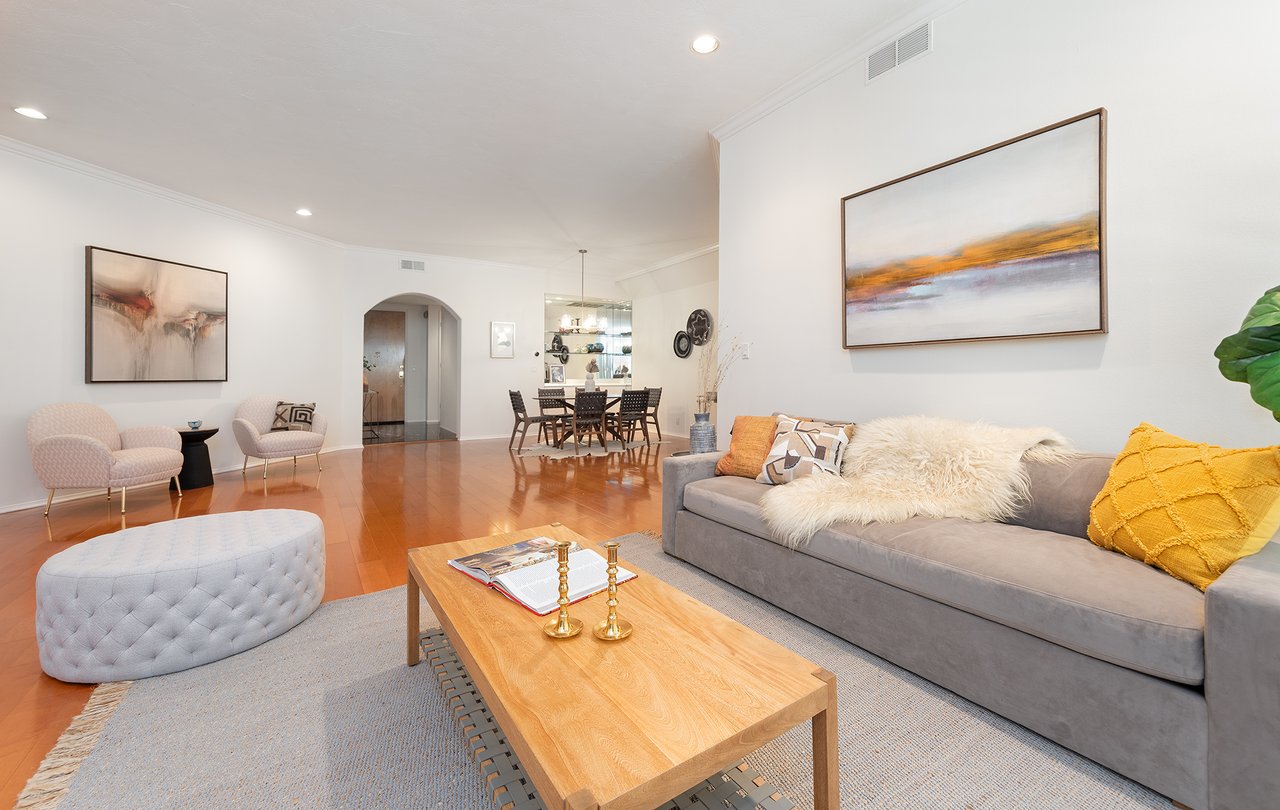
The biggest change to condo financing in a decade took effect August 3, 2026. Here's the definitive, plain-English guide — what changed, when, and exactly how it works… Read more
You’ve got questions and we can’t wait to answer them.
Get in Touch With Our Team

The Condo Experts
[email protected]
(310) 494-2979
Brian Maser | CA DRE# 1340306
2525 Main St #106
Santa Monica CA 90405